
Planetary Limits Breached: A Wake-Up Call for Earth's Future
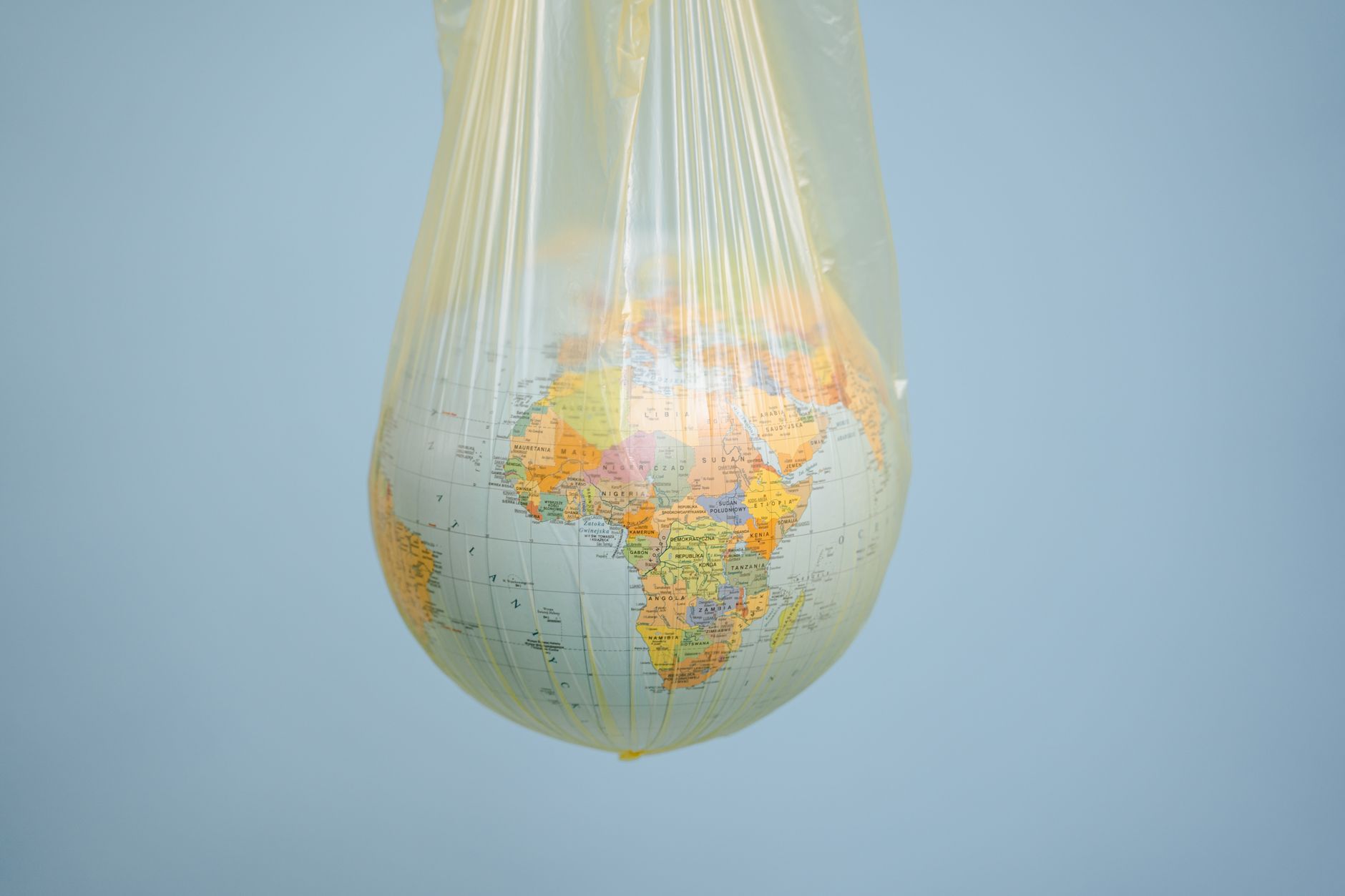
In what can only be described as a clarion call for humanity, recent scientific reports have revealed that the Earth's planetary boundaries—those invisible lines that define the safe operating space for humanity—are being breached like never before. According to researchers, seven out of nine such boundaries are now transgressed, posing serious questions about the planet’s ability to sustain life as we know it.
The concept of planetary boundaries, introduced in 2009, offers a framework for understanding the limits within which humanity can safely operate. These boundaries include critical aspects such as climate change, biodiversity loss, and the nitrogen cycle. Alarmingly, the latest assessments highlight that human activity has pushed these systems to the brink, with potentially catastrophic consequences.
The Breach: A Deep Dive
The report, spearheaded by the Planetary Boundaries Science initiative and the Potsdam Institute for Climate Impact Research (PIK), uses data from both observational studies and model simulations to paint a disconcerting picture. Pollution, habitat destruction, and unchecked industrial activity have driven the transgression of these boundaries. Particularly concerning is the state of biodiversity, with species extinction rates now thousands of times higher than natural background levels.
Johan Rockström, one of the leading scientists behind the initiative, remarked, "We are at a critical juncture. The choices we make today will determine the health of our planet for generations to come." Such statements underscore the urgency of the situation, urging policymakers and the public alike to take decisive action.
The Path Forward
There is a glimmer of hope, however. The very framework that highlights these breaches also offers pathways to rectify them. Scientists advocate for a holistic approach, integrating sustainable practices across all sectors of society. International cooperation, robust policy frameworks, and public awareness are deemed essential in reversing the damage.
As the world grapples with this planetary health check, it becomes ever clearer that the survival of countless species—including our own—depends on how swiftly and effectively we respond. The challenge is daunting, but the opportunity to maintain a thriving planet lies within our grasp, provided we act with urgency and resolve.


