Plastic Films in Agriculture: Boon or Environmental Bane?
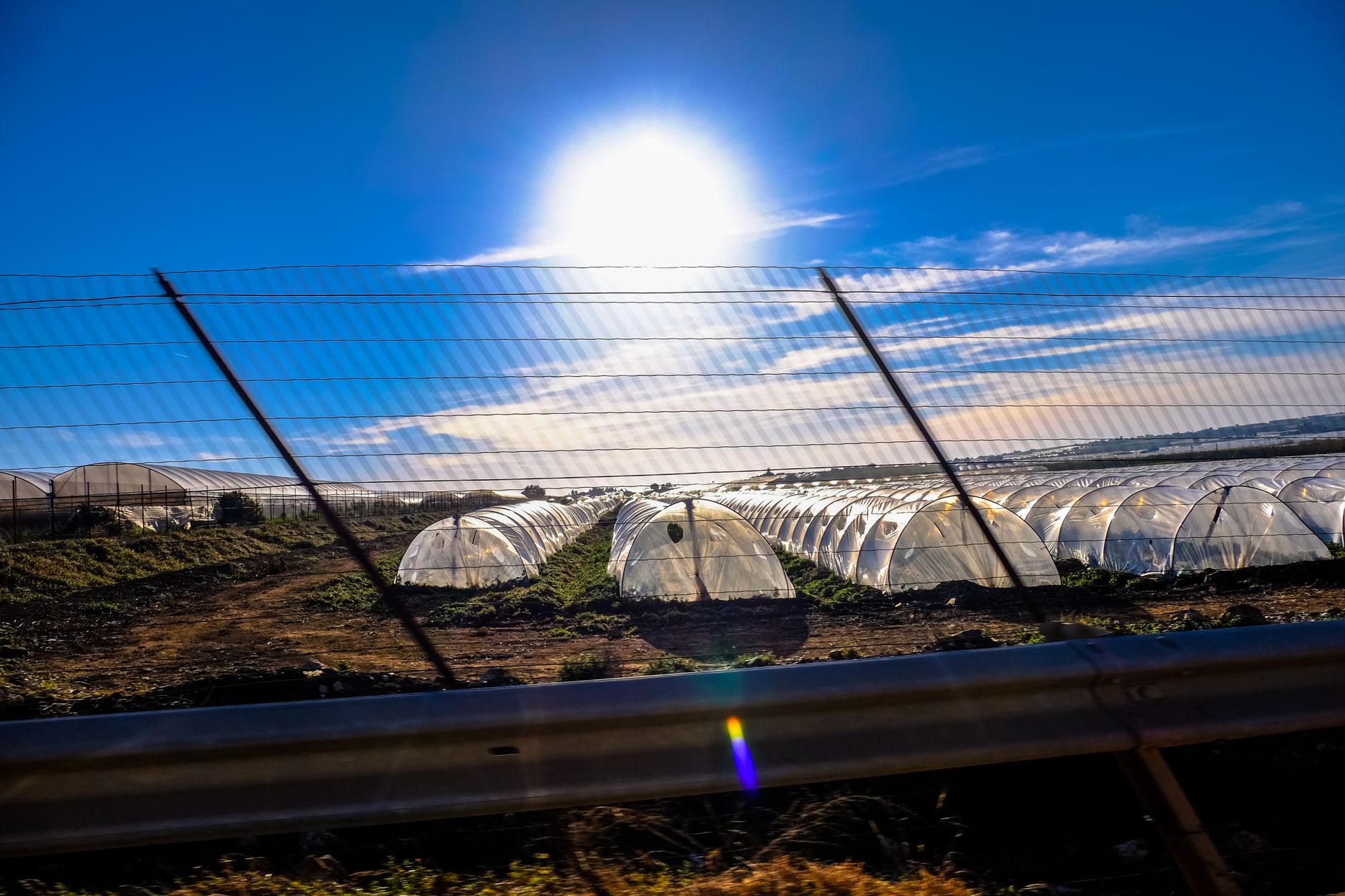
In the quiet fields of rural landscapes, a silent revolution unfolded over the past few decades. Plastic films, a seemingly innocuous innovation, have become a staple in modern agriculture. Farmers across the globe have embraced these synthetic sheets for their ability to enhance crop productivity, ushering in what many have termed a 'white revolution'.
These films, primarily used for mulching, offer myriad benefits. They help regulate soil temperature, conserve moisture, and suppress weed growth, creating an optimal environment for crops to flourish. In regions plagued by erratic weather patterns, plastic films have been a boon, safeguarding food security and livelihoods.
The Environmental Conundrum
However, the story of plastic in agriculture is not without its dark chapter. As their use proliferates, so do concerns about their environmental footprint. Once their utility wanes, these films become waste. Abandoned in fields, they fragment into microplastics, contaminating soils and potentially entering the food chain.
The implications of this are profound. Microplastics in agricultural soils can affect soil health, impacting everything from microbial activity to crop quality. Chemical additives used in the manufacturing of these films further exacerbate the issue, leaching into the environment and posing risks to ecosystems.
Searching for Sustainable Solutions
The challenge now lies in balancing the undeniable agricultural benefits of plastic films with their environmental costs. Researchers and policymakers are advocating for alternatives such as biodegradable films, which promise to break down naturally, reducing pollution.
Yet, the transition to such solutions is fraught with challenges. Biodegradable options often come at a higher cost and may not yet match the performance of traditional plastics. Moreover, shifting entrenched agricultural practices requires not just technological innovation but also economic incentives and regulatory frameworks.
As the world becomes increasingly aware of the perils of plastic pollution, the agricultural sector stands at a crossroads. The path forward demands a concerted effort to innovate sustainably, ensuring that the fields of tomorrow remain fertile and free from the blight of plastic waste.