
Plug-in Hybrids: The Environmental Mirage Exposed
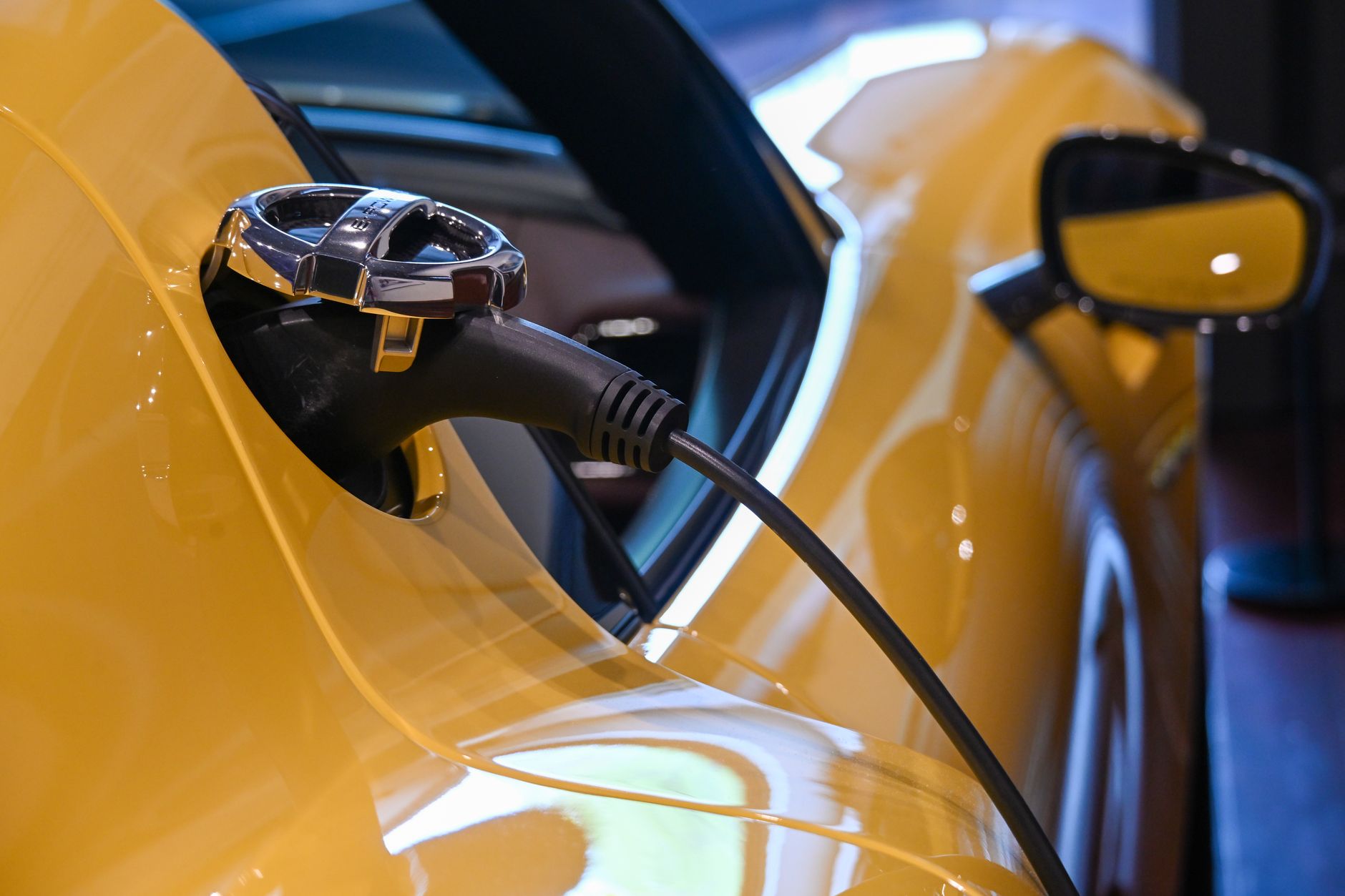
In a revelation that strikes at the heart of the green motoring revolution, new data from the European Union has laid bare the environmental impact of plug-in hybrid electric vehicles (PHEVs). Far from the eco-friendly image portrayed by manufacturers, these vehicles emit six times more carbon dioxide in real-world driving conditions compared to their official laboratory test results.
According to a comprehensive study conducted by Transport & Environment, PHEVs are releasing an average of 145g of CO₂ per kilometre on the road, a stark contrast to the mere 24g per kilometre reported in controlled test settings. This growing disparity, which has widened from a factor of 3.4 in 2021 to the current sixfold in 2024, raises significant concerns about the efficacy of current testing methodologies.
The Mirage of Green Credentials
Promoted as a cleaner alternative to traditional petrol vehicles, plug-in hybrids have been lauded for their supposed environmental benefits. However, the new findings suggest that these benefits may be more illusory than real. The additional fuel consumption not only impacts the environment but also hits consumers' pockets, costing the average driver an extra €500 (£435) annually.
This revelation has prompted calls for regulatory bodies to revisit the testing protocols that have allowed such discrepancies to persist. Critics argue that laboratory tests fail to account for the real-world dynamics of driving, where factors such as battery depletion and varied driving conditions significantly affect emissions.
Industry Accountability and Consumer Implications
The automotive industry faces increased scrutiny, with major manufacturers such as BMW, Renault, and Peugeot already under the spotlight for their PHEV emissions. The industry must now grapple with balancing consumer expectations, regulatory compliance, and genuine environmental responsibility.
For consumers, this news serves as a cautionary tale about the limitations of current green technologies and the importance of informed decision-making when purchasing vehicles. The ideal of a cleaner, greener future requires not just technological advancement but also transparency and accountability from all stakeholders.
As the world grapples with the pressing issue of climate change, the importance of accurate emissions reporting cannot be overstated. The findings from the EU study demand urgent action to close the gap between claimed and actual emissions, ensuring that the fight against environmental degradation is both sincere and effective.


