PM Modi Enlists Tech Titans to Revolutionise India's Exams
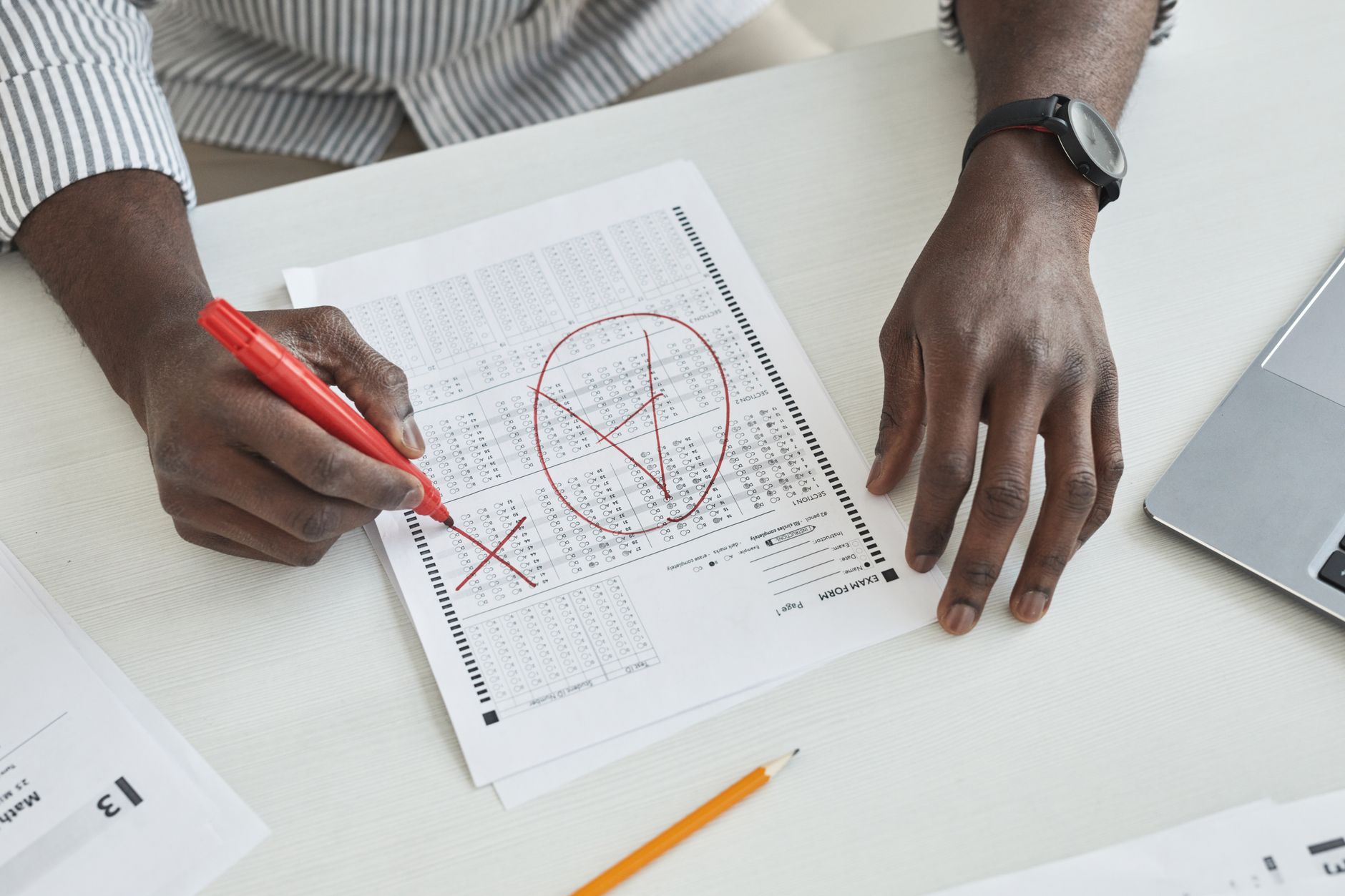
In a move that could redefine how education is assessed in India, Prime Minister Narendra Modi has appointed a high-powered task force aimed at overhauling the nation's examination system. Spearheaded by Nandan Nilekani, the tech visionary known for his work with Aadhaar, the panel includes a diverse mix of experts including ISRO Chairman S. Somanath, computer scientist V. Kamakoti, intelligence officer Tapan Deka, educationist Anita Karwal, and infrastructure specialist Amrit Lal Meena.
The objective is clear: to integrate technology into the fabric of India's educational assessments, thereby making them more equitable, transparent, and efficient. Given the current challenges posed by a system often criticised for its rote learning emphasis and high-stakes testing, this initiative comes at a pivotal moment.
The Task Force's Vision
Nilekani, renowned for his ability to marry technology with public policy, brings a wealth of experience to the table. His past success with Aadhaar, which digitised identity verification for over a billion Indians, suggests that a similar transformation could be on the cards for the examination system. The task force is expected to explore innovative solutions such as digital testing platforms, AI-driven evaluations, and real-time feedback mechanisms.
However, the challenge is monumental. India's education system is vast and varied, with millions of students sitting exams every year. The introduction of technology must navigate this complexity while ensuring accessibility for students from diverse socio-economic backgrounds.
Why This Matters
Reforming the examination system is not merely an academic exercise. It has profound implications for the future workforce of India, a nation poised to become one of the largest economies in the world. By nurturing critical thinking and problem-solving skills over rote memorisation, this initiative could equip students with the tools needed in a rapidly changing global job market.
The task force's recommendations could also influence other developing nations grappling with similar educational challenges. If successful, this model may serve as a blueprint for modernising education systems worldwide.
In an era where technology is rapidly reshaping industries, the Indian government's willingness to trust tech experts with educational reform is a testament to its forward-looking vision. As the task force begins its work, the nation watches with bated breath, hopeful for a future where exams measure true learning rather than mere memory.