PoK's Political Paradox: Islamabad's Influence and Abandonment
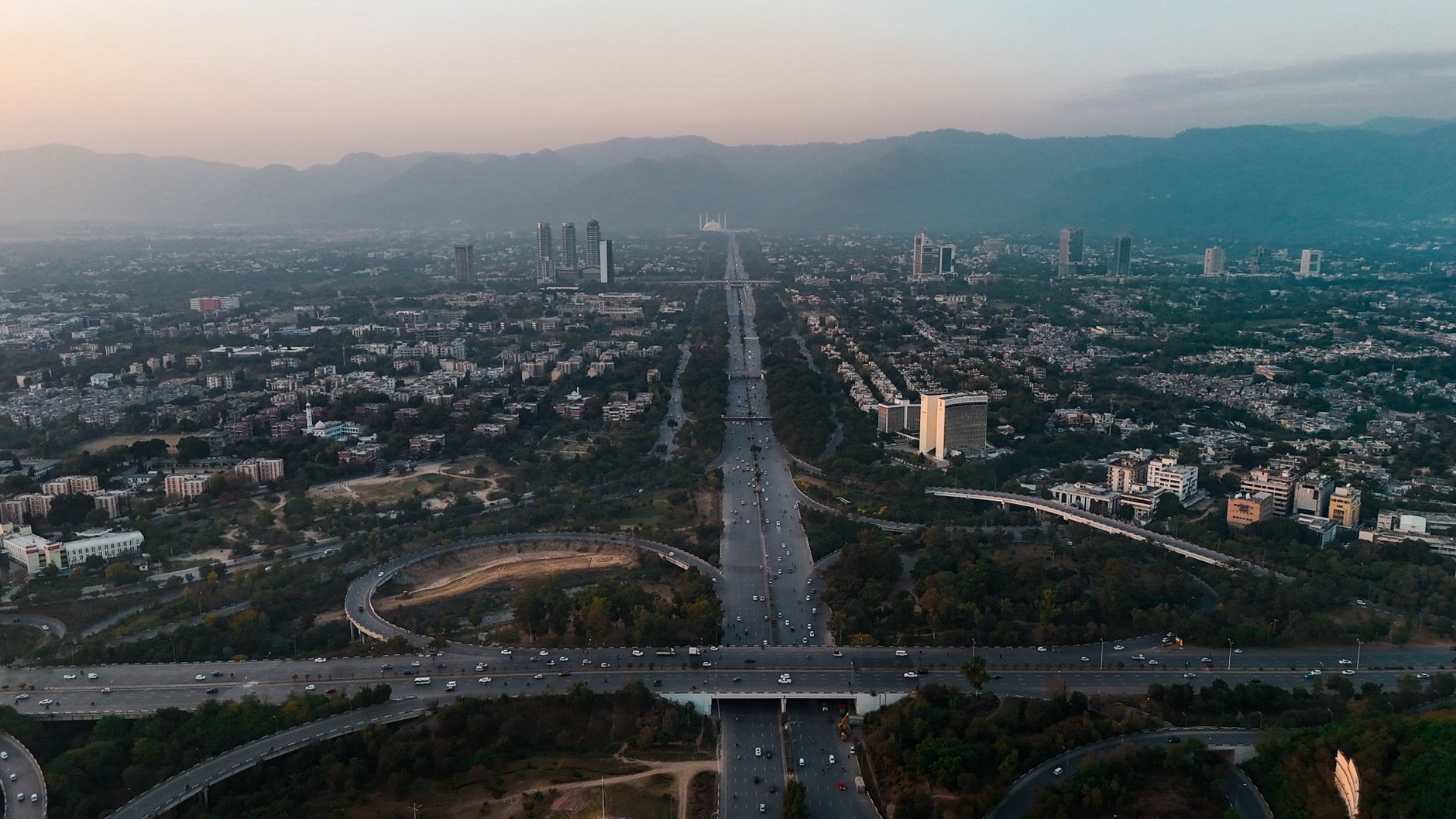
In the shadow of the Himalayas, Pakistan-occupied Kashmir (PoK) stands as a stark reminder of political promises unfulfilled. The region, historically marked by its strategic significance and natural beauty, now finds itself entangled in a web of Islamabad's political machinations. Despite the veneer of democratic processes, the reality on the ground tells a different story.
Recent reports have laid bare the contradictions at the heart of PoK's political arrangement. Ostensibly under Islamabad's wing for development and security, the region remains one of the most underdeveloped within Pakistan's ambit. The appointment of Iftikhar Gilani as the Prime Minister of PoK, amid a backdrop of protests, has only served to underline the frustrations simmering beneath the surface.
Observers note that PoK's political system is a peculiar dance of controlled participation and ideological exclusion. While the façade of elections suggests democratic engagement, the reality is one of heavy-handed control from Islamabad. This centralisation of power has, critics argue, stifled local governance, rendering it little more than a puppet of the central authority.
Promises of Progress, Reality of Stagnation
For decades, Islamabad has promised progress and prosperity for PoK. Yet, the region's infrastructure and socio-economic indicators tell a tale of neglect. Roads remain potholed, health services are inadequate, and educational facilities lag far behind national standards. This stark disparity is often attributed to Islamabad's focus on political control rather than genuine development efforts.
Gilani's appointment has not quelled the unrest. Instead, it has sparked new rounds of protests from those who see his leadership as another chapter in a long history of imposed governance. Many in PoK argue for true autonomy, hoping to break free from the shackles of Islamabad's influence. They yearn for a system that reflects their aspirations rather than serving distant political ambitions.
The Way Forward
While the future remains uncertain, the calls for change are growing louder. Analysts suggest that genuine progress in PoK requires a shift towards decentralised governance, allowing local leaders to address the region's specific needs. Without such changes, PoK risks remaining a pawn in Islamabad's political game, its potential perpetually stifled.
The story of PoK is one of paradox and potential, a region caught between the promises of prosperity and the reality of political control. As protests continue, the path forward will require careful navigation of these complex dynamics, balancing power and autonomy to create a future that truly benefits its people.