Political Promises and Protests: The Complexities of Withdrawing FIRs

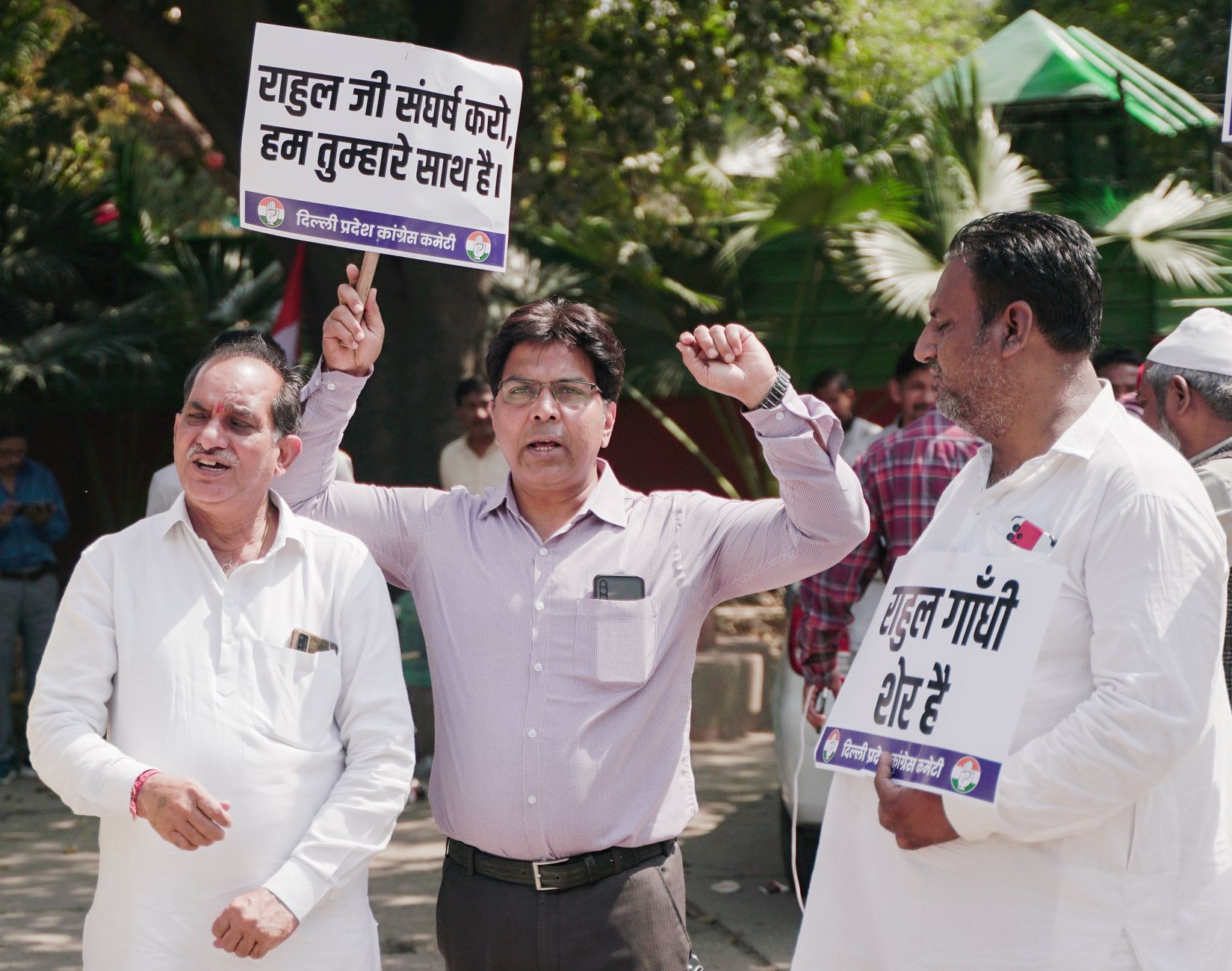
In the unfolding drama of Indian politics, the Modi government's promise to withdraw FIRs against agitating youth has become the latest chapter in the complex relationship between political assurances and legal procedures. The protests, initially sparked by allegations of paper leaks and administrative negligence, saw the youth taking to the streets demanding accountability and justice.
The Cockroach Janta Party (CJP), representing the interests of the young protesters, has played its hand skilfully, leveraging the political landscape to secure assurances from two ministerial emissaries. The promise, however, is not without its complications. Legally speaking, an FIR, once filed, is a matter of judicial record, and its withdrawal is not as straightforward as a mere political pledge.
Indeed, the Modi government's assurances have quelled immediate unrest, but the legal machinery moves to its own beat. Although political pressure can influence the withdrawal of cases, the process involves navigating a labyrinth of legal stipulations. Withdrawal from prosecution occurs only after a case reaches the court. Until then, an FIR remains a document of intent, a preliminary step in the judicial process.
The Political Implications
The government's eagerness to pacify the youth is understandable. Young voters are a formidable force, and their discontent can ripple through the political fabric. The CJP has astutely warned that any failure to honour the promise would be 'completely unacceptable'. With a Tuesday deadline looming, the stakes are high. If the FIRs are not withdrawn, the CJP has threatened to mobilise further protests, underscoring the volatile nature of youth movements in India.
Moreover, the promise to withdraw FIRs raises broader questions about the nature of political promises in a democracy. Can a verbal assurance by government emissaries suffice in the face of legal formalities? The answer remains complex, dependent on the interplay between political will and judicial independence.
A Test of Governance
This episode serves as a litmus test for the Modi government's approach to governance. Balancing the demands of political expediency with the sanctity of legal processes is no small feat. As the situation unfolds, it reflects the broader challenges faced by democracies worldwide: the need to respect legal frameworks while addressing the immediate concerns of the populace.
Ultimately, the resolution of this issue may set a precedent for how similar situations are handled in the future. For now, the youth of India, backed by the CJP, remain vigilant, watching closely as the government navigates this intricate dance between politics and law.