Political Storm Brews Over Ram Mandir Trust CEO Appointment
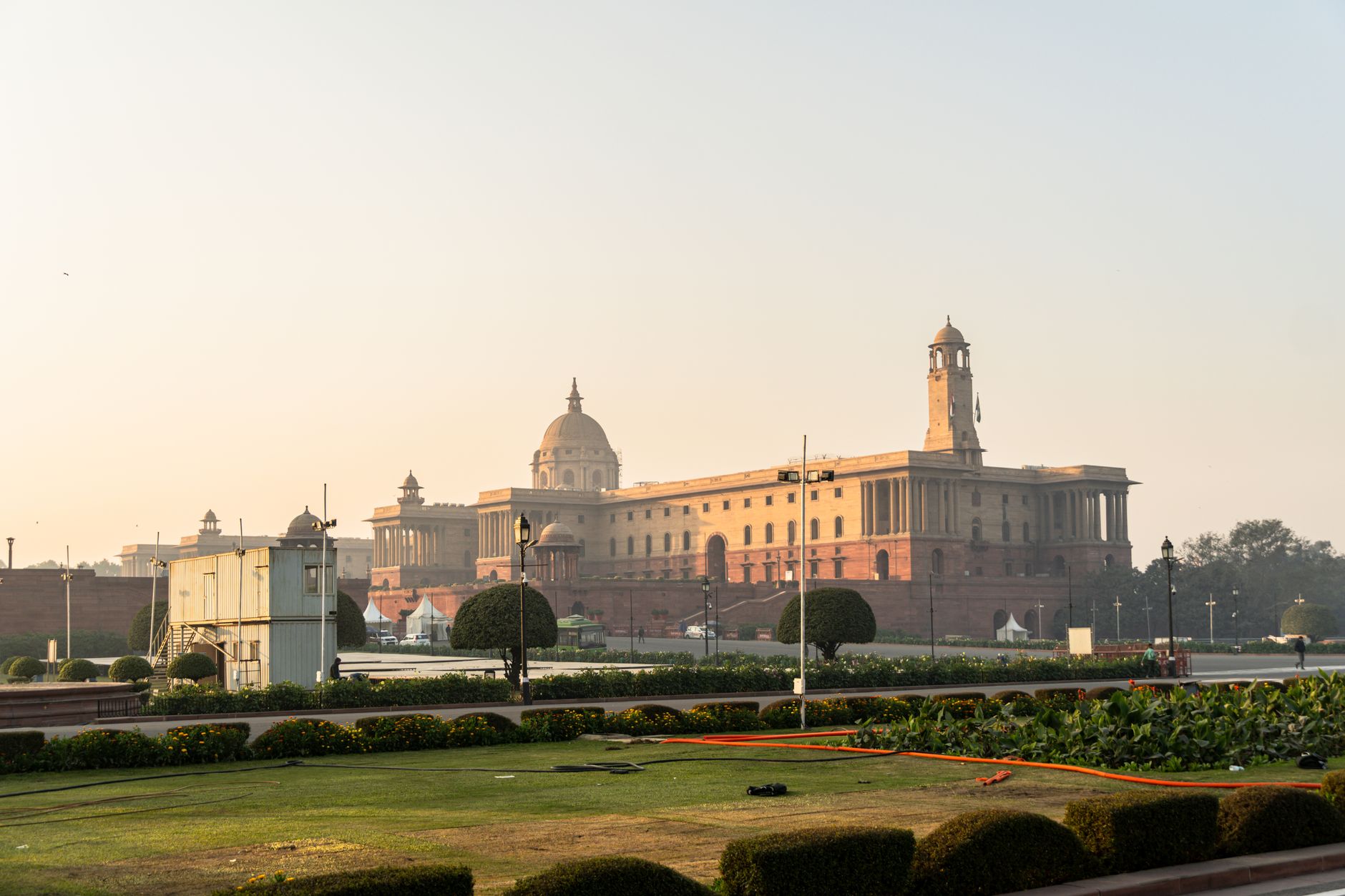
The appointment of the new Chief Executive Officer of the Ram Mandir Trust has become the latest flashpoint in India's fraught political landscape. As the announcement was made, a chorus of voices from political parties and public figures erupted, each seeking to assert their position on the matter.
At the heart of this controversy is the selection process itself. Critics argue that the appointment lacks transparency, with accusations of political influence overshadowing the decision. The trust, responsible for overseeing the construction and management of the highly anticipated Ram Temple in Ayodhya, holds significant cultural and religious importance, making its leadership a matter of national interest.
Several opposition leaders have called for greater clarity, suggesting that the process should be more open to scrutiny. They argue that the role should be filled based on merit and expertise rather than political affiliations or pressures. This sentiment is echoed by some religious groups who also question the motivations behind the choice.
Rising Tensions
The ruling party, for its part, has defended the selection, emphasising the credentials and dedication of the appointee. A spokesperson stated that the new CEO's experience in managing large-scale projects is precisely what the trust requires at this critical juncture. Nevertheless, the timing of the appointment, amid other political manoeuvrings and upcoming elections, has led to speculation about deeper strategic calculations.
This appointment is more than just an administrative decision; it is a reflection of the ever-complex interplay between religion and politics in India. The Ram Temple has long been a symbol of Hindu resurgence and political mobilisation, and its administration is watched keenly by millions.
Implications for the Future
As the debate continues, the appointment has also rekindled discussions about the role of religious institutions in political affairs. Observers note that the outcome may set a precedent for how such appointments are handled in the future, potentially influencing the governance of other religious sites across the country.
Ultimately, while the dust is far from settled, this incident underscores the delicate balance required in managing religious affairs in a diverse and pluralistic society. The path forward will likely demand careful navigation, with the potential to impact both political fortunes and religious harmony in the coming months.