Pradhan Criticises Misleading Tactics Amid Gen Z Protests
In a move that has stirred the political pot in Odisha, former Union Education Minister Dharmendra Pradhan has lashed out against those he claims have 'misled' Generation Z during protests over the National Eligibility cum Entrance Test (NEET). Speaking at an event on Saturday, Pradhan, who recently resigned from his position, emphasised that his decision to step down was guided by a desire to prioritise the aspirations of India's youth over personal prestige.
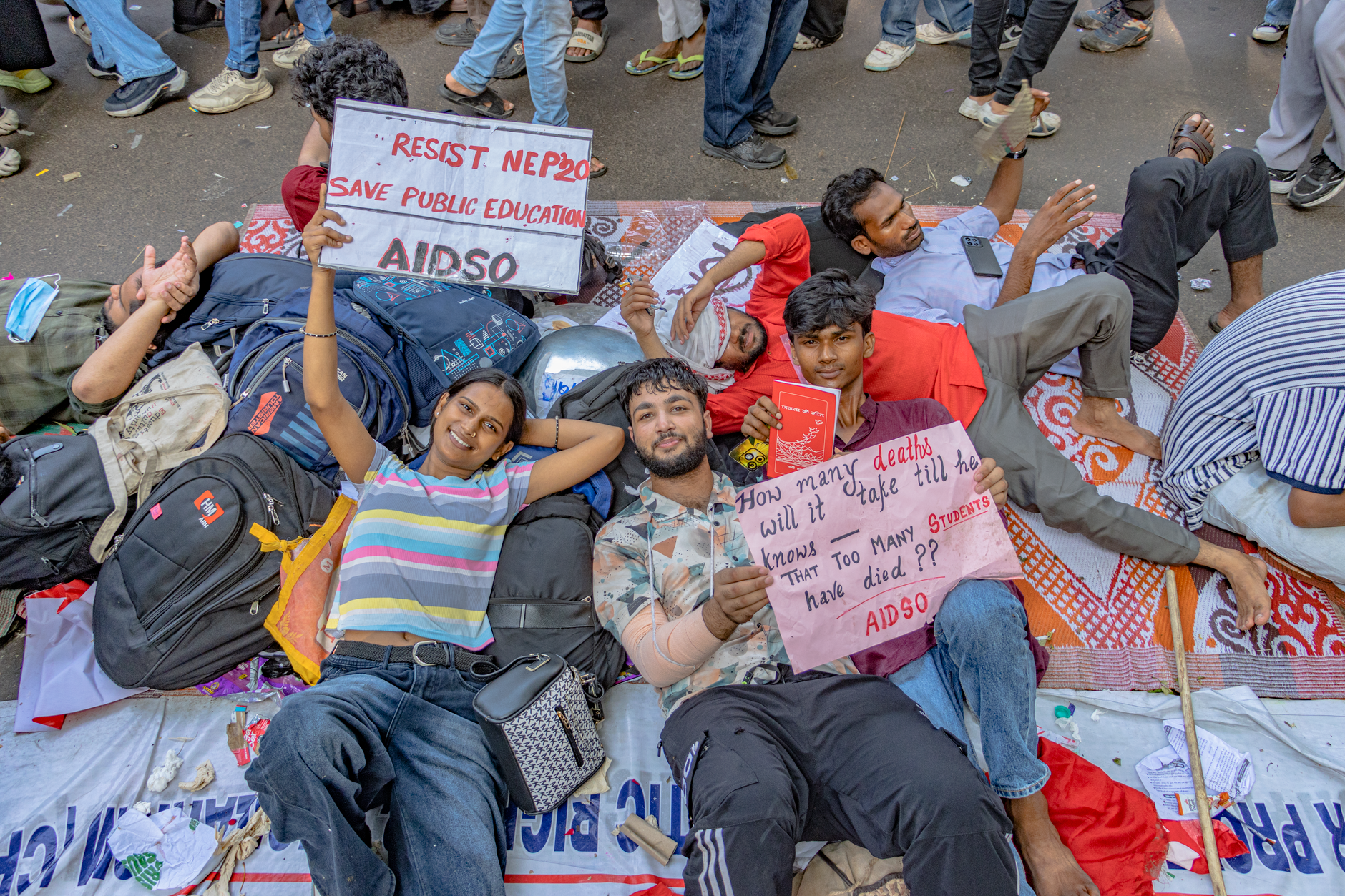
Pradhan's resignation came amid a wave of demonstrations led by young Indians, frustrated over alleged irregularities in the NEET examination process. The minister noted, 'Gen Z is our children. Some people attempted to mislead them.' His comments have since triggered a sharp response from the Biju Janata Dal (BJD), escalating the political discord in his home state.
A Political Chess Game
The former minister's departure from office appears to be anything but a quiet retreat. Instead, it has become a flashpoint in the local political arena. The BJD, quick to seize on Pradhan's statements, has rebutted his claims, suggesting that the real issue lies within the governance of the education system itself. The party argues that the youth's discontent is genuine and rooted in systemic failures rather than external manipulation.
Meanwhile, Pradhan has maintained that his resignation was a strategic choice, made after consultations with Prime Minister Narendra Modi. He asserted that the ministerial role was never a matter of personal glory, reiterating his commitment to the welfare of young Indians.
Implications for the Future
This episode underscores the volatile nature of education politics in India, where examinations often serve as a battleground for broader socio-political issues. As the dust begins to settle on this particular episode, it remains clear that the dialogue around education reform in India is far from over. For Gen Z, the controversy has highlighted their increasing willingness to challenge the status quo, demanding transparency and fairness in educational assessments.
As the nation watches the unfolding drama, it is evident that the next steps of both the government and the aggrieved students will be crucial in shaping the future discourse on education in India.