Preparing for the Deluge: Lessons from Kabir and Dampa Sangye
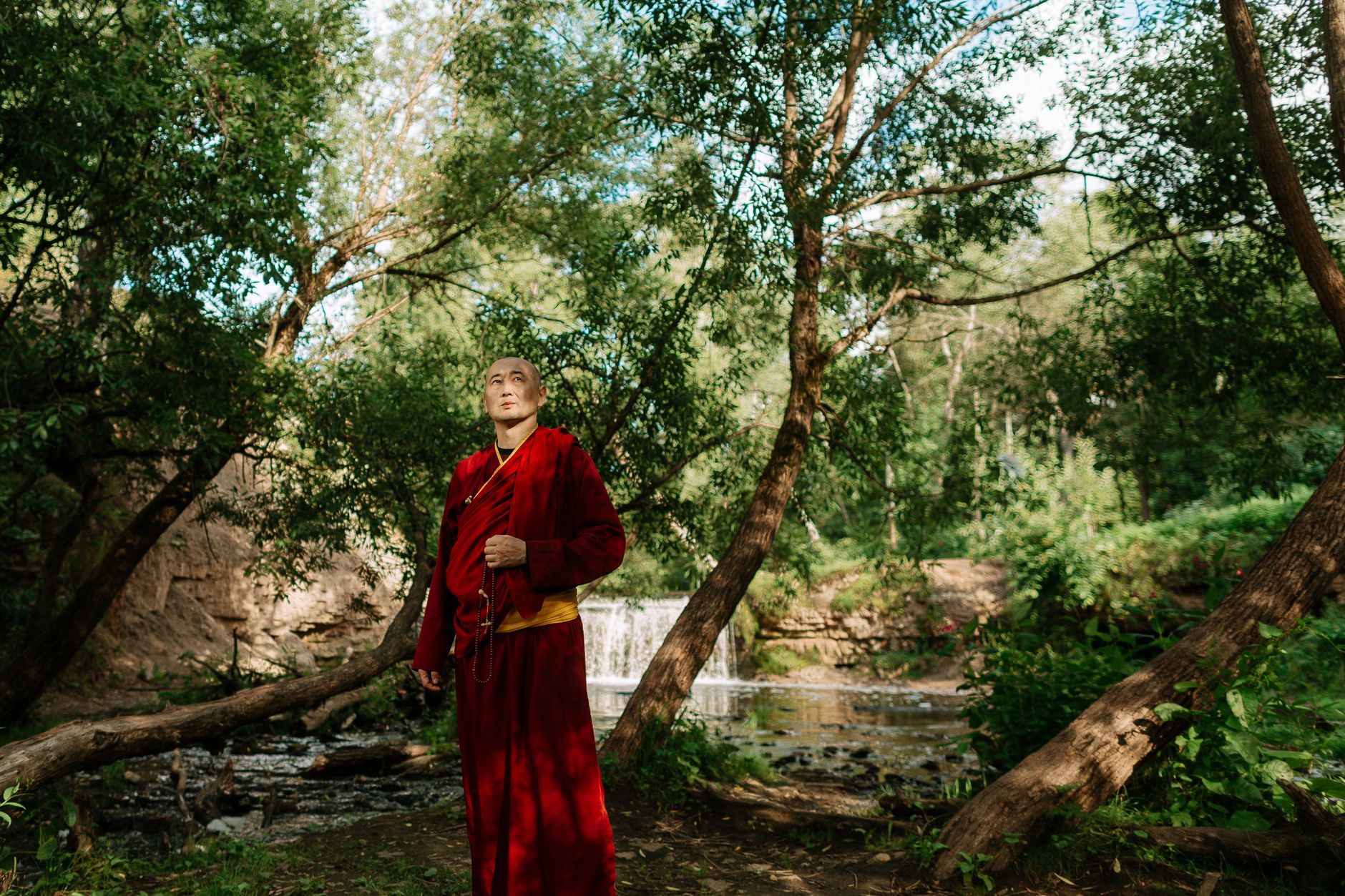
As the planet faces unprecedented environmental challenges, ancient wisdom resonates with increasing urgency. The teachings of Kabir, the 15th-century Indian mystic poet, and Dampa Sangye, a 12th-century Tibetan monk, provide profound insights that transcend time and geography.
Kabir's 'Saakhi', a staple of Indian literature, emphasises the power of gentle speech and humility. In today's world, where words often escalate into conflict, Kabir's counsel for 'meethi vaani' or sweet speech serves as a reminder of the transformative power of language.
The Metaphor of the Boat
Dampa Sangye's poignant metaphor, asking whether one has prepared a boat for the river of life's inevitable trials—birth, sickness, aging, and death—compels us to ponder our readiness for both existential and ecological upheavals. His teachings highlight the importance of introspection and preparedness, not just for personal salvation but for the collective good.
In an era when climate change threatens to drown cities and disrupt lives, the allegorical 'boat' becomes more than a spiritual vessel; it signifies our need to build resilience against environmental crises. Whether it's rising sea levels, erratic weather patterns, or biodiversity loss, the question remains: Have we prepared ourselves?
Lessons for the Modern Age
The convergence of these teachings illustrates a timeless truth: true preparedness involves both internal readiness and external action. While Kabir's focus on the personal—speech and humility—reminds us of the power of individual transformation, Sangye's broader existential query urges us to consider our actions in the face of global challenges.
This blend of personal and collective wisdom is particularly relevant as we navigate the complexities of modern life. As students explore these teachings through CBSE's curriculum, they are not merely learning about historical figures but engaging with ideas that challenge them to think critically about their role in the world.
In conclusion, the teachings of Kabir and Dampa Sangye invite us to reflect on our preparedness—not just for life's inevitable challenges but for the environmental crises we face today. In doing so, they remind us that wisdom transcends time, offering guidance as we navigate the turbulent waters of the 21st century.