President Murmu Advocates for Education Equity in Universities
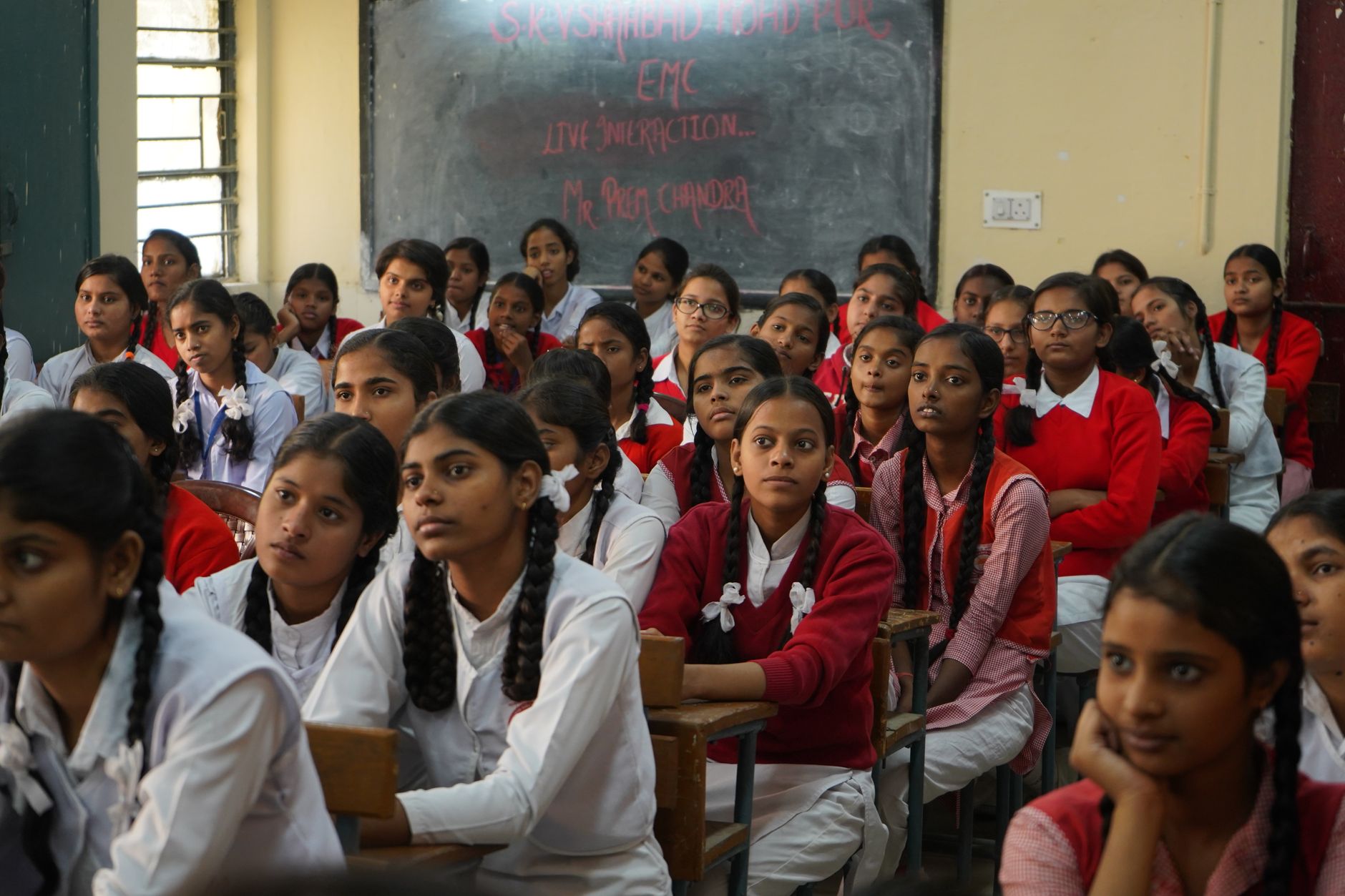
In a stirring address that resonated with urgency and optimism, President Droupadi Murmu made a compelling case for prioritising the education of girls and tribal students across Indian universities. Her remarks, delivered at a recent educational gathering, underscored education as the bedrock of character building, social transformation, and nation-building.
Drawing attention to the existing educational disparities, President Murmu lauded the efforts made by certain institutions to bolster the enrolment of students from tribal communities, economically weaker sections, and those with disabilities. She highlighted the striking statistics from a university where out of 1500 students, 950 were girls and 161 hailed from tribal backgrounds.
"The achievements of women in higher education are monumental," she asserted, noting that of the 90 PhD holders, 50 were women, and among the 34 gold medallists, 21 were female students. Such figures, she argued, exemplify the potential harboured by women and underscore the need for sustained focus on their educational advancement.
The Role of Education in Nation-Building
President Murmu emphasised the transformative power of education in nation-building and the upliftment of marginalised communities. She urged universities to cultivate an environment that fosters innovation, scientific temper, and cultural pride. "Education is not merely an academic pursuit," she reflected, "but a vehicle for social change and empowerment."
Her call to action resonates particularly in the context of India's burgeoning role in the global knowledge economy. By investing in education for its most disadvantaged citizens, India is poised to unlock untapped potential and drive inclusive growth.
Furthermore, President Murmu encouraged students to blend tradition with modernity, advocating for a balanced approach to progress that honours cultural heritage while embracing contemporary advancements. Her message was clear: education should serve as a bridge between the past and the future, equipping students to become the leaders of tomorrow.