President Ruto's Bold Move Against Tata Chemicals: The Magadi Saga
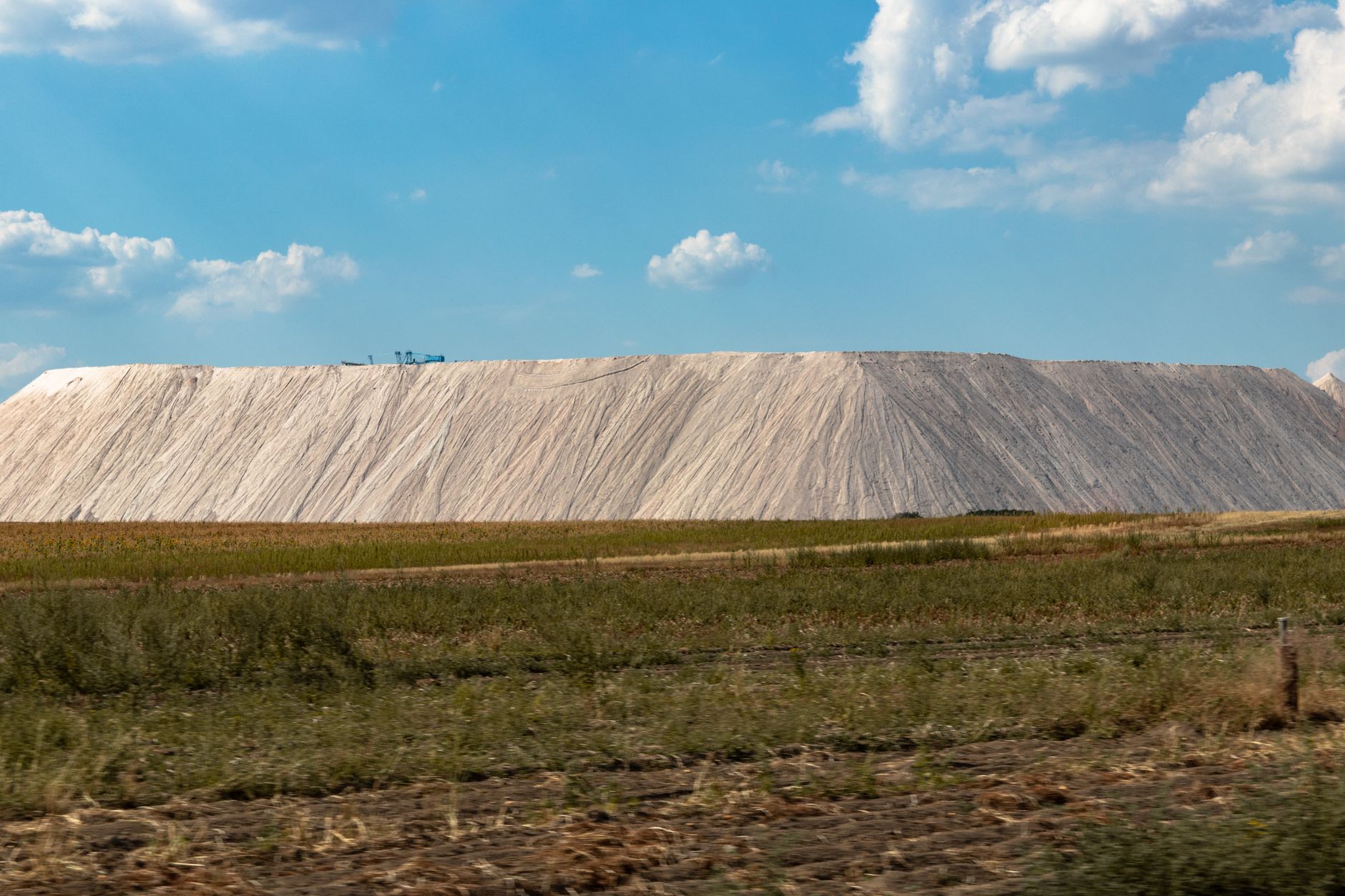
In the heart of Africa, where the sun-drenched plains meet the shimmering waters of Lake Magadi, a corporate drama of significant proportions is unfolding. President William Ruto of Kenya has taken the audacious step of ordering Tata Chemicals to cease its operations, citing a failure to deliver substantial economic benefits to the region.
This move comes after a protracted dispute over the extraction of soda ash—an essential ingredient in glass and detergent production—by Tata Chemicals Magadi Limited (TCML) in Kajiado County. The company, a subsidiary of the Indian conglomerate Tata Group, has been a fixture in the area for decades, employing thousands and contributing to local infrastructure.
However, President Ruto's administration argues that the benefits are disproportionately skewed in favour of the company, with little trickling down to the local community. The government's order marks an escalation from previous tensions, where operations were briefly suspended in July over compliance issues.
Compliance or Controversy?
Tata Chemicals, for its part, has maintained that it is in full compliance with all regulatory requirements and has consistently invested in community development projects. In a statement, the company expressed its commitment to the welfare of its employees and assured that their well-being remains a priority, even as it awaits further government review of its submissions.
Critics argue that the government's actions could deter foreign investment, which is crucial for Kenya's economic growth. Yet, proponents of the decision suggest it is a necessary step to ensure that the country’s natural resources benefit its people first and foremost.
The Human Factor
The decision has inevitably raised concerns about the future of the employees. TCML has been a significant employer in the region, and its potential exit could have far-reaching implications for the local economy. The company's assurance regarding employee welfare has not quelled fears entirely, with many workers uncertain about their future post-2026.
This saga, while specific to Kenya and Tata Chemicals, resonates with broader global themes of resource nationalism and the balance between foreign investment and local benefits. As both sides brace for what seems to be a prolonged negotiation, the world watches closely, aware that the outcome could set a precedent for similar disputes elsewhere.