Pune's Liquor Ban Sparks Political Row Amid Ganpati Celebrations
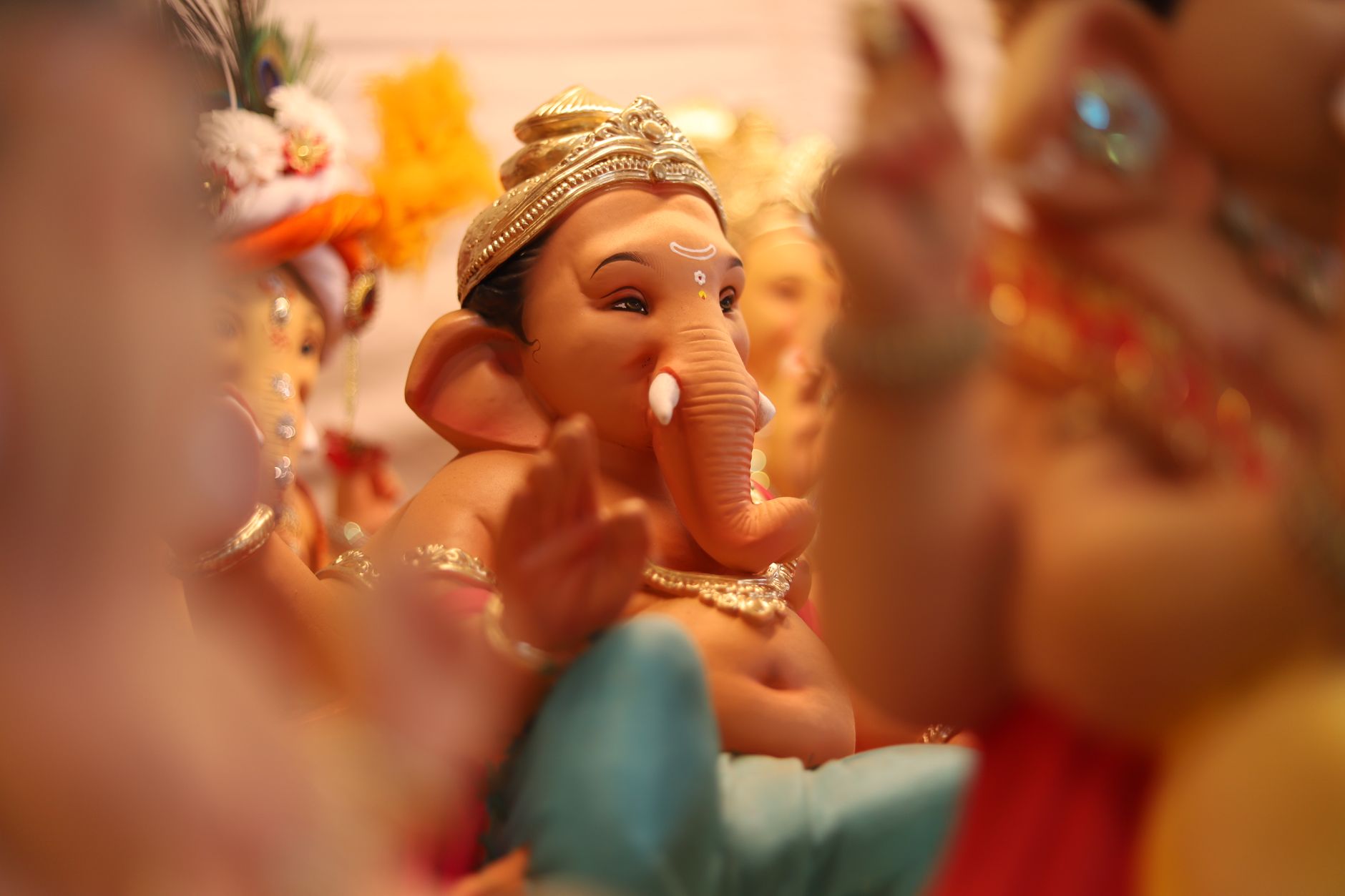
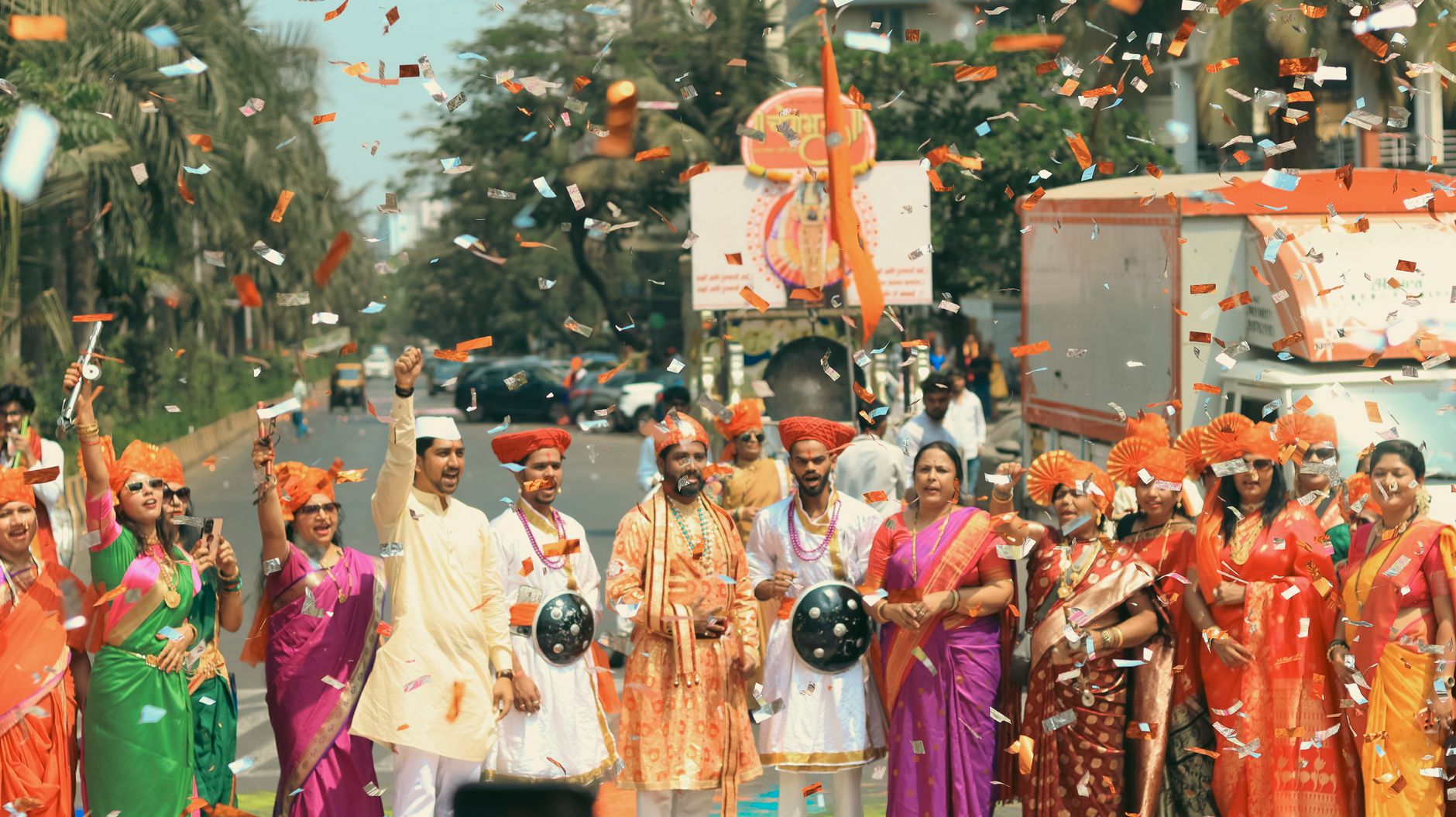
The vibrant city of Pune, known for its rich cultural tapestry and vibrant festivals, finds itself at the centre of a political maelstrom as it grapples with a controversial liquor ban during the revered Ganpati festival. The decision, announced by the Pune administration, has drawn sharp criticism from opposition parties, most notably the Congress, which accuses the ruling BJP of pandering to majoritarian sentiments.
The Bombay High Court has not remained silent on the issue, expressing its discontent over what it perceives as an arbitrary measure. The court's reprimand highlights an essential concern: why single out Pune for such a restriction while other districts continue with business as usual? The court's intervention suggests a judicial unease with decisions that appear to lack a uniform rationale.
Political Underpinnings
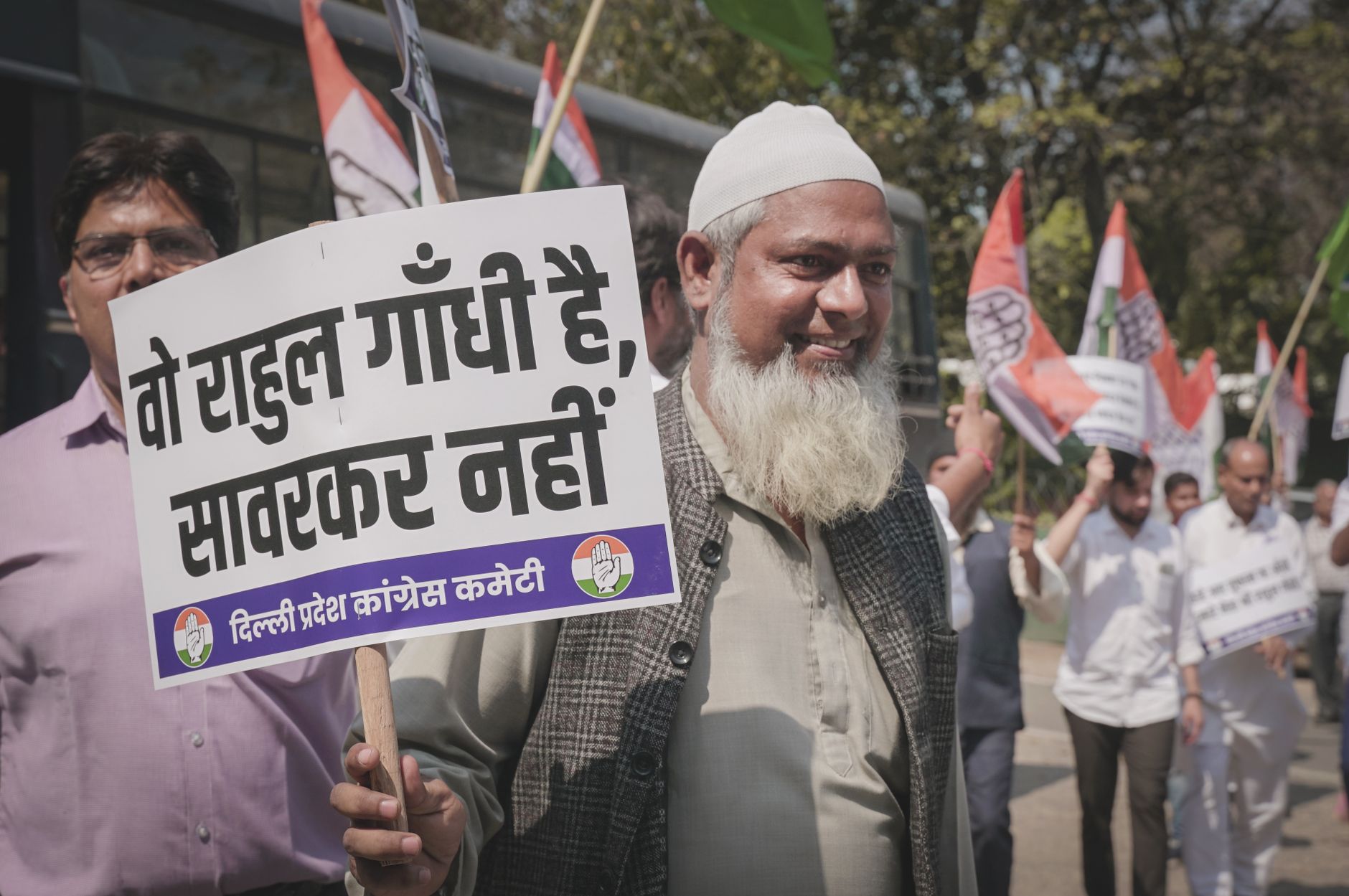
The Congress has seized upon this opportunity to lambast the BJP, accusing it of indulging in 'majoritarian politics'. Congress leaders have pointed out the perceived hypocrisy in the BJP's approach, contrasting the strictures in Pune with the leniency afforded to other religious gatherings, such as the Kanwan Yatris, which often see highways blocked for days.
Such accusations are not new, as the BJP has often been criticised for its handling of religious and cultural affairs. The party, on its part, maintains that the ban is a gesture of respect towards the sanctity of the Ganpati festival, a time when devotees throng the streets in celebration of Lord Ganesha's arrival.
The Broader Picture
Beyond the political sparring, this controversy sheds light on the broader debate in India regarding the intersection of religion and governance. It raises pertinent questions about the role of the state in regulating cultural practices and the extent to which political parties can influence or leverage these traditions for electoral gain.
As Pune anticipates the onset of rains predicted by the India Meteorological Department, the city is not only weathering meteorological changes but also navigating turbulent political waters. This incident, while localised, echoes a national discourse on cultural identity, governance, and political strategy, reminding us of the intricate dynamics at play in India's democracy.