Punjab's Dilemma: Balancing Green Cover with Infrastructure Needs
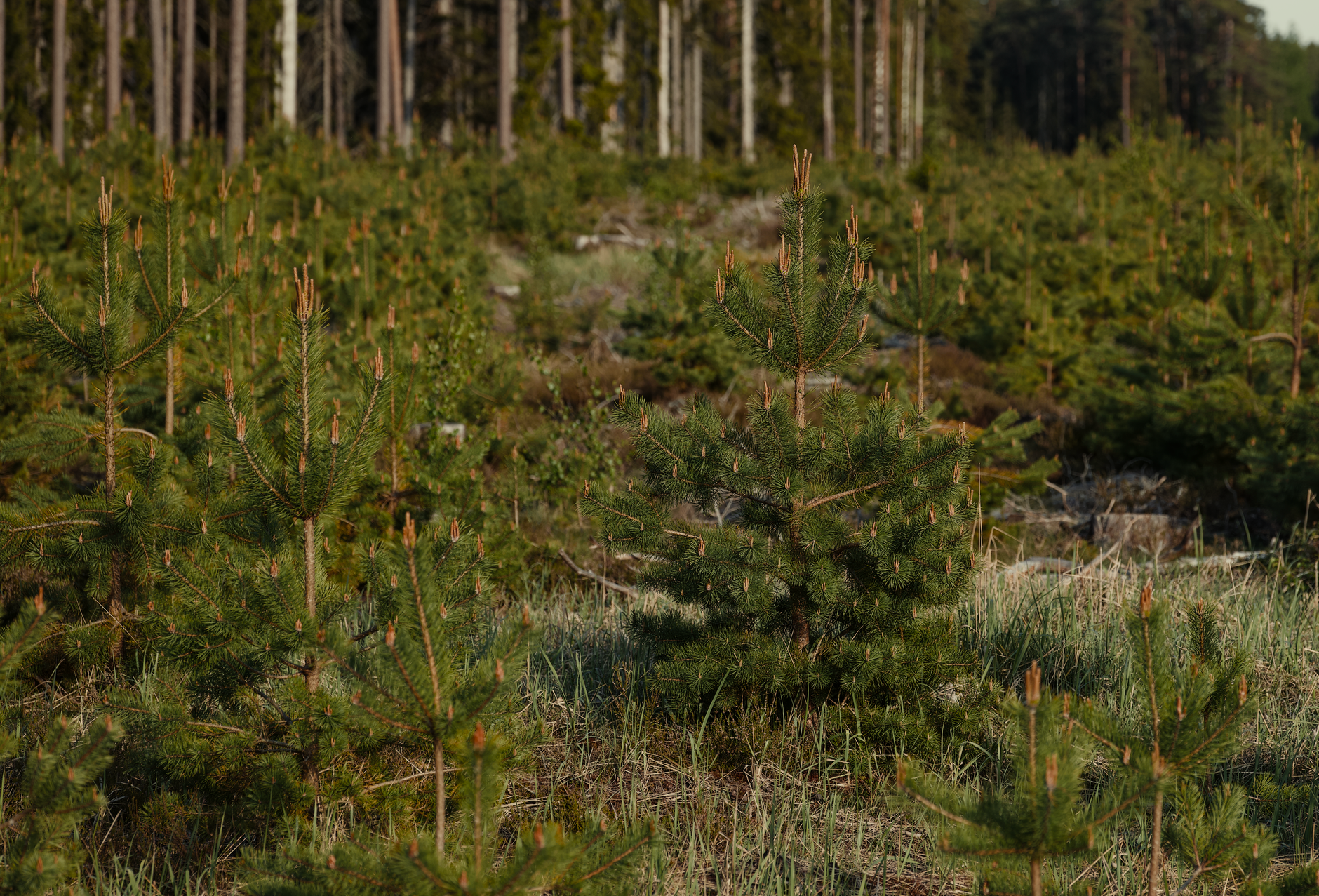
In the shadow of the Himalayas, Punjab finds itself at the crossroads of progress and preservation. The Supreme Court, in a pointed move, has demanded clarity from the Punjab government on its strategy for compensatory afforestation. This comes amidst ongoing development projects that threaten to nibble away at the already dwindling forest cover of the state.
The court's intervention underscores a perennial dilemma faced by border states like Punjab, where strategic infrastructure is indispensable yet potentially detrimental to the environment. The apex court's directive seeks to ascertain how the state plans to replace the trees felled for highways and public constructions, without compromising its ecological balance.
The Green Versus Growth Conundrum
Punjab's infrastructure projects, particularly those involving the National Highways Authority of India (NHAI), have been at the heart of this issue. While these projects are lauded for boosting connectivity and economic growth, they have also raised alarms about environmental degradation. At stake is the state's green cover, which is vital not just for biodiversity but also for the region's climate stability.
Solicitor General Tushar Mehta, representing the central government, has been vocal about the need for a balanced approach. He acknowledged the state's strategic needs but emphasised that compensatory measures must be both effective and sustainable. The Supreme Court's request for a detailed proposal from Punjab is a step towards ensuring that development does not overshadow conservation efforts.
A Way Forward
The Punjab government now faces the challenge of devising a plan that satisfies both the court's mandate and the state's development objectives. This may involve identifying alternative lands for afforestation and adopting modern techniques to enhance green cover more efficiently.
While the path ahead is fraught with challenges, the court's involvement could serve as a catalyst for innovative solutions. The hope is that Punjab can set a precedent for other states grappling with similar issues, demonstrating that growth and greenery can indeed coexist.