Putin Highlights BRICS' Economic Dominance Over G7
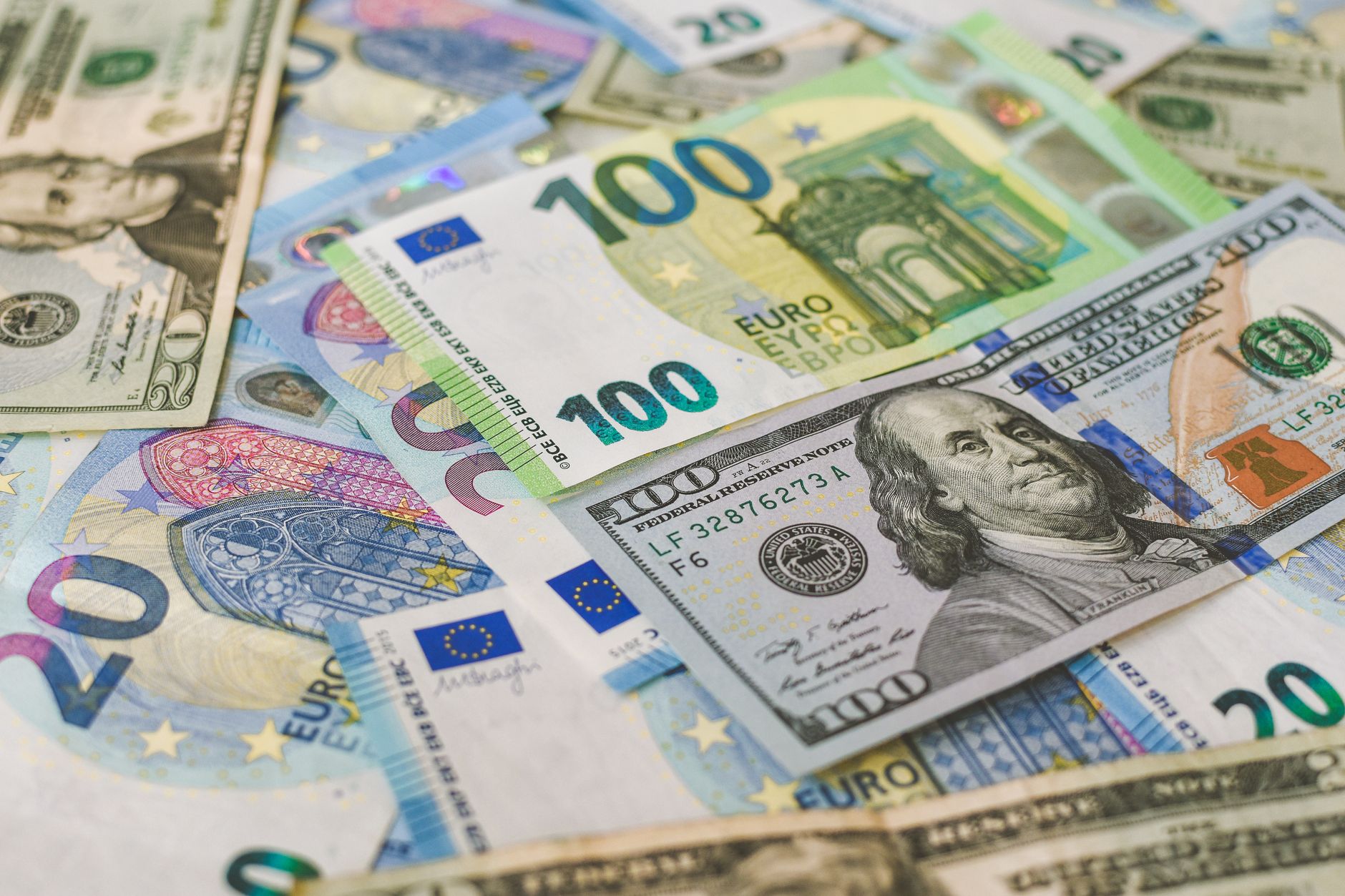
In a declaration that could reshape perceptions of global economic power, Russian President Vladimir Putin has asserted that BRICS nations—Brazil, Russia, India, China, and South Africa—now account for more than 40% of the world's GDP. This figure starkly contrasts with the 29% attributed to the G7, traditionally considered the club of the world's wealthiest democracies.
Speaking at the BRICS summit in New Delhi, Putin did not shy away from criticising the West. He claimed that Western sanctions have precipitated economic challenges, including mounting debt and industrial decline, which have ostensibly weakened the G7's economic standing. His comments were not merely a statement of fact but a strategic swipe at the Western economic model.
The Rise of BRICS
The BRICS countries, often seen as a counterbalance to Western economic influence, have been gaining momentum over the past decade. Their collective economic output now surpasses that of the G7, a development that could signal a shift in global economic dominance. This evolution is not just about numbers; it reflects a broader geopolitical realignment with significant implications for international trade, finance, and diplomacy.
Analysts suggest that the BRICS' economic ascent is due, in part, to their strategic partnerships and investments in key sectors such as technology, infrastructure, and energy. These nations have also been instrumental in advocating for a multipolar world order, challenging the hegemony of Western-led financial institutions.
Geopolitical Implications
Putin's remarks come at a time of heightened geopolitical tensions, with Russia's actions in Ukraine and the West's response through sanctions further complicating global economic relations. The Russian president's statements seem to be aimed at rallying support among BRICS nations to forge a united front against Western economic policies.
While the BRICS nations are diverse and face their own internal challenges, their collective economic performance suggests a potent force capable of influencing global economic policies. As the balance of power continues to shift, the world may be witnessing the dawn of a new economic era, where the global south plays an increasingly pivotal role.