Racquet Sports Surge Leads to Physiotherapy Boom
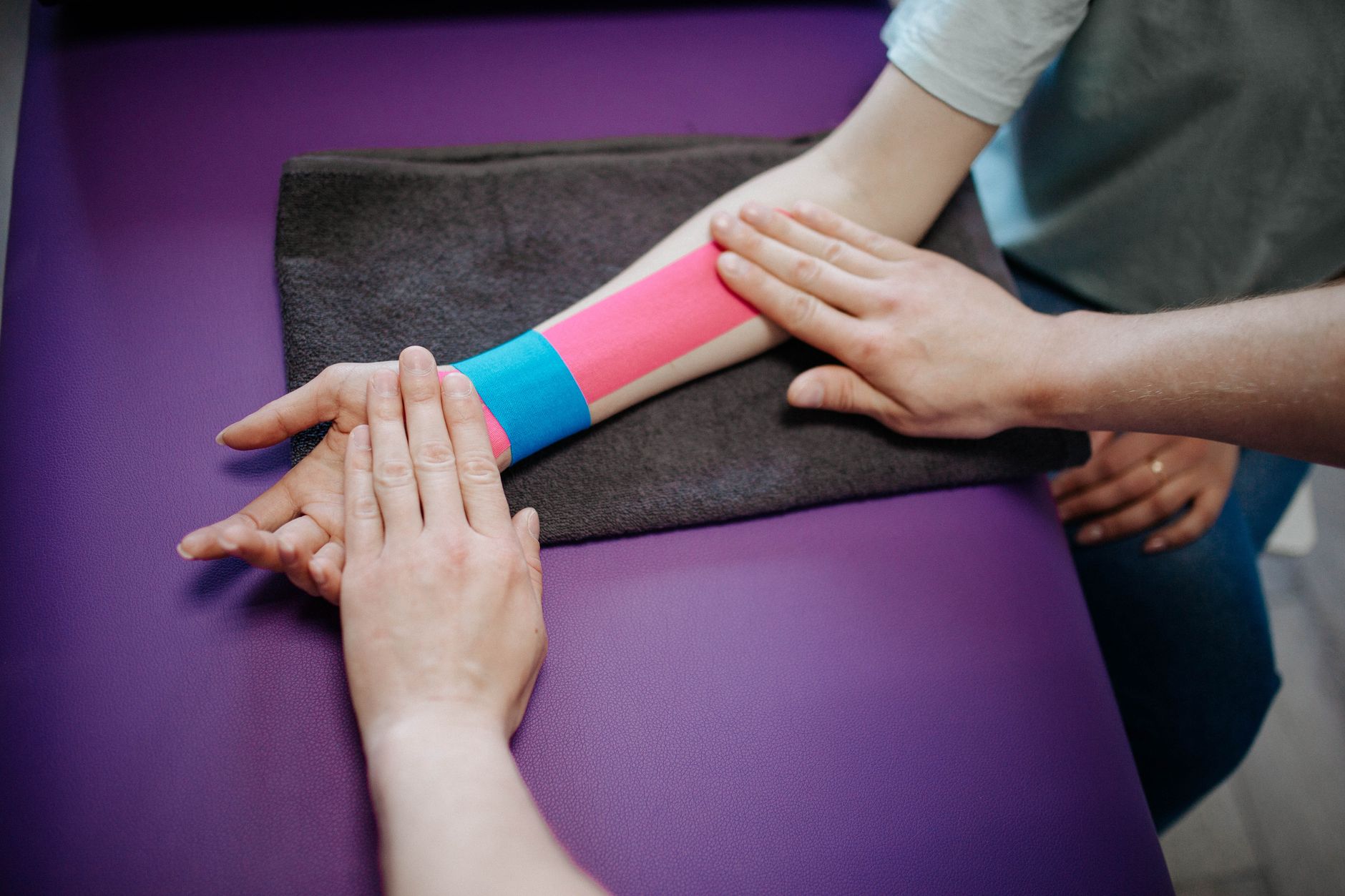
In a sports hall echoing with the thwack of racquets and the squeak of trainers on polished floors, a new concern is emerging among physiotherapists. The rapid rise in popularity of padel and pickleball, two racquet sports that have captivated the public, is accompanied by a less glamorous trend: an uptick in injuries.
Physiotherapists up and down the country are reporting a surge in patients hobbling in with complaints ranging from the predictable ankle twists to more serious shoulder strains. "It's a bit of a double-edged sword," says Dr. Emily Carr, a seasoned physiotherapist from Manchester. "While it's heartening to see so many people embracing physical activity, the lack of proper preparation is concerning."
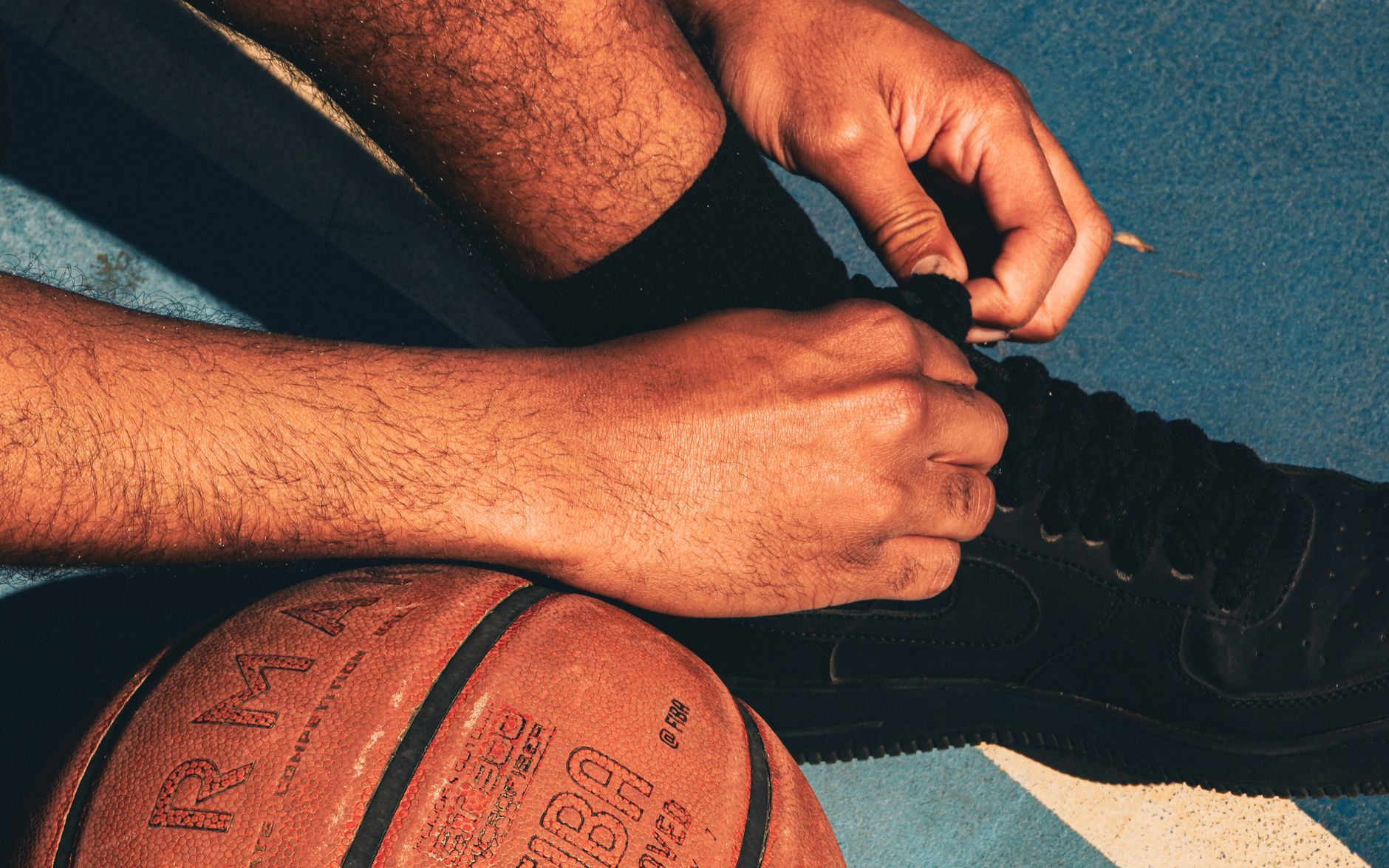
The charm of padel and pickleball lies in their accessibility. Played in small courts, these sports offer a convivial atmosphere and a less intimidating entry compared to their elder cousin, tennis. Yet, this very accessibility might be leading players to skip essential warm-ups and neglect proper footwear.
The Physio's Perspective
Dr. Carr explains that many injuries could be easily avoided. "People underestimate the physical demands these games place on the body. It's not just a bit of fun; it's a proper workout," she notes. Indeed, the sudden twists and rapid movements required can catch novices off guard, leading to familiar complaints of 'pickleball elbow' and knee strains.
The rise of these sports has also spawned a friendly rivalry, as enthusiasts debate the merits of each. Padel, with its squash-like walls, offers a different flavour of play compared to the open court nature of pickleball. However, both share the commonality of bringing people together, a factor that has undoubtedly fuelled their popularity.
Prevention Over Cure
Prevention, as Dr. Carr and her colleagues argue, is the best medicine. They advocate for taking the time to warm up properly and invest in supportive footwear. "It might sound obvious, but a little preparation goes a long way," she advises.
With new sports complexes like Sportacular integrating community spaces with athletic facilities, the hope is that the social aspect of these games will drive more awareness about injury prevention. After all, the goal is not just to play but to play safely and sustainably.
As padel and pickleball continue to capture imaginations, their enthusiasts would do well to remember that a little caution could keep them on the court rather than on the treatment table.