Rahul Gandhi Calls for Fair Competition, Not Monopolies
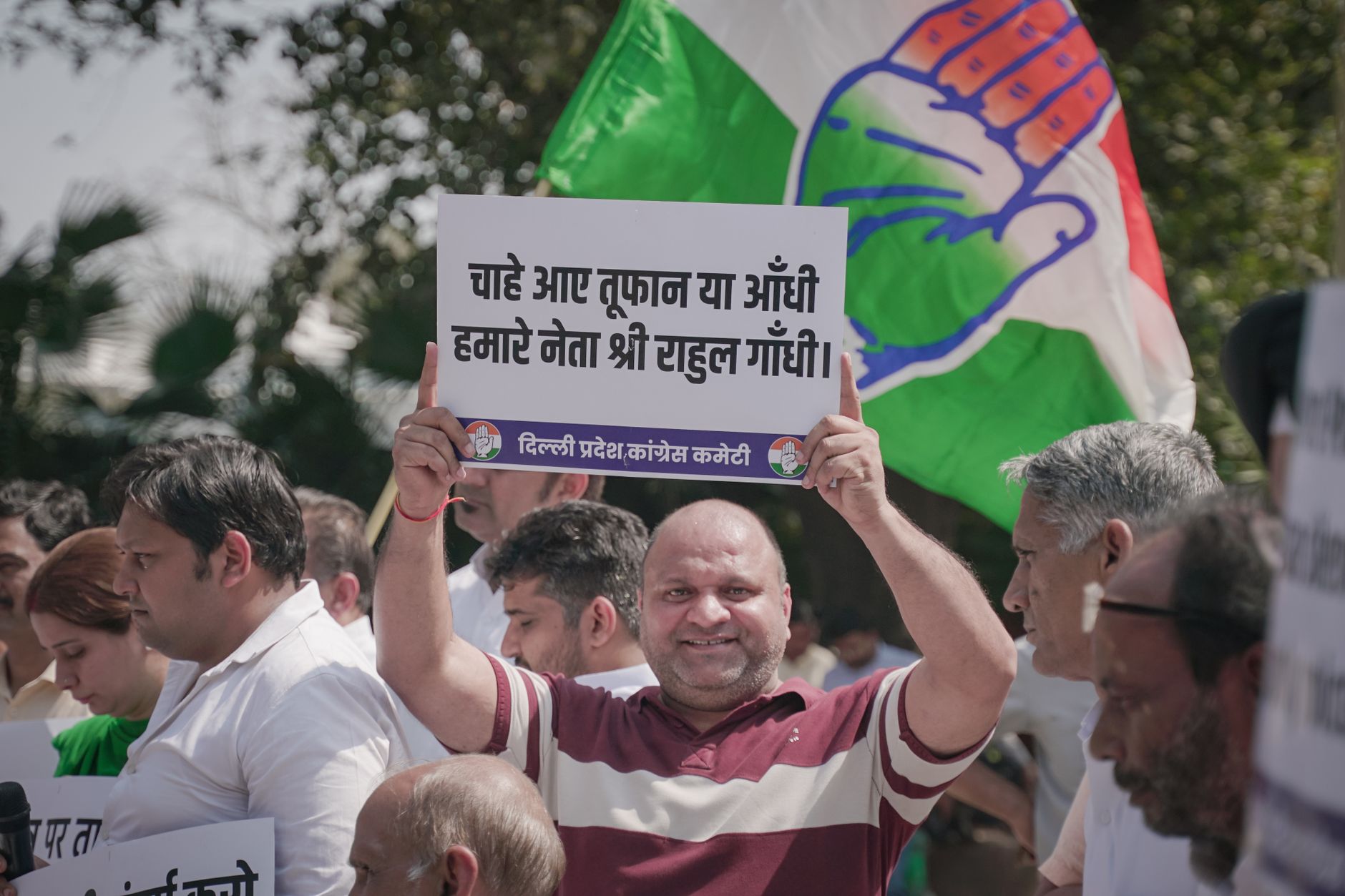
Rahul Gandhi, the ever-vocal Leader of the Opposition in India's Lok Sabha, has once again captured attention by vocally opposing monopolistic tendencies in the business world. His recent comments have sparked discussions, not least because they touch on the sensitive nerve of crony capitalism—a topic that resonates deeply within India's economic narrative.
During a candid exchange, Gandhi asserted, "I am not anti-business in the slightest; I am anti-monopoly." He elaborated by cautioning against the creation of oligopolies, where a handful of individuals or corporations dominate the entire market. His remarks were particularly poignant, given the increasing consolidation seen in various sectors of the Indian economy.
Historical Lessons
Drawing lessons from history, Gandhi evoked the example of the British East India Company. The company, once a mere trading entity, grew into a colossal force, wielding immense power over the subcontinent. Gandhi's analogy serves as a stark reminder of the perils associated with unchecked corporate power.
His timing is noteworthy. The Indian business environment is currently marred by debates surrounding the influence of large conglomerates. Gandhi's critique resonates with many who fear that a few powerful entities are stifling innovation and competition.
A Call for Fair Play
Gandhi's message is clear: India must foster an environment where every business, regardless of its size, has an equal shot at success. "I started my career as a management consultant," he stated, "I understand what businesses need to thrive." His call for a 'level playing field' is not merely rhetoric but a demand for policy changes that dismantle cronyism and promote fairness.
While his comments have been met with varied reactions, they undeniably stir a crucial conversation about the future direction of India's economic policies. As the debate continues, Gandhi's vision of equitable competition versus monopolistic dominance remains a pressing issue.