Rahul Gandhi Calls for PM's Apology and Minister's Resignation Over Student Protests
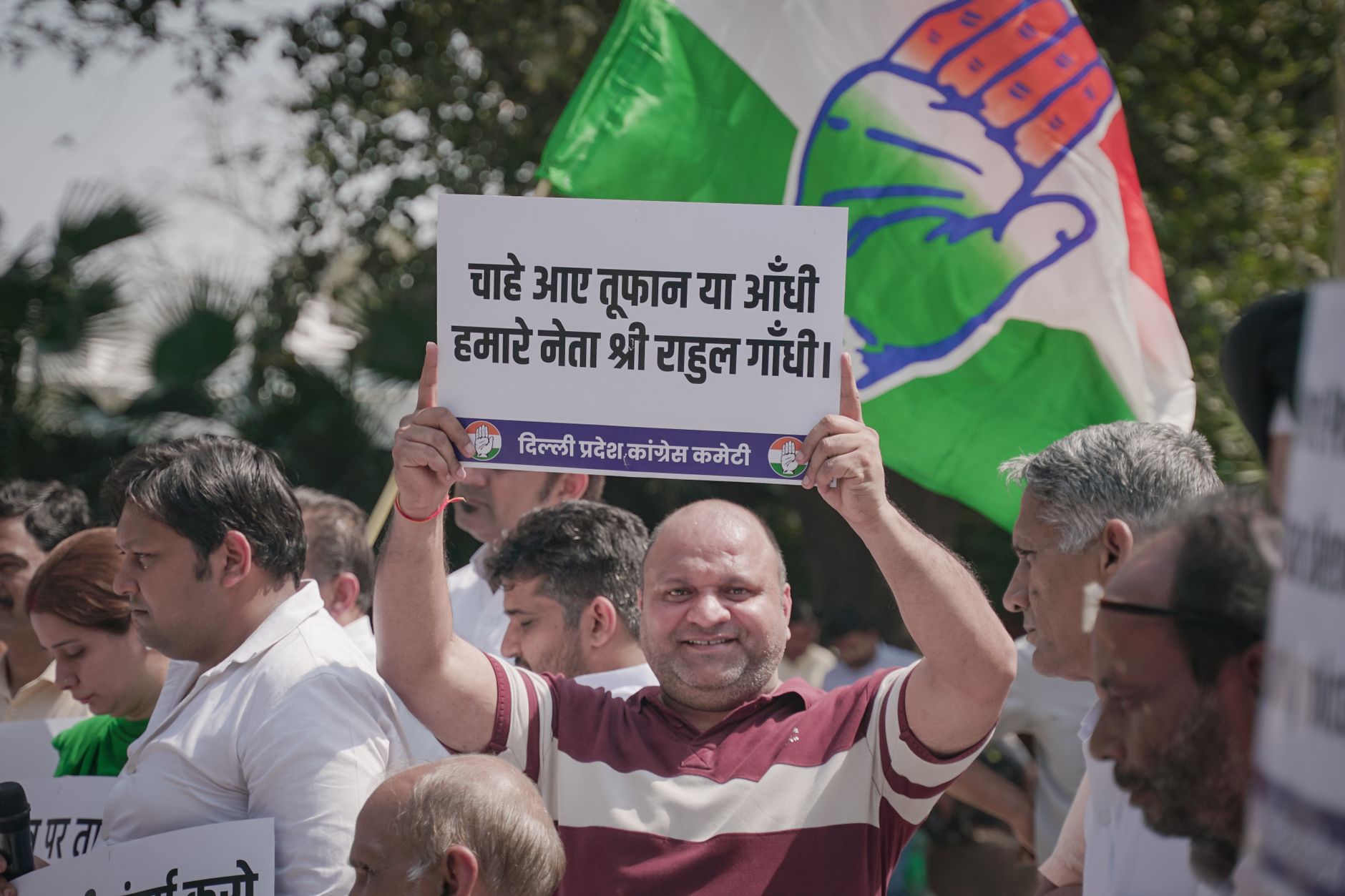
In the fervour of student protests that have gripped parts of India, Congress leader Rahul Gandhi has made a bold demand: Prime Minister Narendra Modi should apologise to students for the alleged police brutality and sack Education Minister Dharmendra Pradhan. This declaration comes as the latest development in a saga of discontent over the government's handling of educational reforms and the rights of students.
Gandhi's comments follow reports of police clashing with students, leaving several injured, during demonstrations against what they perceive as unfair educational policies. The Congress leader, addressing the press, criticised the government’s response to the protests, accusing it of suppressing legitimate dissent. "The Prime Minister should apologise to the students and stop this nonsense of thrashing students," Gandhi stated, making it clear that he holds the top echelon of government accountable.
Rising Discontent
The protests, which erupted over proposed changes in the educational system, have highlighted the growing dissatisfaction among the youth. Students have expressed concerns that these reforms might compromise the quality of education and unfairly impact their future prospects. The unrest has been met with a heavy police presence, which has only fuelled further anger.
Rahul Gandhi's call for an apology and resignation is not merely about the immediate incident; it reflects deeper frustrations with the current administration's approach to education and governance. He emphasised that the government's failure to engage constructively with student leaders is indicative of a larger issue — the reluctance to consider dissenting voices in policy-making.
Political Implications
These demands by Gandhi could have significant political ramifications. They not only put pressure on the ruling party but also highlight the Congress party's attempt to position itself as the defender of student rights. The situation serves as a litmus test for the government's commitment to democratic principles and its willingness to address public grievances.
As the situation unfolds, the government faces a choice: to engage with the protesters and address their concerns or to double down on its current stance, potentially alienating a substantial section of the youth. The coming days will be telling of the government's strategy and its implications for Indian politics.