Rahul Gandhi Criticises PM Modi Over New Education Minister's Appointment
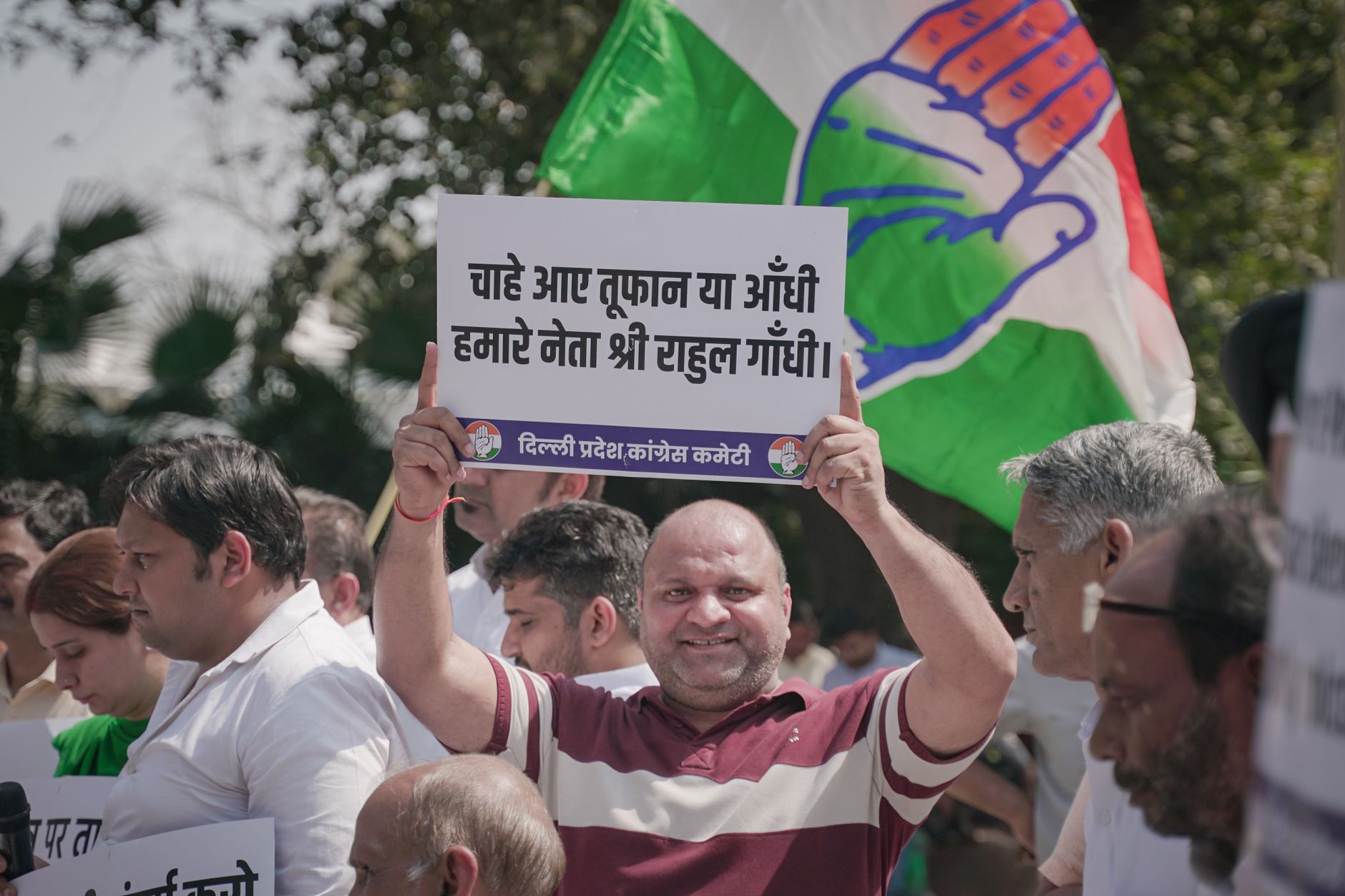
In a blistering critique of Prime Minister Narendra Modi's recent cabinet reshuffle, Rahul Gandhi has questioned the appointment of Pralhad Joshi as India's new Education Minister. Gandhi's remarks, made during a public rally, centred on Joshi's controversial past comments defending convicts in the infamous Bilkis Bano case, a sensitive issue that continues to resonate in India's socio-political discourse.
"How can someone who has protected those guilty of heinous crimes be entrusted with the future of our children?" Gandhi asked rhetorically, drawing applause from an audience all too familiar with the troubles besieging India's education sector.
Political Jabs and Public Perception
Adding fuel to the fire, Priyanka Gandhi Vadra took the opportunity to chastise Modi's recent social media escapades. "You cannot win Gen-Z's trust by making Instagram reels," she quipped, a wry comment on the Prime Minister's attempts to engage with younger voters amid widespread disillusionment over recent educational controversies.
The resignation of the former Education Minister Dharmendra Pradhan came under pressure from weeks-long student protests and uproar over the NEET exam paper leaks. This scandal has left students and parents questioning the integrity of India's examination system, and Joshi's appointment is seen as a strategic move to restore public confidence.
A Controversial Appointment
Pralhad Joshi, previously known for his administrative acumen, is now tasked with navigating the turbulent seas of educational reform. His appointment has been met with a mixture of scepticism and support. While some view him as a stabilising force, others, like Rahul Gandhi, worry about the implications of his previous public statements.
The coming months will be telling. Joshi must address not only the practical challenges of reforming an ailing education system but also repair the ministry's public image, tarnished by recent scandals. Whether he succeeds will depend on his ability to bridge the gap between political expediency and genuine reform.