Rahul Gandhi Critiques Education System, Urges Student Dialogue
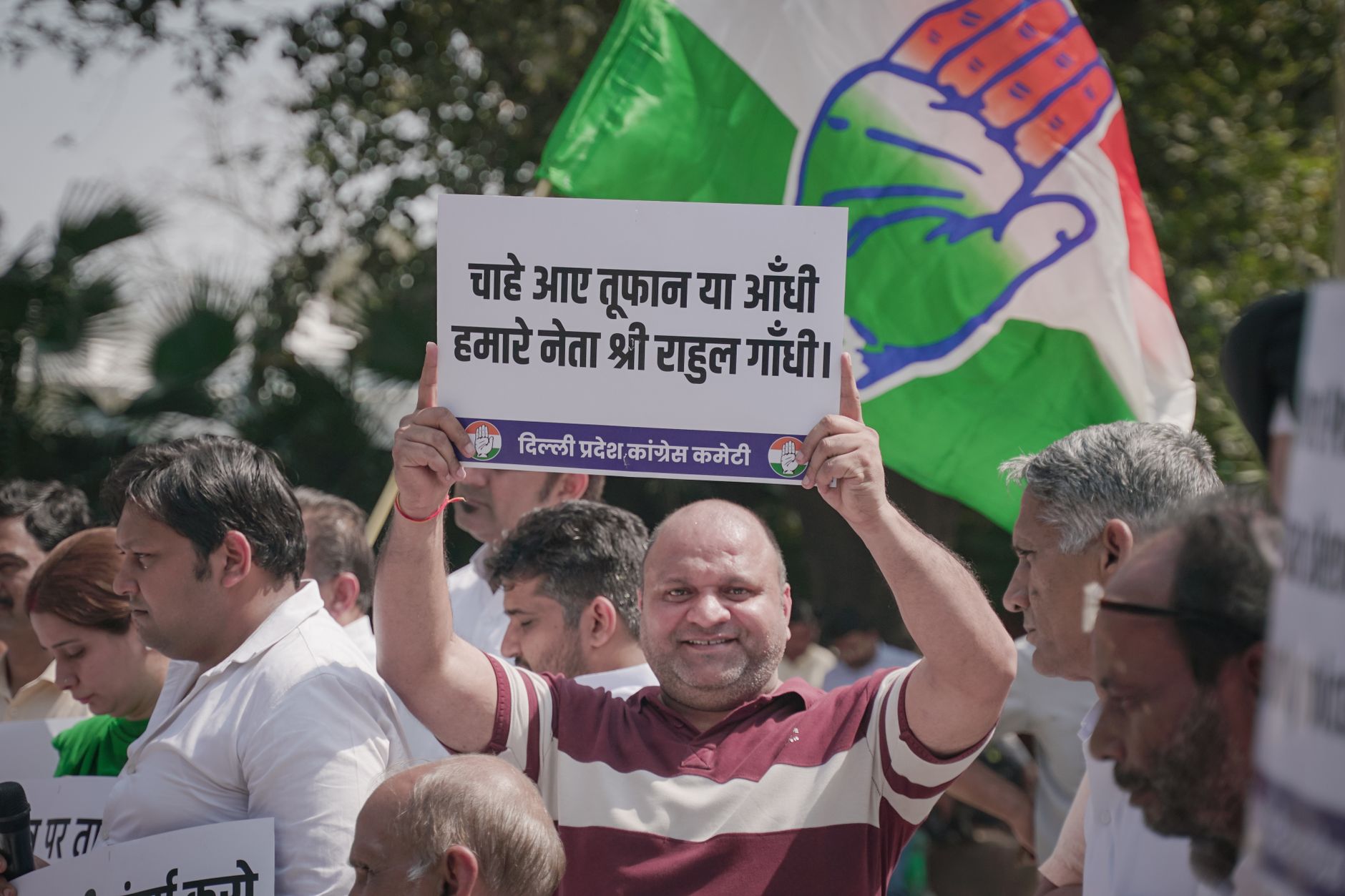
In a blistering critique that has sent ripples through the corridors of power, Rahul Gandhi has called India's education system a failure, asserting that it is not fulfilling its fundamental purpose of uplifting the young generation. Speaking at an event in New Delhi, the Leader of Opposition did not mince words, stating that the current system is 'failing the very generation it was meant to lift'.
Gandhi's remarks have sparked a nationwide dialogue, as he urged students, parents, and teachers to come forward and share their experiences and frustrations about the education system. He has even gone so far as to provide a platform for them to voice their concerns through a link shared on social media.
Listening to the Disillusioned
Highlighting incidents such as paper leaks and undue academic pressure, Gandhi emphasised that the first step towards reforming education is to listen to those who navigate its pitfalls daily. 'The students have lost faith,' he declared, inviting young people on stage to discuss their grievances.
This initiative is not solely about identifying problems but about galvanising a movement towards meaningful change. By engaging directly with those affected, Gandhi aims to bridge the gap between policymakers and the classroom realities.
The Broader Context
The Congress leader's comments come amid growing concerns over the quality and accessibility of education in India. With increasing competition and rote learning overshadowing critical thinking, the education system has been under scrutiny for perpetuating inequality rather than alleviating it.
Gandhi's call to action aligns with a broader need to re-evaluate educational priorities, ensuring they cater to holistic development rather than mere academic achievement. By fostering an environment where students feel heard and valued, the hope is to restore faith in an institution meant to be a pillar of progress.
Whether this initiative will ignite the reforms Gandhi envisions remains to be seen, but his approach of direct engagement is certainly a step towards acknowledging the voices that matter most in this debate.