Rahul Gandhi Demands Apology and Resignation Amid Student Protests
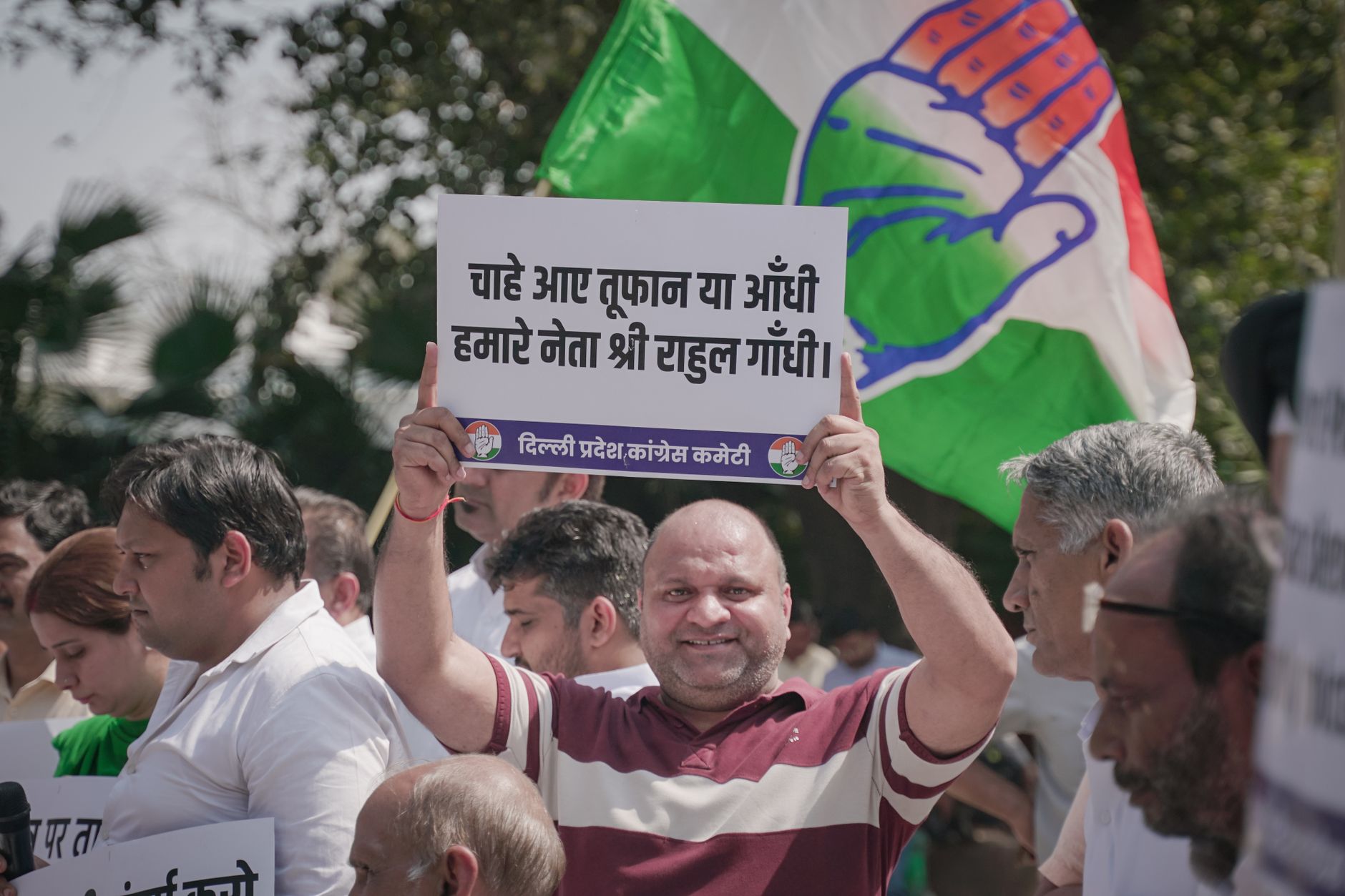
In the heart of India's political storm, Rahul Gandhi has issued a stark ultimatum to the nation's leadership. The Congress leader has demanded that Prime Minister Narendra Modi apologise to students who have reportedly faced police aggression during recent protests. Furthermore, he insists that Education Minister Dharmendra Pradhan resign over what he describes as systemic failures in the education sector.
The protests, largely driven by students frustrated with the current state of education, have seen numerous instances of alleged police brutality. Video footage circulated widely on social media platforms seems to paint a disturbing picture of the state’s response to civil unrest.
A Call for Accountability
Rahul Gandhi, speaking with his trademark vigour, declared, “The Prime Minister must apologise to the students, and the Education Minister must step down.” His words reflect growing discontent among the youth, who feel neglected by policies they claim are out of touch with their needs and aspirations.
Gandhi's demand for accountability does not stop at the Prime Minister's door. Home Minister Amit Shah is also in his crosshairs, with Gandhi calling for Shah's resignation as well. These calls are part of a broader critique of the government's approach to governance, particularly in sectors critical to India's future, such as education.
Political Repercussions
This development is not without political ramifications. The Congress party, bolstered by over 100 MPs, aims to leverage this moment to galvanise public opinion and challenge what it perceives as authoritarian tendencies within the ruling party. The demand for apologies and resignations is more than mere political theatre; it is a clarion call for reform and accountability.
While the government has yet to officially respond to these demands, the pressure is mounting. Public sentiment, especially among the youth, appears to be shifting, with many viewing Gandhi's stance as a refreshing change from the usual political rhetoric.
As India stands at this crossroads, the question remains: will the government heed these calls for change, or will it continue to dismiss them as political posturing? The answer could very well shape the future of India's educational landscape and its political trajectory.