Rahul Gandhi's Police Station Protest Sparks BJP Criticism
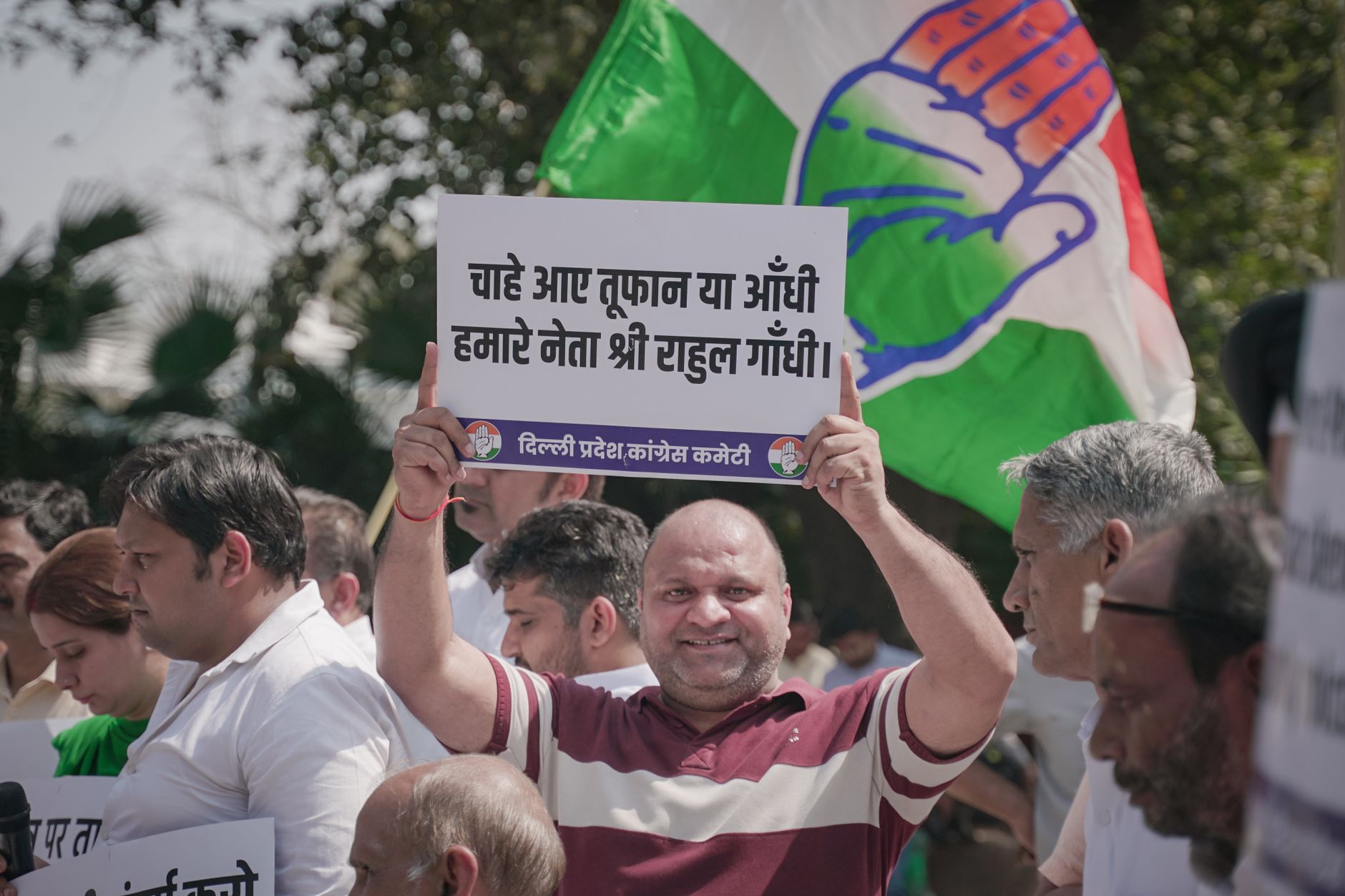
In a drama that unfolded at the Parliament Street Police Station in Delhi, Rahul Gandhi found himself at the centre of a political storm. The Congress leader's protest, demanding the registration of a complaint regarding an alleged pellet gun attack, has been labelled by the BJP as a 'politics of anarchy'.
The incident began when Sahil Lochav, reportedly injured by a pellet gun during a protest at Jantar Mantar, approached the police with a complaint. However, it was not until Gandhi's intervention that an FIR was filed, a move he claims was only possible after Home Minister Amit Shah's approval.
A Political Standoff
Gandhi's sit-in at the police station was, according to the BJP, an unauthorised act designed to disrupt and draw attention. BJP spokesperson Ravi Shankar Prasad criticised the protest, suggesting it was an attempt to incite chaos rather than seek justice.
"Rahul Gandhi's actions are nothing short of a political gimmick. He is indulging in theatrics to create an illusion of injustice," Prasad remarked, emphasising that the police had been conducting their investigations independently.
Historical Tensions
The clash is the latest in a series of confrontations between India's two major political parties. The BJP has long accused the Congress of prioritising political drama over governance, a charge the Congress refutes, citing the BJP's alleged high-handedness and bureaucratic barriers.
While the BJP paints Gandhi's protest as disruptive, his supporters argue it reflects the Congress's commitment to justice and accountability. "This is about ensuring the common man's voice is heard," a Congress spokesperson stated.
The incident casts a spotlight on the broader political landscape in India, where such standoffs are not merely about individual events but rather represent deeper ideological divides. As the 2024 general elections loom, each party appears keen to sharpen its narrative against the other.
Amidst this political theatre, the citizens await outcomes that move beyond rhetoric to tangible improvements in governance and justice. Whether Gandhi's protest will effect such change or remain a footnote in India's tumultuous political history is a question yet to be answered.