Rahul Gandhi's Rallying Cry: End Victim-Blaming in India
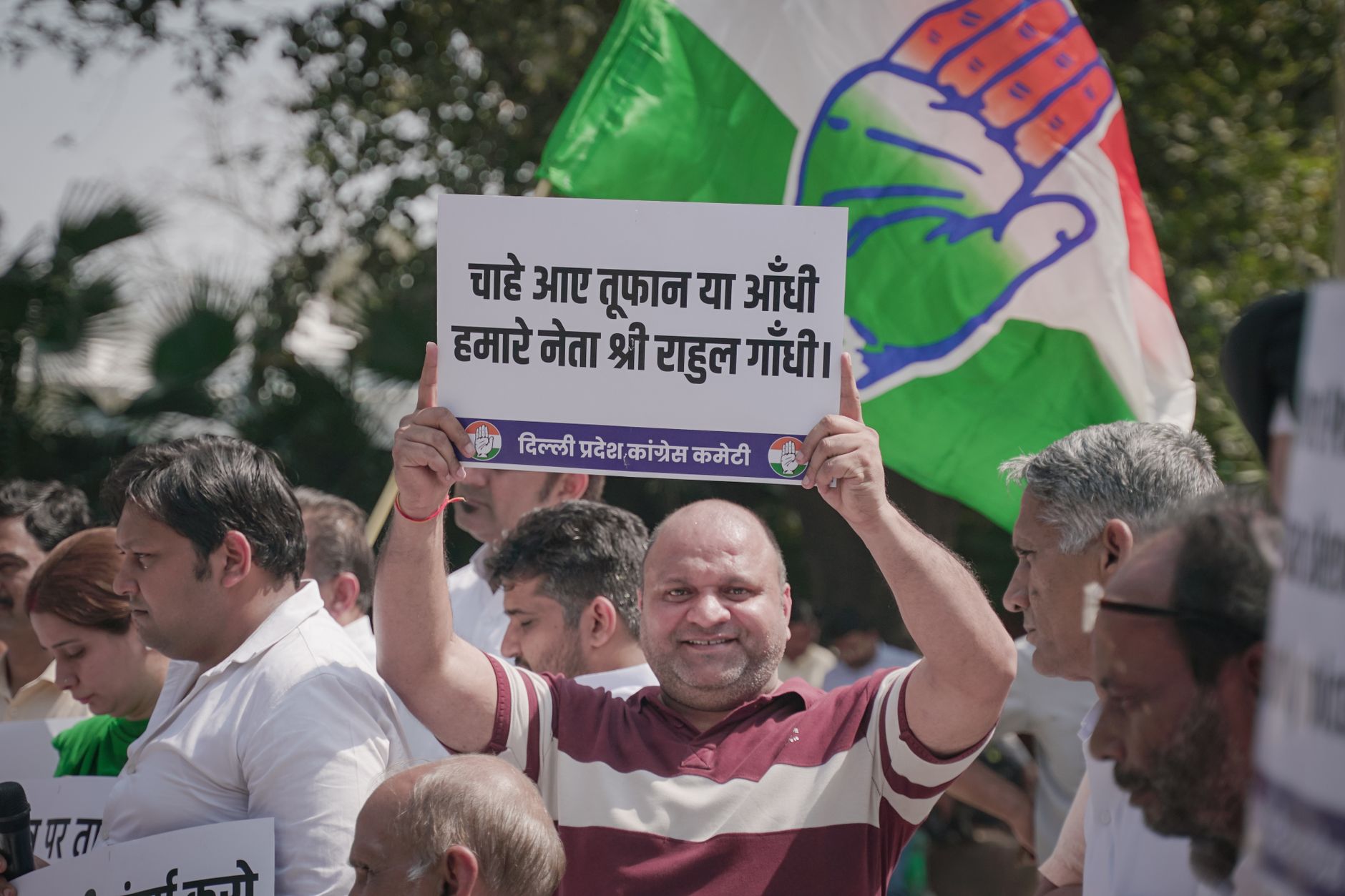
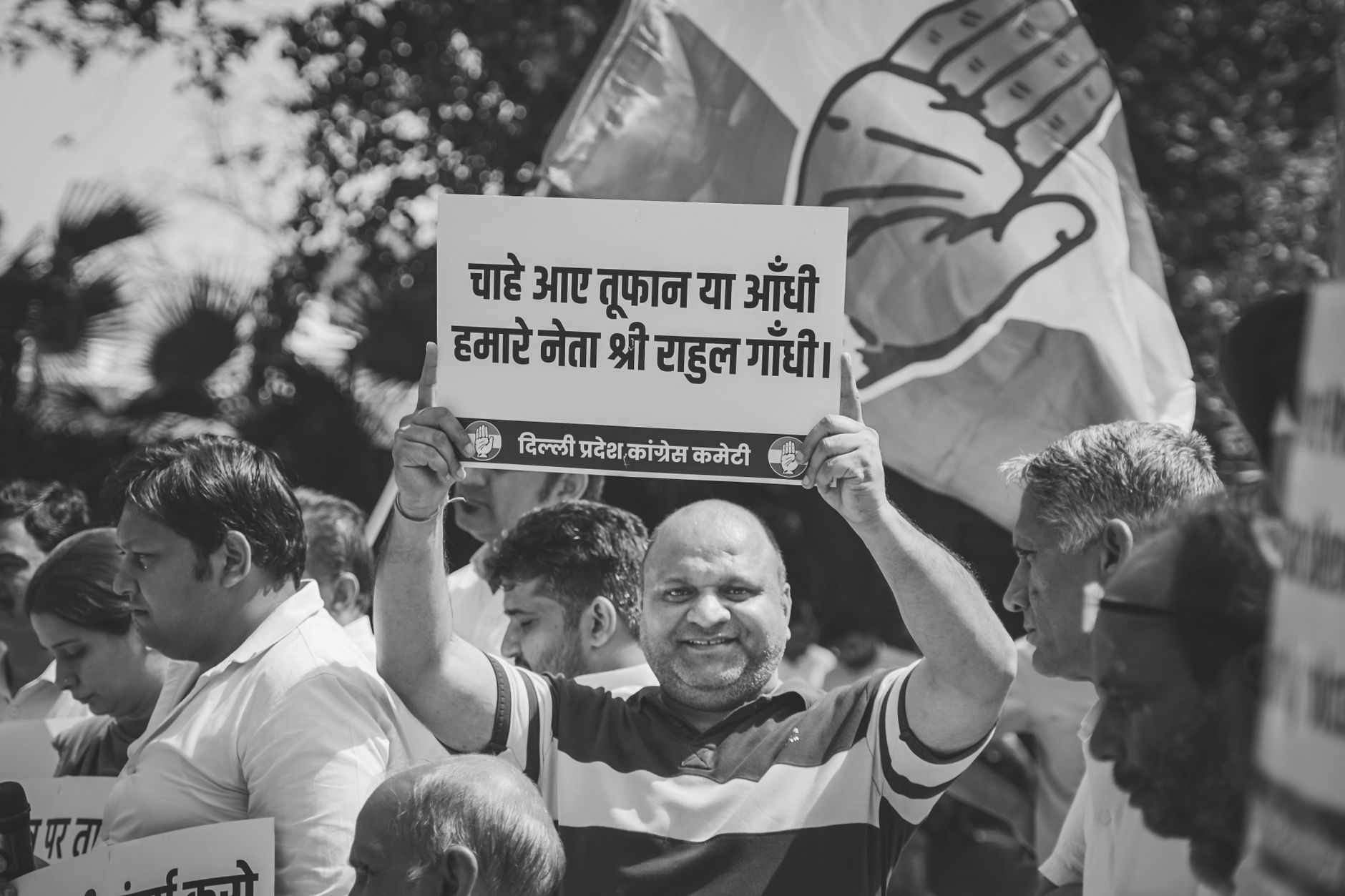
"It's time to tear down the system that blames the victim and shields the criminal," declared Rahul Gandhi with characteristic fervour, addressing a gathering in New Delhi. The Congress leader's words resonate deeply in a nation where the spectre of gender-based violence looms large over everyday life. Women across India, he noted, live in fear of harassment and assault, a grim reality that demands urgent redressal.
Gandhi's call to action is not merely rhetoric. He urged young Indians to protest, to take to the streets to demand safer environments for women, and to hold those in power accountable. "The government responds only under pressure," he claimed, pointing to a systemic reluctance to address the root causes of violence against women.
The issue of victim-blaming, Gandhi argues, is emblematic of a patriarchal mindset ingrained within Indian society and its institutions. This mindset not only fails to protect women but often punishes them for crimes committed against them. His remarks come amidst growing frustration over the government's perceived inaction and the slow pace of judicial processes in delivering justice.
The Long Shadow of Fear
For many women in India, stepping out of their homes is fraught with anxiety. The threat of harassment, violence, or worse, is an ever-present reality. Gandhi highlighted this pervasive insecurity, suggesting that it is not women who need to change their behaviour, but rather the system that must be transformed to ensure their safety.
His rallying cry for protests is a clear indication that the issue is not just political but deeply societal. Gandhi's emphasis on grassroots mobilisation reflects a broader strategy to galvanise public opinion and create a groundswell of demand for change.
A Critique of Government Inaction
While his speech was a clarion call for reform, it was also a sharp critique of the government's failure to address these concerns adequately. Gandhi's remarks tap into a larger discourse on the need for systemic reform, not just in law enforcement but in societal attitudes towards women and gender-based violence.
The political implications of Gandhi's statements could ripple through the corridors of power, challenging the status quo and potentially reshaping the narrative around women's safety in India. As the youth mobilise, the onus is on the government to respond with concrete action rather than platitudes.