Rajnath Singh Endorses Missile Tech Transfer to Boost Defence Manufacturing
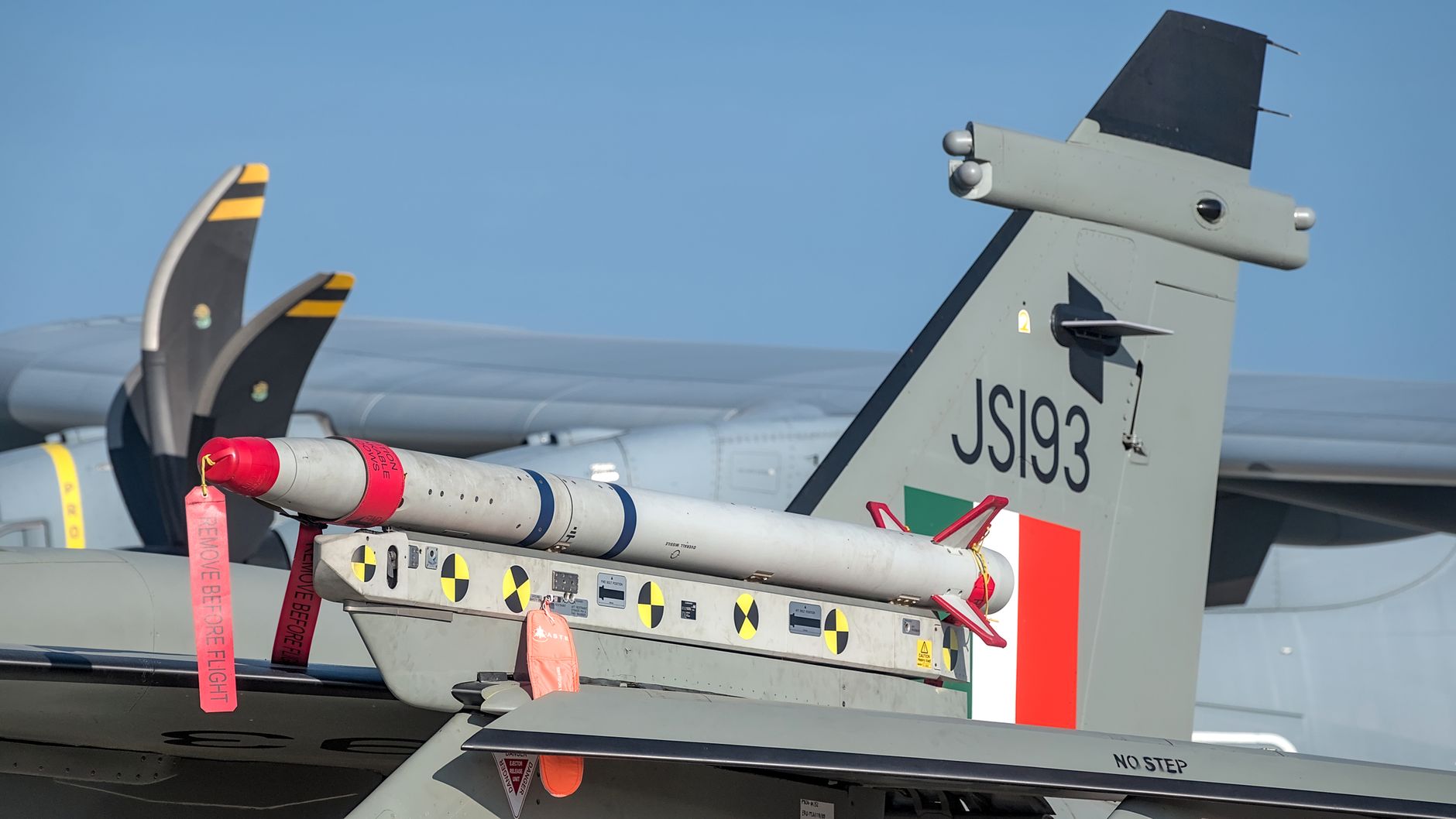
The corridors of Indian defence manufacturing witnessed a pivotal moment today as Defence Minister Rajnath Singh approved the transfer of missile technology from the Defence Research and Development Organisation (DRDO) to domestic companies. This strategic decision is poised to invigorate India's indigenous defence capabilities, aligning with the government's vision of self-reliance, or 'Atmanirbharta', in the defence sector.
Historically, India's defence industry has grappled with the twin challenges of limited technology access and a reliance on foreign suppliers. By unlocking DRDO's advanced missile technologies, the government aims to empower local manufacturers, particularly micro, small, and medium enterprises (MSMEs), to play a more significant role in the defence supply chain. This move is expected to create a ripple effect, enhancing both the quality and quantity of defence production within the country.
Empowering Domestic Manufacturers
The decision to transfer DRDO's missile technologies is not merely an administrative measure but a strategic gambit to fortify India's defence ecosystem. By equipping local companies with cutting-edge technology, the government seeks to foster an environment of innovation and competitiveness. This transfer will enable domestic firms to not only meet the needs of the Indian Armed Forces but also explore export opportunities, thus establishing India as a global player in defence manufacturing.
For MSMEs, this development opens up a trove of opportunities. These enterprises, often the backbone of innovation, will have the chance to collaborate with larger defence companies, contributing to a robust supply chain. The government's focus on MSMEs is part of a broader strategy to decentralise defence production, ensuring that the benefits of technology transfer percolate through the entire industrial fabric.
A Strategic Shift
Defence experts have hailed this move as a watershed moment, one that could recalibrate the industry's dynamics. By reducing dependency on foreign imports, India not only saves valuable foreign exchange but also gains strategic autonomy. Moreover, the indigenisation of missile technologies could lead to the development of customised solutions tailored to India's unique defence requirements.
While this initiative marks a forward leap, the road ahead is not without challenges. Ensuring the seamless integration of transferred technologies into existing frameworks will require concerted efforts from both government and industry stakeholders. Moreover, maintaining stringent quality standards will be crucial in building international credibility.
In conclusion, Rajnath Singh's approval of the DRDO missile tech transfer is a bold step towards national self-reliance in defence manufacturing. As the defence sector braces for this transformative phase, it reflects India's broader aspirations of emerging as a formidable force on the global technological front.