Rallying Cry: Call for Greater Setbacks in Shale Gas Drilling
In the shadow of the Pennsylvania State Capitol, a coalition of concerned citizens and environmental activists is gearing up for a rally that could shape the future of shale gas drilling regulations. On 7 October, the group will convene in Harrisburg, wielding placards and petitions, to demand a reassessment of the current 500-foot setback rule from drilling sites.
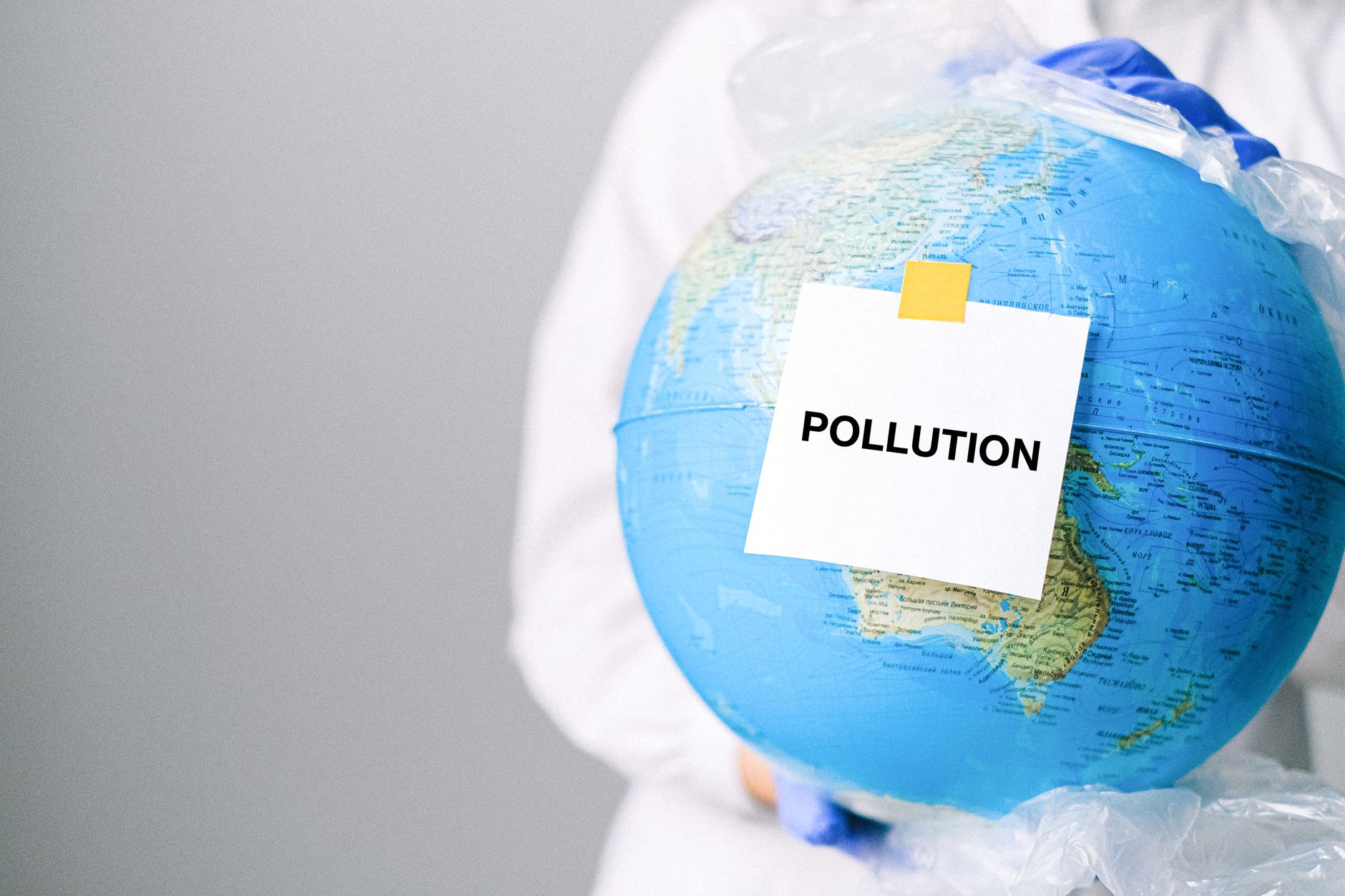
Their argument is straightforward yet compelling: the existing buffer is inadequate to shield communities from the potential hazards of shale gas extraction. Proponents of increased setbacks argue that the current regulations do not sufficiently protect against air and water pollution, noise, and other risks associated with drilling operations.
Health and Environmental Concerns
Public health experts and environmentalists alike have voiced concerns over the potential repercussions of drilling so close to residential areas. They argue that the current regulations do not account for the cumulative impact of drilling activities, which can exacerbate respiratory conditions and contaminate water supplies.
Recent studies have pointed to a correlation between proximity to drilling sites and health issues such as asthma and other respiratory ailments. These findings have fuelled the coalition's call for more significant setbacks, arguing that a larger buffer could mitigate these health risks.
Political and Economic Implications
The rally is not merely a grassroots effort but a call to policymakers to reconsider the balance between economic gain and public safety. The shale gas industry has undeniably contributed to the state's economy, providing jobs and revenue. However, the coalition argues that these economic benefits should not come at the expense of public health and environmental integrity.
As the rally approaches, the eyes of the nation will be on Harrisburg. The outcome could set a precedent for other states grappling with similar issues, potentially reshaping the landscape of shale gas regulations across the United States.