Rare Snowfall Transforms Chile's Atacama Desert
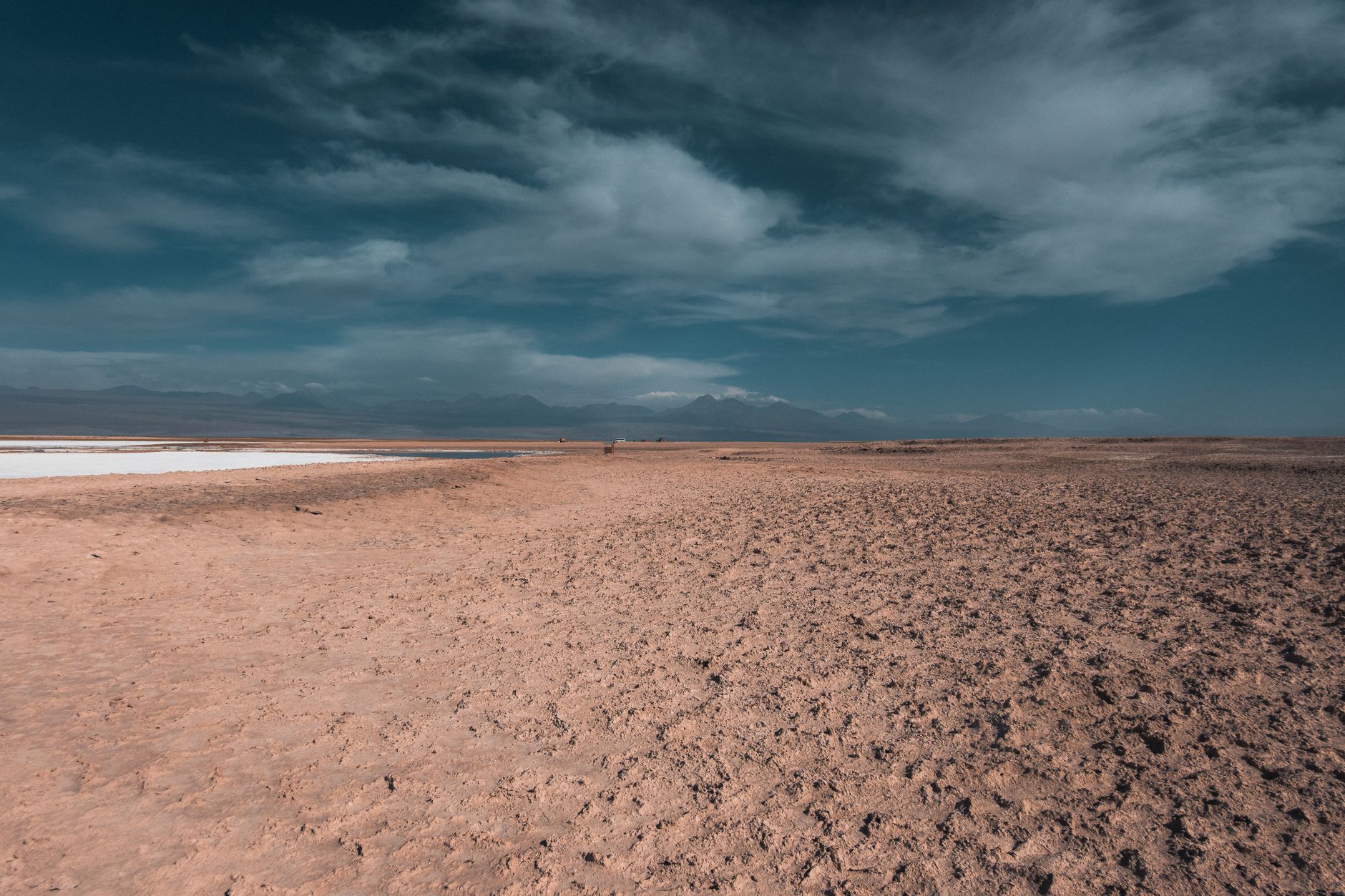
It is not often that the Atacama Desert, one of the driest places on Earth, finds itself dressed in a white coat. Yet, on the 26th of June, this parched expanse in Chile was covered in snow, an event so rare it has left meteorologists and locals alike in astonishment.
The Atacama, known for receiving less than 50 millimetres of rain annually—and in some regions, as little as 1-3 mm—witnessed a weather phenomenon not seen in over a decade. The unexpected snowfall was captured by NASA's Earth Observatory, revealing a surreal transformation of the typically arid landscape.
Why This Matters
For a region accustomed to extreme dryness, this blanket of snow is a remarkable deviation from the norm. The snow even reached the ALMA Observatory, perched at 2,900 metres above sea level, disrupting operations temporarily. Such weather anomalies are not merely curiosities; they provide crucial insights into climate patterns and the potential impacts of climate change.
The Atacama's sudden transformation has prompted scientists to consider how global climatic shifts might be influencing weather in some of the most arid regions of the world. While snow in the Andes is not unheard of, its appearance in the desert itself is noteworthy, suggesting significant atmospheric changes.
Local Reactions and Scientific Interest
Locals, who rarely see precipitation in any form, were both amazed and delighted by the snow. However, the scientific community is equally intrigued, eager to study the atmospheric conditions that led to such an anomaly. Researchers are particularly interested in understanding whether this event is a harbinger of more frequent changes or an isolated incident.
As the snow melts, the Atacama will return to its characteristic dryness. But the memory of this rare snowfall will linger, serving as a reminder of the planet's ever-changing climate dynamics.