Rare Transmissible Cancer Discovered in Freshwater Fish
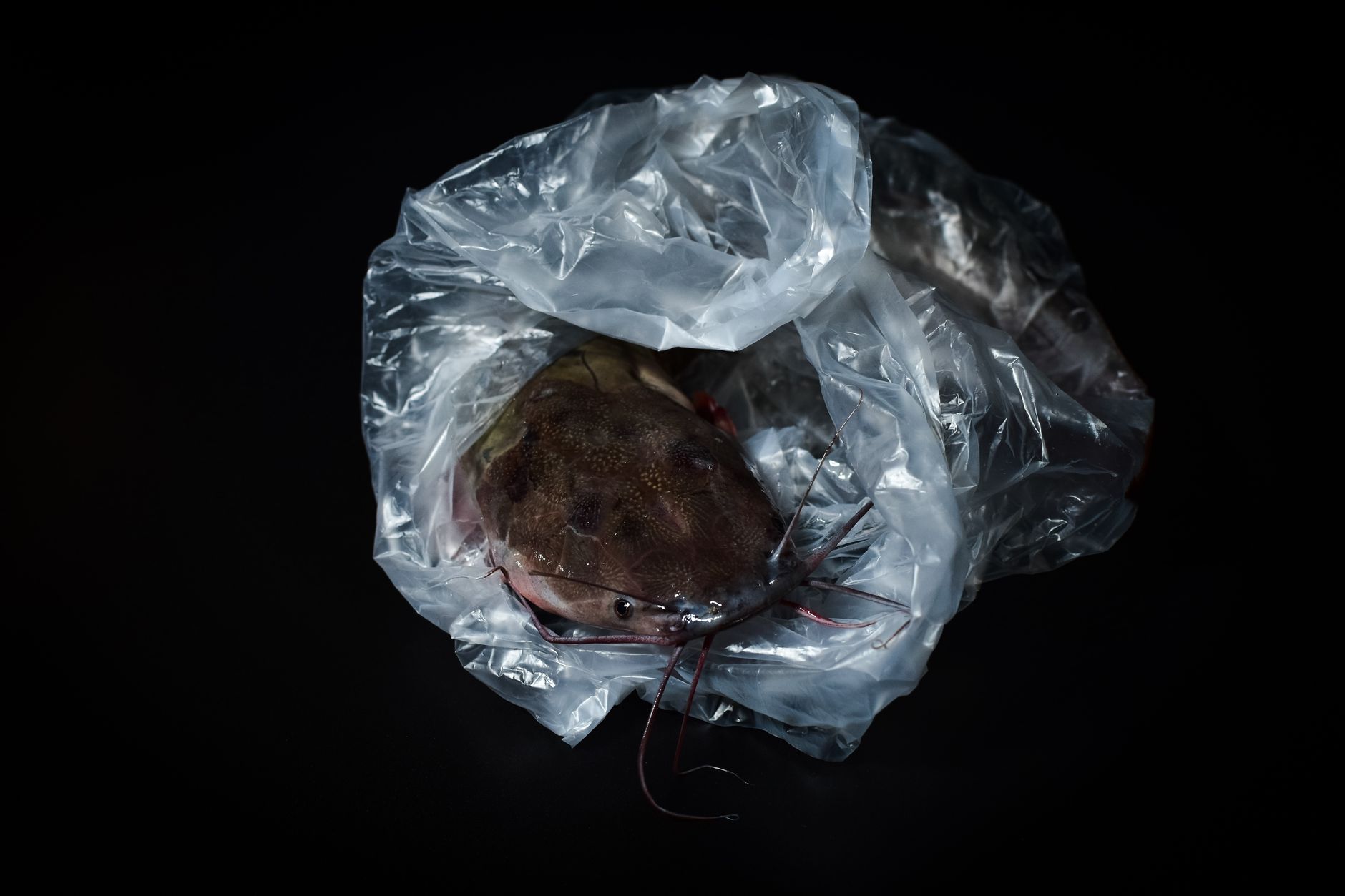
In a quiet corner of Vermont, a scientific revelation has illuminated a new frontier in cancer research. Researchers examining catfish with peculiar black lesions have uncovered a startling truth: the lesions are not merely a benign anomaly, but rather a transmissible form of melanoma skin cancer. This discovery marks the fourth known instance of transmissible cancer in the animal kingdom and the first ever documented in a fish.
Transmissible cancers, which spread from one animal to another, are a rarity. This newly discovered cancer challenges the conventional understanding of how diseases proliferate in aquatic environments. Previously, such cancers were only known to occur in dogs, Tasmanian devils, and soft-shell clams.
A Curious Case of Contagion
Unlike typical cancers, transmissible cancers behave more like parasitic infections. They are passed between individuals, posing intriguing questions about their evolutionary origins and mechanisms. The Vermont catfish, residing in freshwater ecosystems, present a unique case for scientists. The ecological implications are as significant as the medical ones, prompting researchers to question how environmental factors might contribute to such diseases.
The implications of this discovery extend beyond the confines of scientific curiosity. Understanding how this cancer propagates could provide insights into controlling its spread, safeguarding both biodiversity and fisheries.
Ecological and Evolutionary Implications
Ecologists often speak of Rabinowitz’s “seven forms of rarity” when considering the distribution and prevalence of such diseases. The catfish's habitat might hold clues to understanding why this transmissible cancer emerged here and not elsewhere. The rarity of this cancer type underscores the importance of ecological context in studying disease dynamics.
The discovery serves as a stark reminder of the complexities of ecological systems and the unforeseen challenges they may harbour. As scientists delve deeper into the mystery, the world watches with bated breath, hoping for answers that could illuminate broader truths about life, disease, and the delicate balance of nature.