RBI's Strategic Move to Enhance Monetary Stability
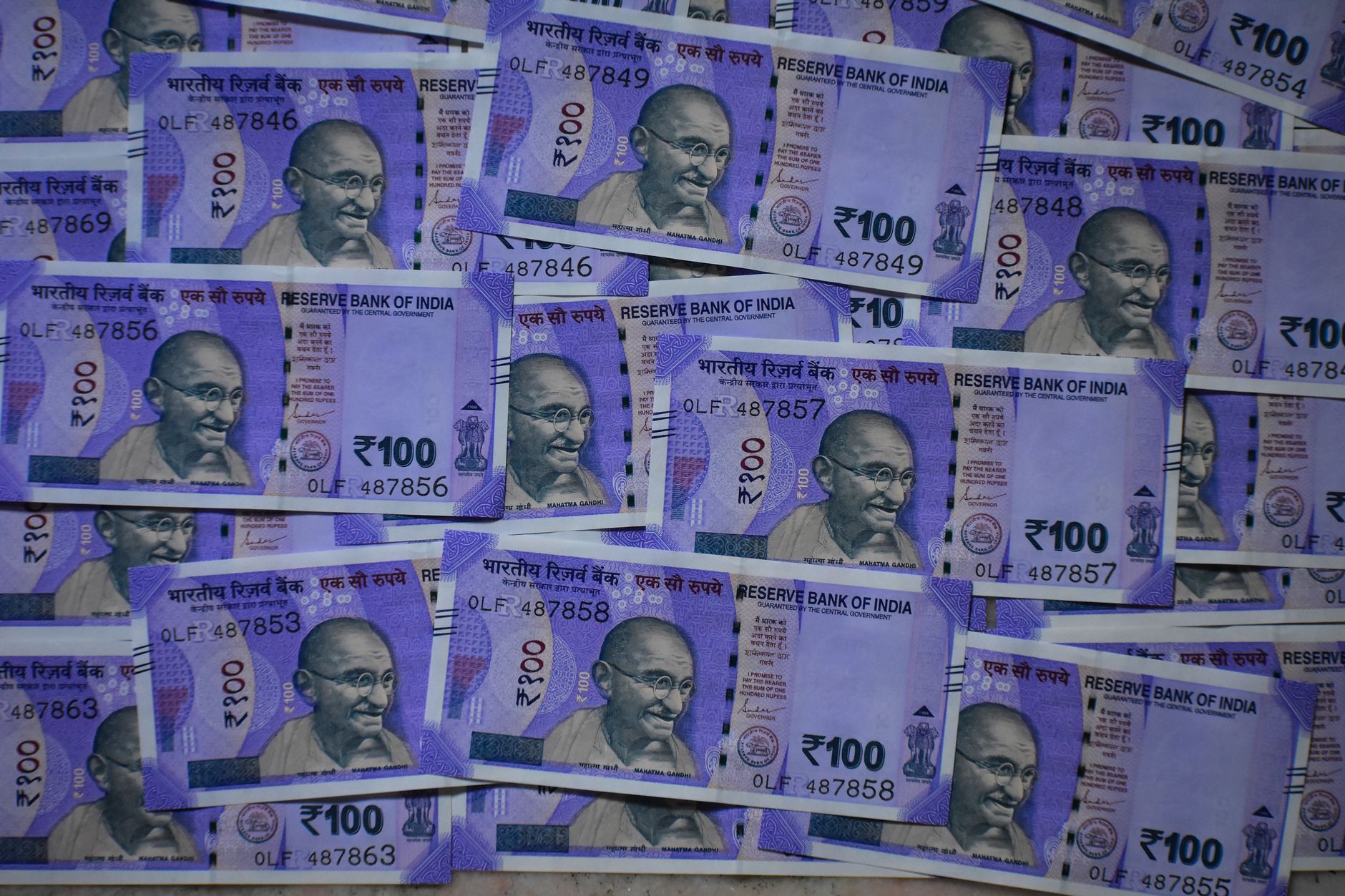
In a calculated manoeuvre, the Reserve Bank of India (RBI) has unveiled a suite of strategic initiatives designed to fortify monetary stability across the nation. These measures are intended to tighten the regulation of banknote issuance and enhance the management of reserves, aligning with the central bank's broader mandate to secure a stable currency and credit system for the country.
The announcement comes at a time when global economic uncertainties loom large, underscoring the importance of proactive fiscal management. By refining its approach to currency regulation, the RBI aims to shield the Indian economy from external shocks, ensuring that the financial system remains resilient amidst global financial turbulence.
Historically, the RBI has played a pivotal role in steering the economic ship through troubled waters. This latest development is a testament to its unwavering commitment to safeguard India's economic interests. By maintaining a delicate balance between growth and stability, the central bank not only seeks to curb inflation but also to stimulate sustainable economic growth.
Experts suggest that these measures could have far-reaching implications for the financial market, potentially influencing interest rates and lending practices. The RBI's proactive stance could serve as a model for other central banks grappling with similar challenges.
The Broader Implications
This initiative is more than just a regulatory adjustment; it is a strategic endeavour to reinforce confidence in India's economic framework. The RBI's efforts to stabilise the currency and credit system reflect a deep-seated understanding of the complex interplay between domestic policies and international economic trends.
As the world watches, the RBI's actions will likely be scrutinised for their efficacy in delivering tangible economic benefits. This move, if successful, could set a precedent for how emerging markets handle monetary policy in an increasingly volatile global economy.