Record-Breaking Young Planet Offers Clues to Cosmic Origins
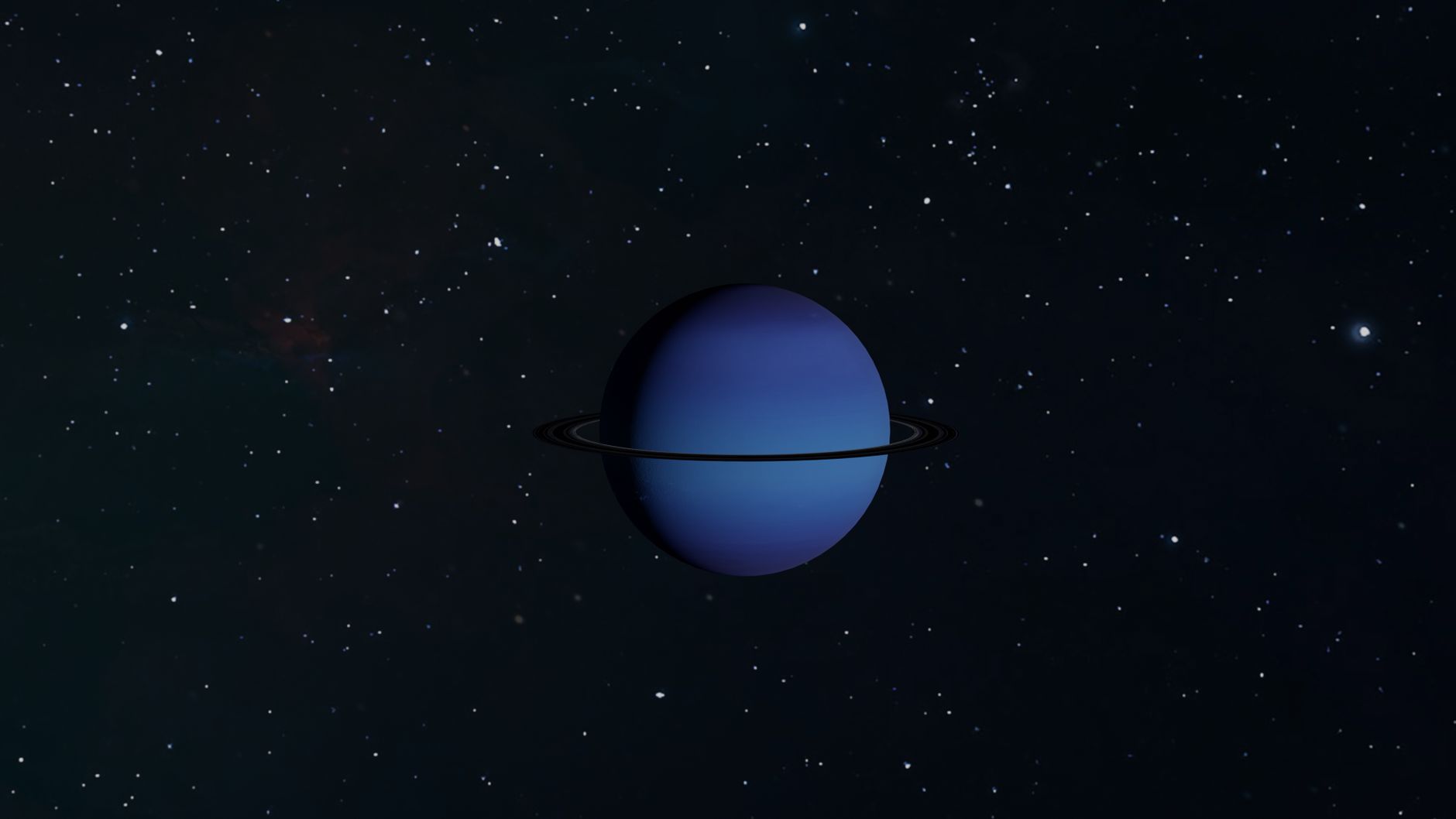
In a cosmic nursery 450 light-years from Earth, a new celestial infant has emerged, capturing the attention of astronomers worldwide. This recently discovered exoplanet, orbiting the star Elias 2-24, has been heralded as the youngest known planet, offering a fascinating glimpse into the early stages of planetary formation. As massive as Jupiter, this planetary fledgling provides an unprecedented opportunity for scientists to study the origins of worlds in their infancy.
The discovery, announced by NASA, highlights the exoplanet's potential to illuminate the mysteries of our own solar system's past. Situated in a region often referred to as a 'construction zone,' Elias 2-24 and its planetary offspring are akin to a time machine, transporting scientists back billions of years to a period when our own planet was in its formative stages.
Unravelling the Secrets of Planetary Birth
For decades, astronomers have sought to understand the mechanisms behind planetary formation. This newfound 'baby' planet could hold the key to unlocking these secrets. By observing its interactions with its parent star and the surrounding protoplanetary disc, researchers hope to gain insights into the processes that eventually lead to the creation of a fully-fledged planetary system.
The planet's massiveness, comparable to that of Jupiter, adds another layer of intrigue. Such substantial size at such an early stage suggests rapid accretion of material from its surroundings, a process that remains poorly understood. The scientific community is eager to learn how such a vast body could form so swiftly, potentially rewriting existing theories of planet formation.
A Window into Our Cosmic Past
This discovery is not merely an astronomical curiosity; it holds profound implications for our understanding of the universe. By studying Elias 2-24 and its youthful companion, scientists can draw parallels with our solar system, offering clues about the conditions that may have prevailed when Earth and its neighbours were similarly nascent.
With advanced telescopes and sophisticated modelling techniques at their disposal, astronomers are poised to delve deeper into these celestial archives. Each observation could shed light on the dynamic processes that shape planets, influencing everything from their chemical composition to potential habitability.
As the universe continues to unveil its secrets, the discovery of this 'baby' planet serves as a reminder of the endless wonders that await us in the vast expanse of space. While the journey to understanding our cosmic origins is far from complete, milestones such as this move us ever closer to unravelling the mysteries of planetary genesis.