Reflecting on 2017: The World When F1 Last Raced in Malaysia
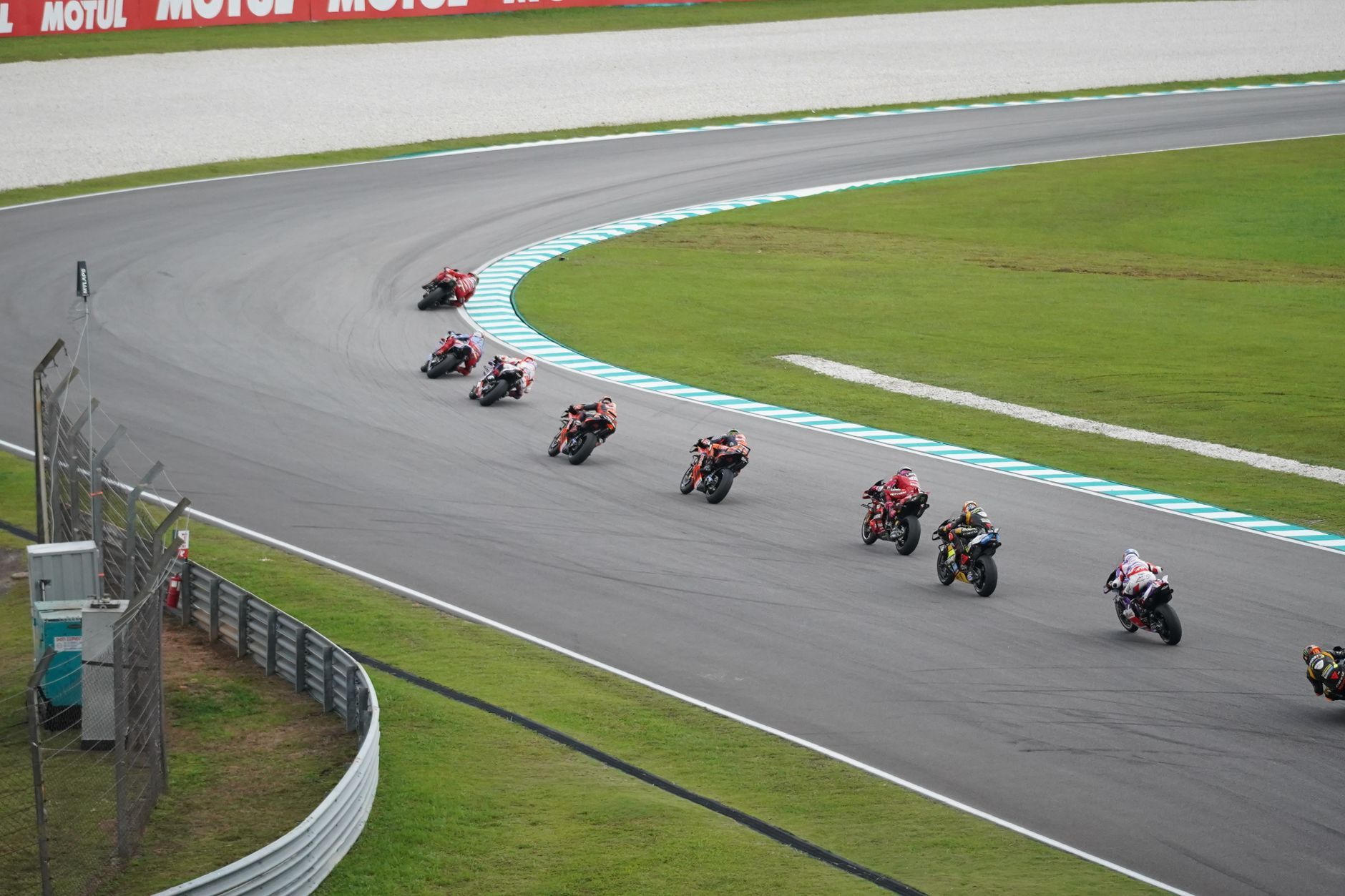
When the engines roared at the Sepang International Circuit on 1 October 2017, it marked the end of an era for Malaysia in the world of Formula 1. Max Verstappen clinched the victory, steering his Red Bull to triumph over Lewis Hamilton and Daniel Ricciardo. The race, however, wasn't just about the thrill on the track; it was a snapshot of a world grappling with significant changes.
In the realm of global politics, the UK was knee-deep in Brexit negotiations. The uncertainty of the UK's future relationship with the European Union cast a long shadow over the political landscape, affecting markets and policy-making on both sides of the Channel.
Meanwhile, across the globe, North Korea's missile tests were heightening tensions, with rhetoric escalating between Pyongyang and Washington. The world watched with bated breath as two leaders traded barbs, raising fears of a potential conflict in the region.
On the cultural front, 'Game of Thrones' was the talk of the town. The series, famous for its unpredictable plot twists and dramatic character arcs, had captured the imagination of audiences worldwide. Its influence was felt not just in living rooms but in the broader cultural zeitgeist, inspiring countless debates and discussions.
Technological Shifts and Cultural Tides
2017 was also a year of significant technological advancements. The iPhone X, with its revolutionary design, debuted, setting a new standard in mobile technology. Social media continued its inexorable rise, shaping how people consumed news and interacted with the world.
As Malaysia gears up to host the Formula 1 once more in 2026, it's worth contemplating how much the world has transformed since that last race. New challenges and opportunities have emerged, yet the allure of Formula 1 remains an enduring constant, drawing fans from all corners of the globe to witness the spectacle of speed and skill.