Reimagining Education: Tackling Climate Risks and Disasters
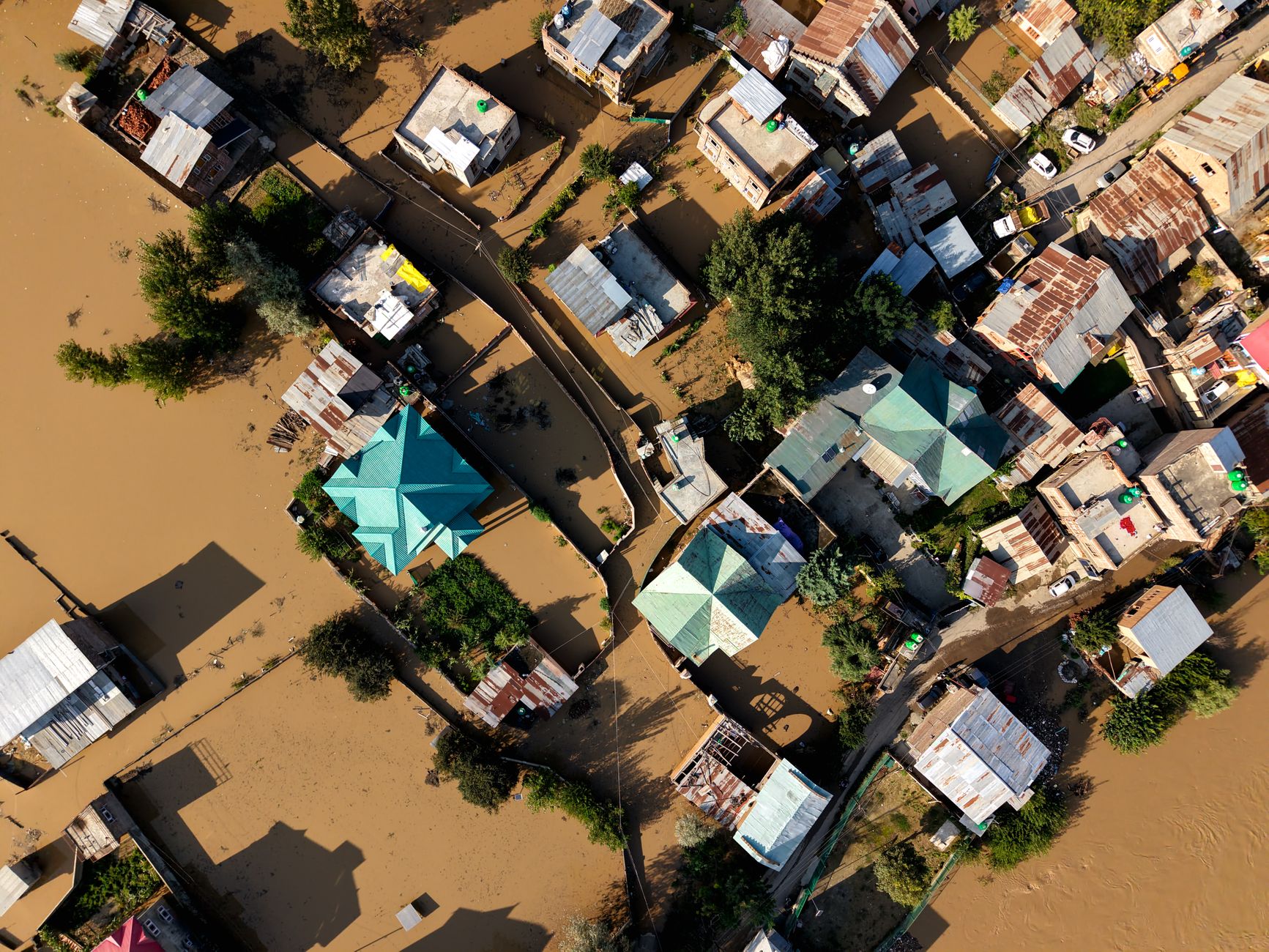
The classroom, once a sanctuary from the outside world, now finds itself on the front lines of a global battle against climate change and natural disasters. As these threats intensify, the education sector must transform to shield its most vulnerable members—students and teachers—from the brunt of nature's fury.
Building Resilience in Schools
In recent years, the vulnerability of school infrastructure has been laid bare. Earthquakes, floods, and storms disrupt education systems, causing significant setbacks. As a response, many countries are adopting disaster risk reduction (DRR) strategies. These involve not just strengthening physical structures but also ingraining a culture of preparedness among students and staff.
Organisations like UNESCO are at the forefront of this movement, advocating for green and safe learning environments. The development of climate-resilient school infrastructure is seen as a crucial step towards ensuring educational continuity even in the face of calamity. The goal is to create spaces that not only withstand nature's challenges but also teach students valuable lessons in sustainability and resilience.
Educating for a Sustainable Future
Beyond bricks and mortar, the curriculum itself is undergoing a transformation. Educators are revisiting teaching methodologies to incorporate lessons on climate and disaster management. The emphasis is on fostering a mindset that values sustainability and proactive engagement with environmental issues. Pedagogical approaches such as 'co-learning' encourage students to take an active role in their education, promoting a deeper understanding of the challenges ahead.
Moreover, governments and NGOs are increasingly focusing on education as a tool for long-term change. By integrating lessons on climate risks and disaster preparedness into the educational framework, they hope to cultivate a generation capable of addressing and mitigating these issues.
The journey towards a resilient education system is complex and fraught with challenges. However, the stakes are high, and the potential benefits enormous. By embracing a holistic approach that combines infrastructure, curriculum, and community engagement, the education sector can hope to shield its future from the unpredictable whims of nature.