Resurrecting the Woolly Mammoth: A Step Closer to Reality
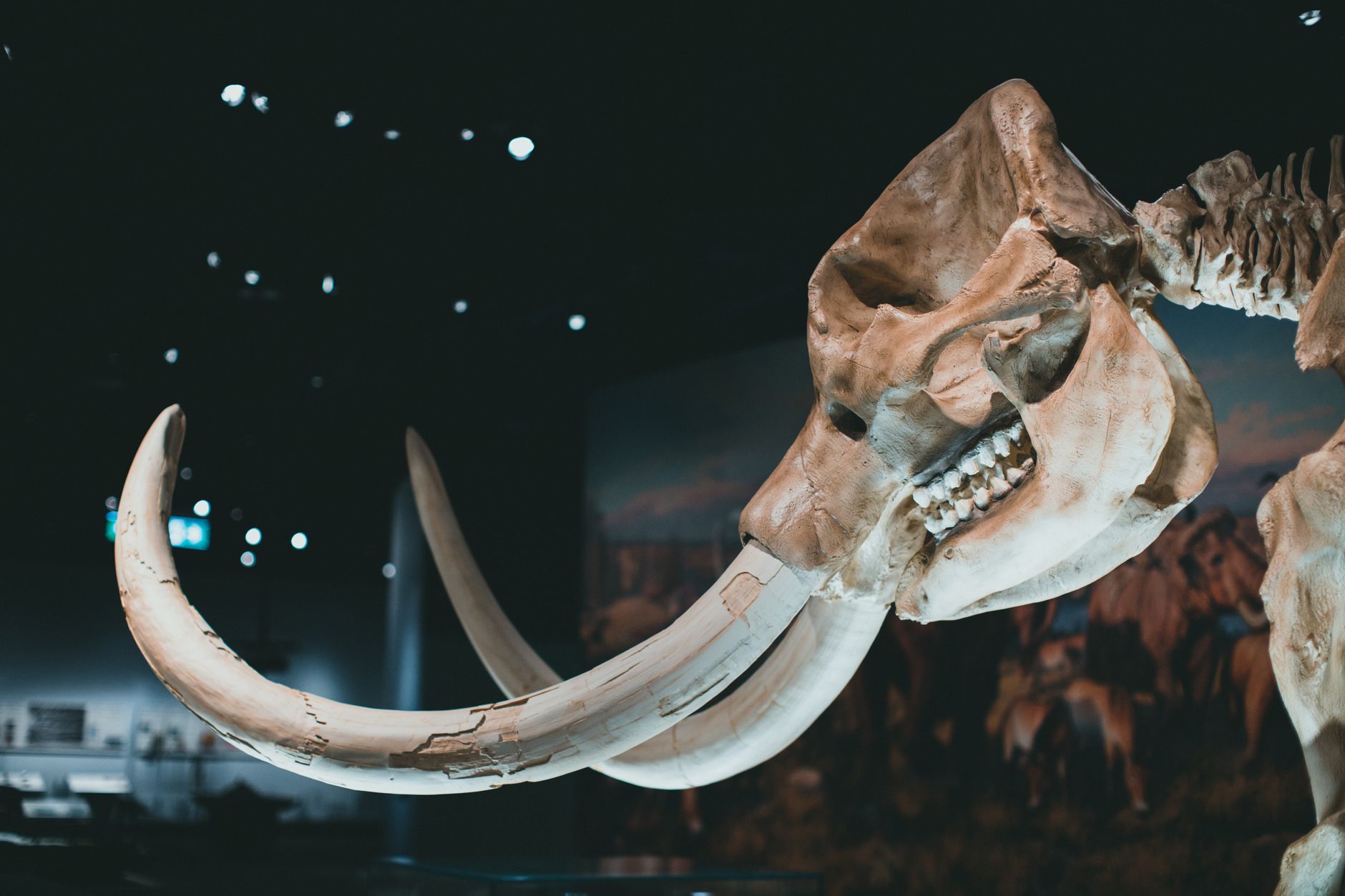
As the Arctic winds sweep across Siberia's vast permafrost, a team of scientists is venturing into uncharted territory. Their mission? To breathe life into the woolly mammoth, an Ice Age behemoth that has been extinct for thousands of years. This ambitious project, driven by researchers in Japan and Russia, seeks to blend the genetic makeup of the ancient mammoth with its closest living relative, the Asian elephant.
The concept is straightforward: extract DNA from the remarkably preserved mammoth specimens unearthed from the icy depths and splice it with the genetic material of elephants. The aim is to engineer a creature capable of surviving in harsh, cold environments, much like its prehistoric ancestor. However, the path from concept to reality is fraught with scientific and ethical challenges.
The Role of Modern Science
At the heart of this endeavour lies genetic engineering, a field that has seen significant advancement in recent years. The CRISPR-Cas9 gene-editing technology, which allows for precise alterations to DNA, plays a pivotal role in this process. By identifying and editing key genetic traits, researchers hope to recreate the distinctive features of the mammoth, such as its shaggy coat and thick layer of fat.
Yet, even with these technological strides, scepticism abounds. Critics argue that the biological complexities involved in reviving an extinct species render the project overly ambitious, if not implausible. The challenges of successful cloning, development, and eventual survival of the offspring remain substantial hurdles.
Environmental and Ethical Considerations
Beyond scientific hurdles, the ethical implications of such de-extinction efforts invite scrutiny. While proponents argue that bringing back the mammoth could help restore Arctic ecosystems and combat climate change, detractors warn of unintended ecological consequences. Moreover, the welfare of the genetically engineered animals raises moral questions.
Despite these concerns, the project has reignited public interest and debate about the possibilities and responsibilities of genetic science. It serves as a testament to human curiosity and the relentless pursuit of knowledge, as well as a reminder of the delicate balance between innovation and ethics.
As scientists continue their work, the world watches with bated breath. Whether the woolly mammoth will once again roam the Earth remains uncertain, but the endeavour itself marks a remarkable chapter in the annals of science.