Rethinking Maps: Africa's Place in Global Perception
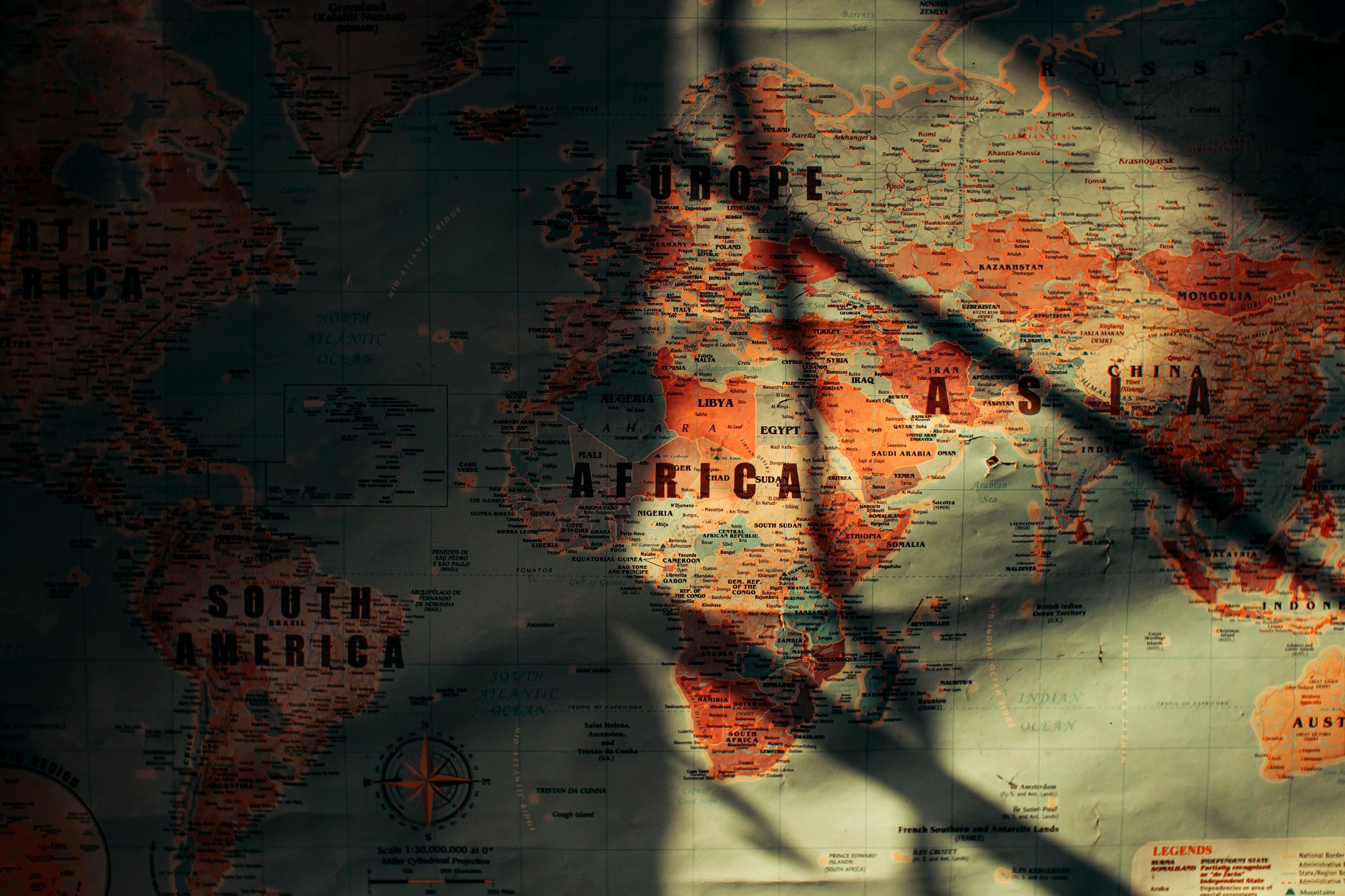
In a world where the map can shape perception as much as the ground it depicts, the Mercator projection has long stood as an emblem of imbalance. Developed in 1569 to aid European navigation, this cartographic tool has inadvertently skewed our view of the world, particularly diminishing the vastness of Africa. While Greenland looms large, appearing nearly the same size as Africa, the reality is starkly different: Africa is 14 times larger.
The United Nations has finally taken a step to address this misrepresentation. A new resolution calls for the adoption of a world map that more accurately reflects the true scale of continents. This shift aims to correct the 'symbolic minimisation' of Africa, a continent whose rich history and cultural significance have too often been overshadowed by distorted cartographic depictions.
The Politics of Perception
Maps are not merely tools of navigation; they are potent symbols that shape our understanding of place and power. The Mercator projection, by enlarging regions closer to the poles and shrinking those near the equator, has perpetuated a Eurocentric worldview. This distortion has had tangible effects, influencing everything from educational narratives to media portrayal, subtly reinforcing outdated geopolitical hierarchies.
In this context, the UN's resolution is more than a geographical correction; it's a political statement. It recognises that the way we depict our world can have profound implications for how we engage with it. By advocating for a 'fair map', the resolution seeks to foster a more balanced global perspective, one that does justice to the diverse landscapes and societies that shape our planet.
Implications for the Future
The campaign for cartographic reform has gained momentum, driven by a Pan-African movement that seeks to reclaim Africa's rightful place in the global narrative. The new map could play a crucial role in reshaping educational materials and media portrayals, ensuring that future generations grow up with a more accurate understanding of the world.
Ultimately, this initiative is about more than maps; it's about challenging the narratives that have long dictated our understanding of global dynamics. By redrawing the lines, both literally and figuratively, the world has an opportunity to move towards a more equitable understanding of its own geography.