Revolution in Computing: DNA Powers Calculations in Water Droplet
In a laboratory tucked away in the serene campus of Maynooth University, a revolution is quietly taking place. A team of enterprising scientists has unveiled a DNA-powered computer, capable of performing intricate calculations within a mere drop of water. This innovation, published in the prestigious journal Nature, marks a significant leap in the field of molecular computing.
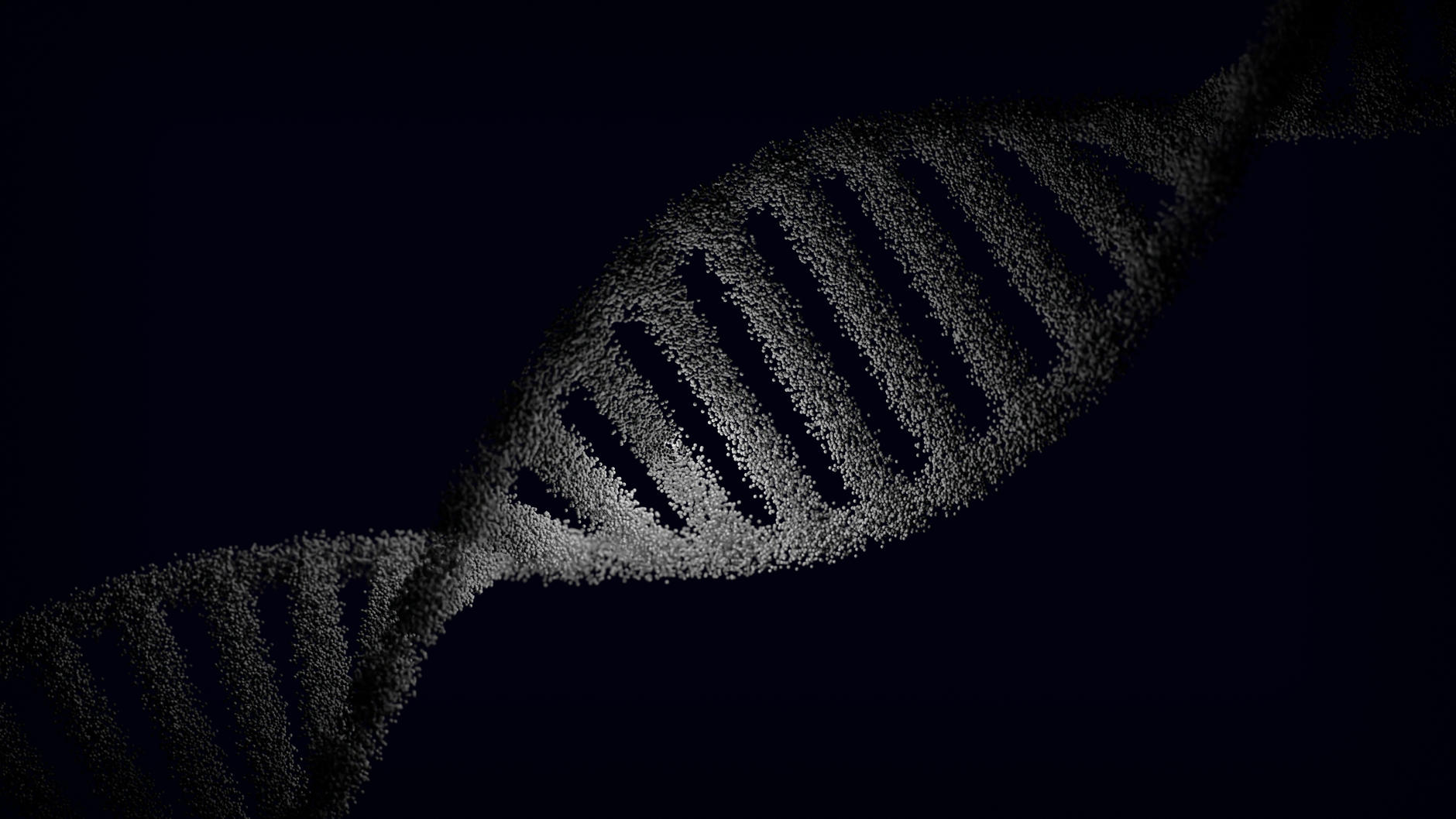
The DNA computer operates by harnessing the natural molecular interactions of DNA strands. Researchers have ingeniously used a combination of short DNA sequences and a longer DNA scaffold to perform 100-bit calculations, all housed within a tiny test tube containing a simple saline solution. The implications of such technology are vast, hinting at a future where computing could become more energy-efficient and compact.
Unlike conventional computers that rely on electrical circuits, this DNA computer uses biochemical reactions to process information. This not only reduces the energy consumption significantly but also opens the door to computing paradigms that can be deployed in environments where traditional electronic computers might falter, such as within the human body or in remote, resource-scarce locations.
A New Era of Computing
While the concept of DNA computing is not entirely new, the ability to perform multiple calculations in succession without error is a notable advancement. The research team demonstrated the computer's robustness by successfully executing up to 25 different calculations in a single sequence. This level of reliability is crucial for practical applications, where errors could have significant repercussions.
Professor John O'Brien, who led the research, remarked on the potential of this technology to transform industries ranging from medicine to information technology. "Our work demonstrates the feasibility of using DNA to perform complex computations, which could lead to the development of bio-computers that are more sustainable and adaptable than current technologies," he explained.
The Road Ahead
Despite the promising results, the road to widespread adoption of DNA computing is not without challenges. Issues such as scalability, cost, and integration with existing systems need to be addressed. However, the groundwork laid by the Maynooth team provides a solid foundation for future explorations.
As researchers around the world take note of these developments, the age-old question of how we compute is poised for a radical rethink. Whether DNA will supplant silicon as the backbone of computing remains to be seen, but what is clear is that the boundaries of what is possible are continually expanding, much like the universe itself.