
Revolutionary Armour Shields Satellites from Space Debris
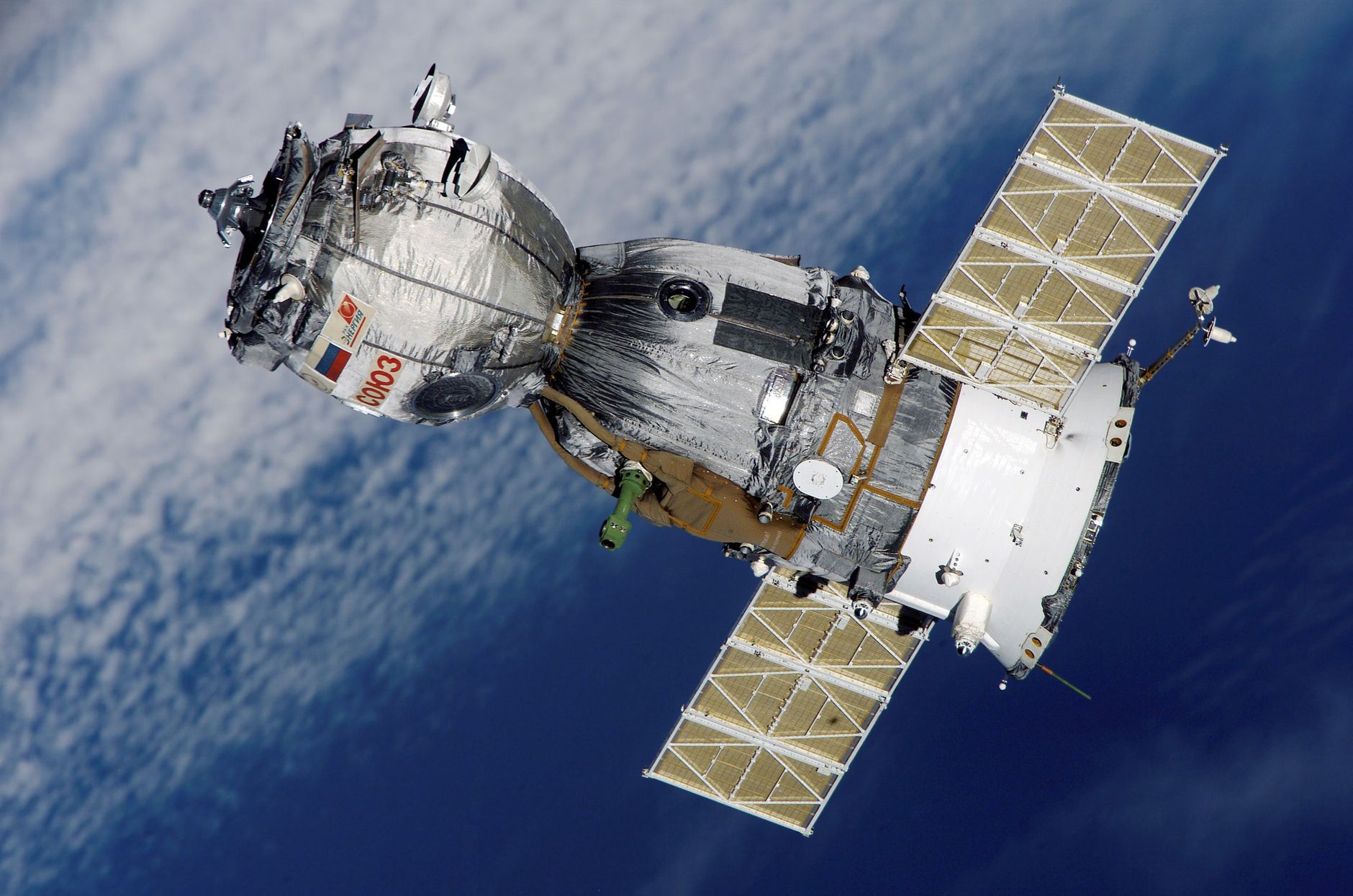
In the vast expanse of space, where silence reigns supreme, a burgeoning threat looms ever larger: space debris. With the European Space Agency reporting a more than twofold increase in orbital rubbish since 2017, the skies are becoming perilously cluttered. This exponential rise poses a significant risk to the myriad satellites that form the backbone of our global communications, navigation, and surveillance systems.
To address this issue, scientists have unveiled a new type of armour designed to shield satellites from the dangerous dance of debris. This cutting-edge technology comes at a crucial juncture, as the proliferation of satellites—particularly those in low Earth orbit—continues unabated.
A Necessary Defence
The concept of armouring satellites is not entirely novel, yet the urgency for effective solutions has never been greater. The new armour, developed through collaboration between leading aerospace engineers and materials scientists, promises enhanced protection against collisions. By employing advanced materials capable of withstanding high-velocity impacts, this innovative armour could be a game-changer for space exploration and satellite longevity.
With over 10,000 Starlink satellites alone currently traversing the heavens, the potential for catastrophic collisions is an ever-present concern. The new armour seeks to mitigate these risks, allowing satellites to continue their vital operations uninterrupted.
Implications for the Future
As humanity's reliance on space-based technology grows, the stakes are higher than ever. Satellites facilitate everything from weather forecasting to global positioning systems and even international security. Ensuring their operational integrity is paramount.
Moreover, this technological breakthrough has broader implications for the future of space exploration. By potentially extending the lifespan of satellites, the cost-effectiveness of space missions could be significantly improved. As NASA and other space agencies look to extend the life of valuable spacecraft, innovations like these offer a promising avenue.
In conclusion, while the heavens may be vast, they are not infinite in their capacity to accommodate human endeavours. As we continue to explore and exploit this final frontier, protecting our celestial assets with robust defences is not just prudent—it is imperative.


