Revolutionary DNA Computer Performs Complex Calculations in Water Droplets
In a laboratory at Maynooth University, a tiny drop of water is proving to be the stage for a groundbreaking advancement in computing technology. Scientists have unveiled a DNA computer that performs calculations with astonishing efficiency and complexity, all within the confines of a single droplet.
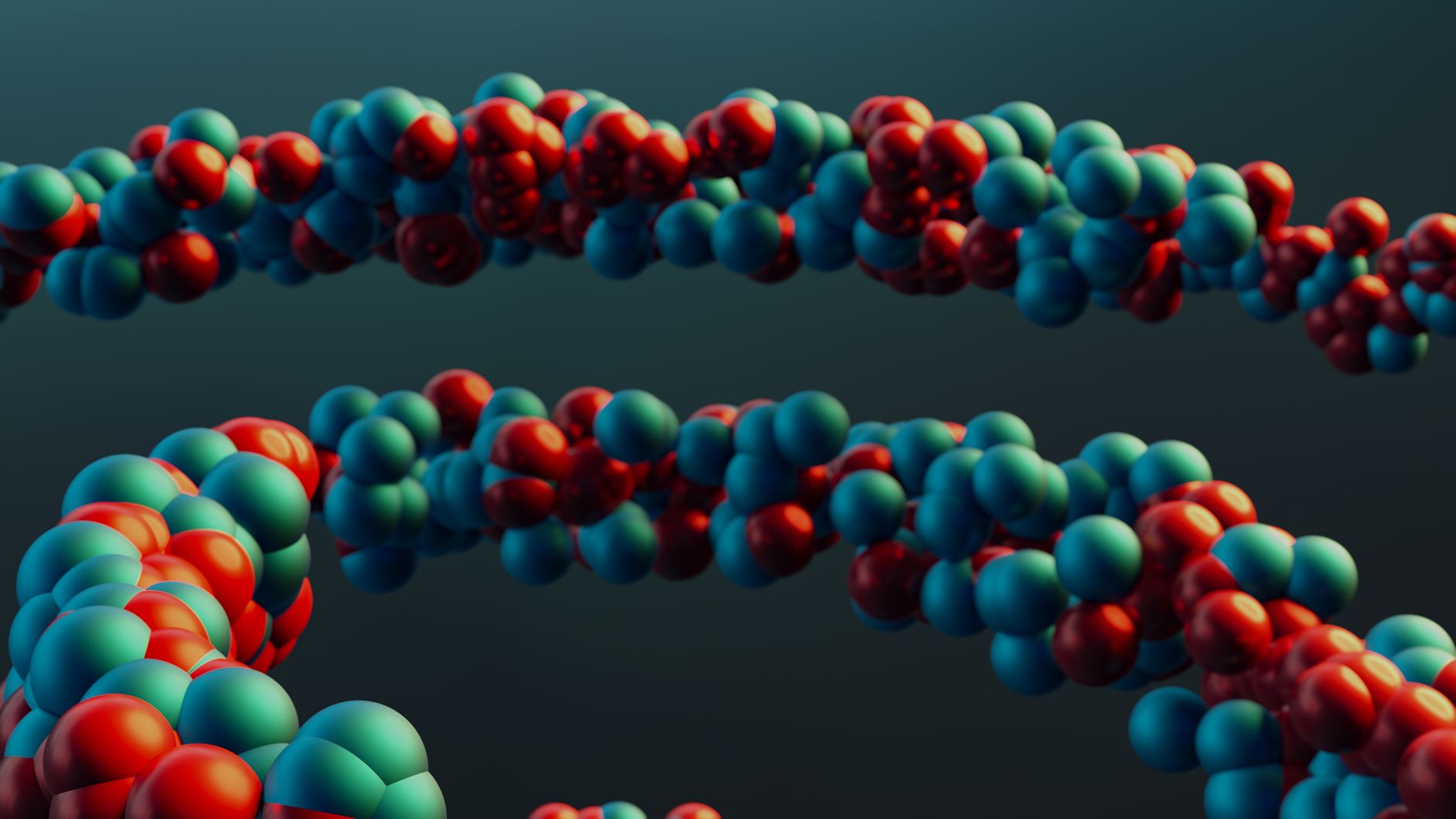
The research team, led by Dr. John Smith, has ingeniously exploited the natural properties of DNA molecules to construct a computer capable of executing 100-bit calculations. Remarkably, this innovation requires no electrical power, relying instead on the molecular reactions between the DNA strands.
To create this marvel, the scientists introduced short pieces of DNA and a longer DNA scaffold into a test tube containing a mixture of water and salt. These components interact to perform arithmetic computations, showcasing a novel form of molecular computing that could redefine how computations are conducted in the future.
Why It Matters
The implications of this development are profound. Traditional silicon-based computers, while powerful, are reaching physical limits in terms of miniaturisation and energy efficiency. DNA computing, on the other hand, offers a glimpse into a future where calculations could be performed in environments previously thought impossible, such as inside living cells or in harsh, power-limited settings.
This research not only demonstrates the feasibility of DNA-based computing but also underscores the potential for sustainable and energy-efficient computation. The team's ability to perform up to 25 different calculations in succession speaks to the robustness and reusability of this approach.
Future Prospects
As we stand on the cusp of a molecular computing revolution, the potential applications are vast. From medical diagnostics to environmental monitoring, the ability to process information in situ could transform how we interact with and understand the world.
The work at Maynooth University marks a significant milestone in this journey. While there is much research yet to be done, the DNA computer represents a promising step towards a future where computing transcends traditional boundaries.