Revolutionary Map Projection Offers a New Global Perspective
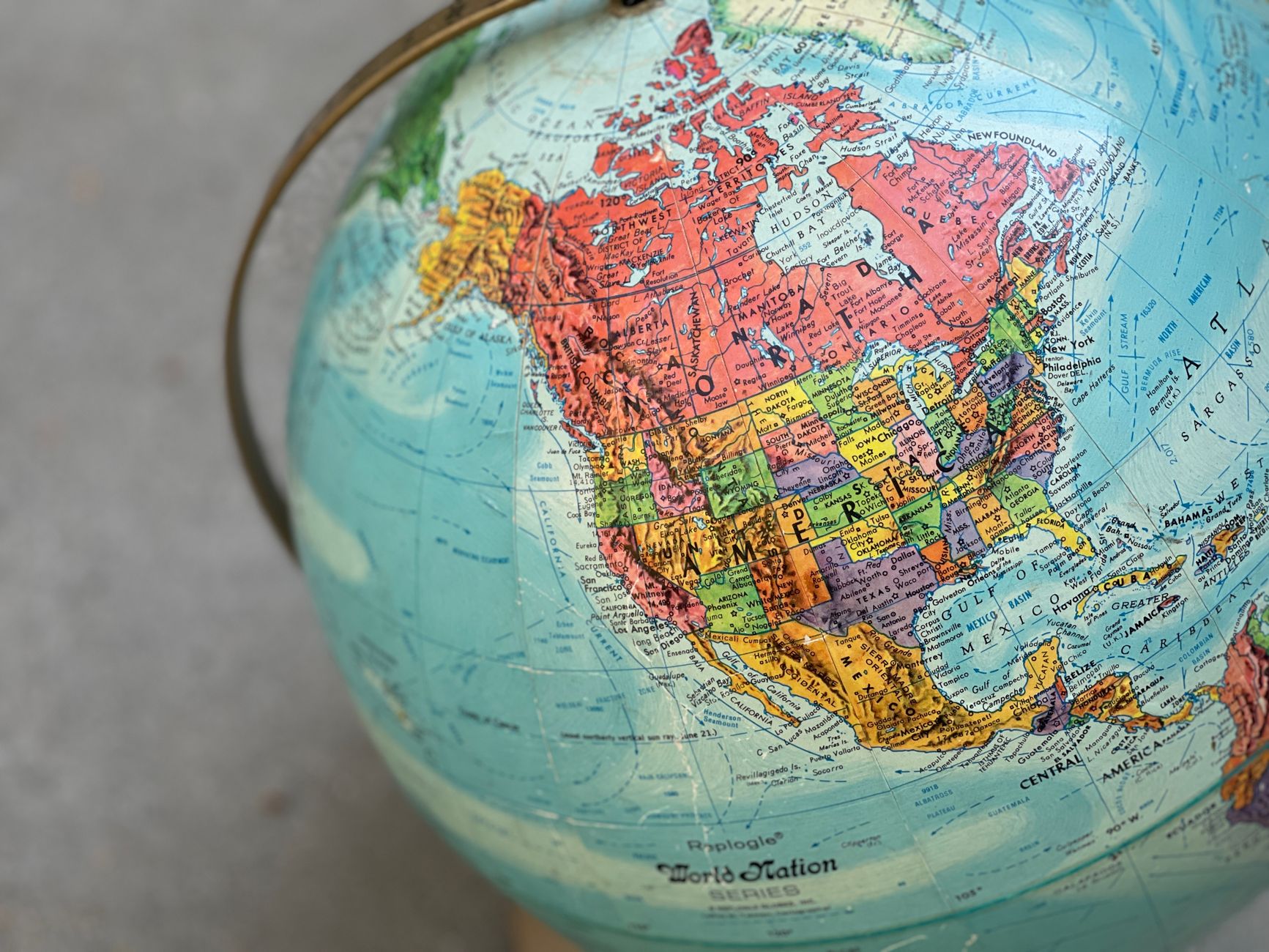
In a world where maps have long dictated our perception of geographical realities, a revolutionary cartographic innovation is poised to challenge the status quo. This new map projection, developed by geospatial technologist Alex Leith, promises to offer a more balanced representation of our planet, addressing longstanding issues of distortion inherent in traditional map-making.
For years, the Mercator projection has dominated classrooms and boardrooms alike, despite its well-documented flaws. By prioritising shape over area, it has led to a skewed understanding of the relative sizes of continents and countries. Greenland, for instance, appears comparable in size to Africa, when in reality, Africa is fourteen times larger. This new projection, however, seeks to rectify such misconceptions by offering a more equitable compromise between shape, area, distance, and direction.
A New Way of Seeing
The significance of this development extends beyond mere cartography. Maps shape our worldview; they inform our understanding of geopolitical dynamics, cultural significance, and even economic potential. A map that offers a more accurate depiction of the Earth's surface could influence everything from educational curricula to international policy-making.
Leith's innovation is not the first attempt to address the limitations of traditional map projections. However, it stands out for its ability to maintain a balance across the four fundamental principles without overly compromising any single aspect. This makes it a promising tool for educators and policymakers eager to present a more truthful picture of the world.
Potential Implications
As this map gains traction, it could herald a shift in how geography is taught and understood. Students may grow up with a more nuanced understanding of the world, reducing the biases that have long been entrenched through distorted maps. Additionally, global discussions on topics such as climate change and resource distribution might benefit from a more realistic spatial framework.
Ultimately, while no map can claim perfection, this innovative projection offers a refreshing perspective that could reshape our understanding of the world. As we continue to navigate an increasingly interconnected globe, the tools we use to represent it must evolve accordingly.