
Revolutionary Material Produces Hydrogen from Water
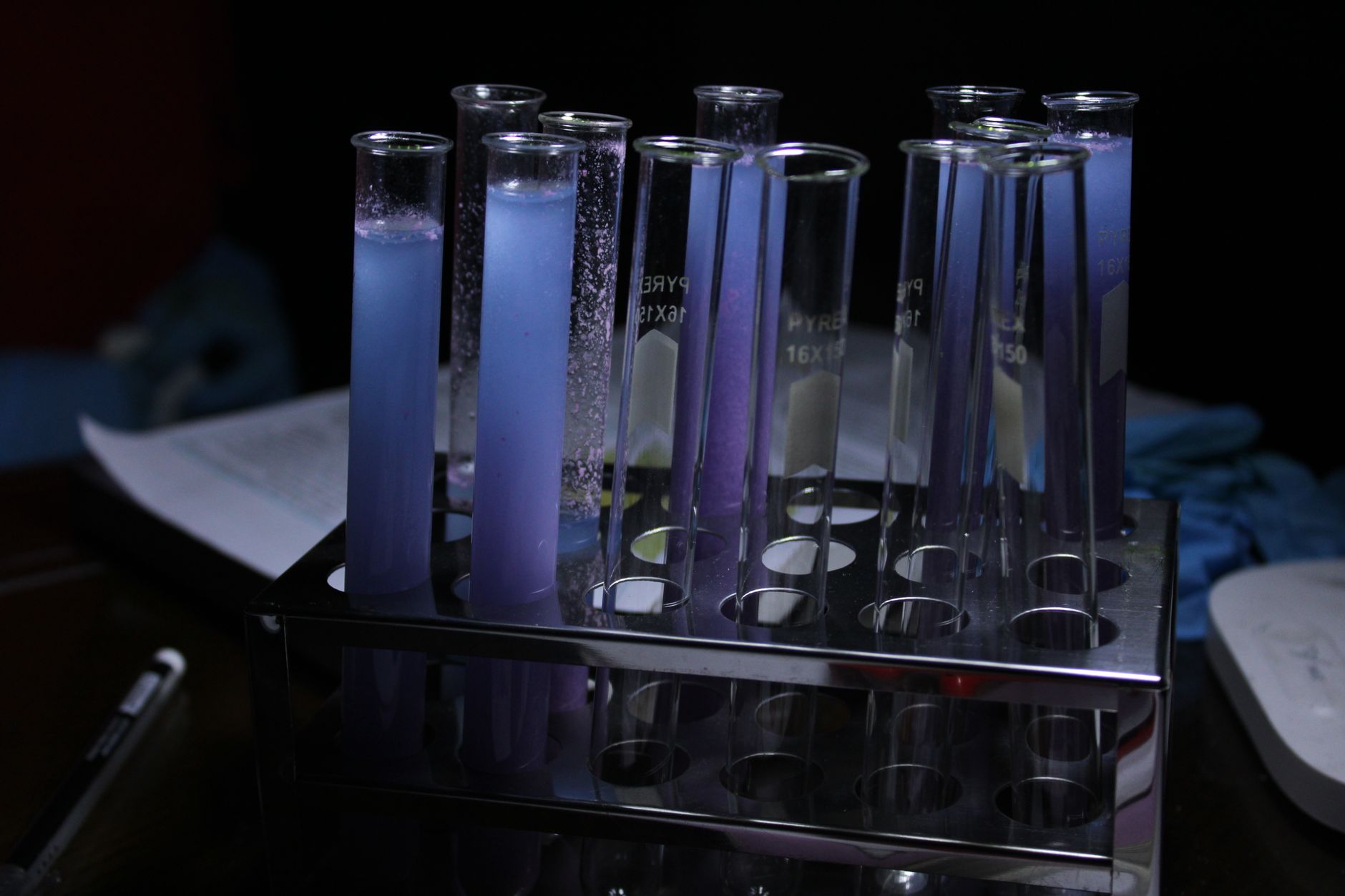
Hydrogen, often hailed as the fuel of the future, may soon shed its expensive manufacturing chains thanks to a novel material discovered by an international team of scientists. This new light-activated substance has the potential to revolutionise the way we produce hydrogen by eliminating the need for costly metal catalysts.
At the heart of this development is a sulphur-based chemistry that stands out for its efficiency and affordability. Unlike traditional methods that rely on natural gas and produce significant carbon emissions, this method uses sunlight and water as its primary ingredients, promising a cleaner process with zero emissions.
From Seawater to Hydrogen
Most hydrogen production today involves energy-intensive processes that contribute to greenhouse gas emissions. The conventional steam reforming of natural gas, while effective, is far from green. This new approach, however, can even utilise seawater, an abundant resource, to produce hydrogen. By employing this innovative material, scientists aim to make hydrogen a feasible and environmentally friendly alternative to fossil fuels.
Professor Bergens, a leading researcher on the project, highlighted the material’s potential: "Our goal was to find a method that not only produces zero emissions but also uses readily available resources. This breakthrough could bring us closer to a sustainable hydrogen economy."
Implications for the Future
The implications of this discovery extend far beyond mere cost savings. As countries worldwide strive to meet ambitious climate goals, the ability to produce hydrogen efficiently and sustainably could be a game-changer. Hydrogen, when used as a fuel, emits only water vapour, making it an attractive option for reducing reliance on fossil fuels.
While the technology is still in the developmental stages, the promise it holds is significant. By addressing the dual challenges of cost and carbon emissions, this research marks a crucial step towards a cleaner, more sustainable energy future. With further refinement and scaling, this method could become a cornerstone of global energy strategies.


