Revolutionising Construction: The Rise of 3D Concrete Printing
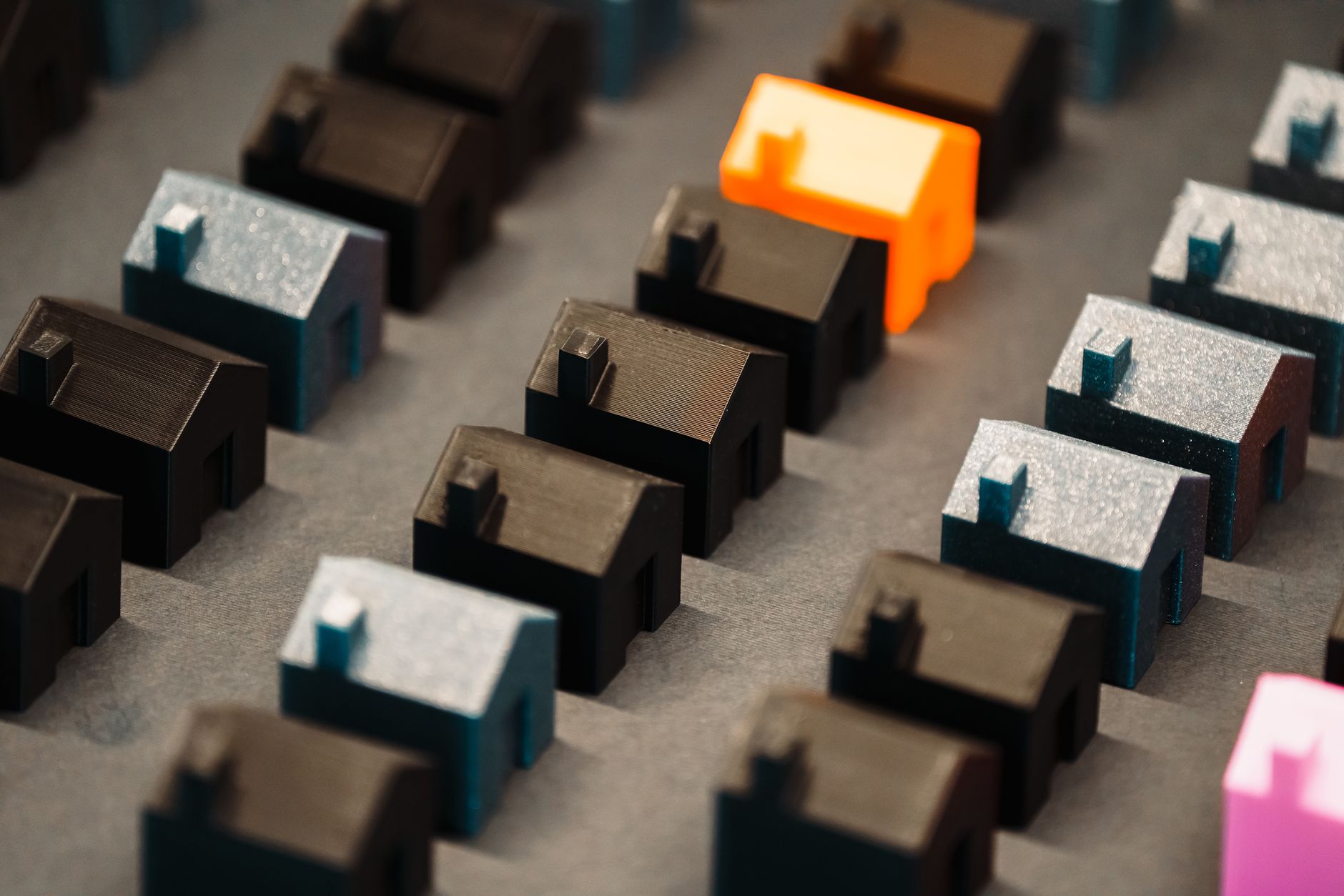
In the heart of the construction industry, a quiet revolution is brewing. Three-dimensional concrete printing, once a futuristic concept confined to research labs, is now making tangible waves in real-world applications. With the potential to dramatically reshape how we build, this technology is more than just an engineering marvel; it's a beacon of hope for sustainable development.
Gone are the days when construction sites were synonymous with noise, debris, and long timelines. Enter 3D concrete printing: a method that constructs structures by layering concrete based on digital blueprints. This approach not only reduces the reliance on traditional formwork but also slashes the requirement for skilled labour, which has been a persistent bottleneck in the industry.
The Advantages of Additive Construction
The benefits of 3D concrete printing are manifold. One of its most striking advantages is the reduction in material wastage. Traditional construction methods often result in significant excess material, contributing to environmental degradation. In contrast, the precision of 3D printing ensures that only the necessary amount of concrete is used, aligning perfectly with sustainable building practices.
Moreover, the speed of construction with 3D printing is remarkable. Projects that would typically take months can now be completed in weeks, and sometimes even days. This acceleration not only cuts costs but also alleviates the pressures of housing shortages, providing a rapid response to burgeoning urban populations.
Design Flexibility and Beyond
From an architectural standpoint, the design flexibility offered by 3D printing is unparalleled. Complex geometries and bespoke elements that were once deemed impractical or too costly are now within reach. This flexibility is not merely about aesthetics; it allows for innovative structural designs that optimise space and efficiency.
Yet, while the advantages are clear, the adoption of this technology is not without its challenges. Regulatory frameworks and standards are still catching up with the rapid pace of technological advancement. Moreover, the initial investment in 3D printing technology can be prohibitive for smaller firms.
Despite these hurdles, the momentum is undeniable. As more players enter the field and the technology becomes more accessible, the construction industry is on the cusp of a paradigm shift. The promise of reduced environmental impact, combined with cost-effective and efficient building processes, paints a promising picture for the future.