Revolutionising Construction: The Rise of 3D Concrete Printing
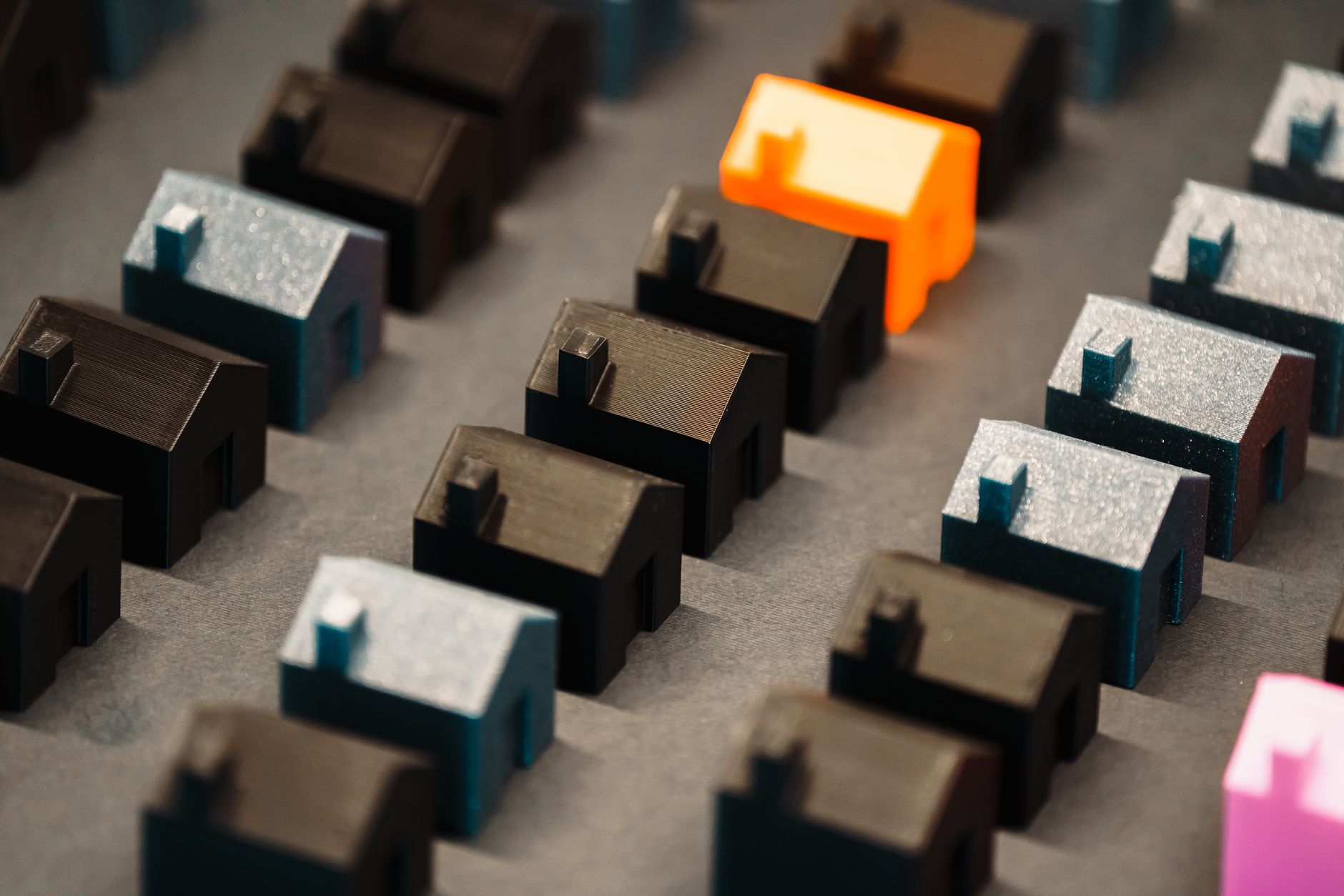
Imagine a world where constructing a house takes days instead of months, and costs are slashed significantly. This is not a scene from a futuristic novel, but a burgeoning reality thanks to 3D concrete printing technology.
The basic premise of 3D concrete printing is deceptively simple. A robotic system deposits layers of specially formulated concrete without the need for traditional timber or steel frameworks. This innovation not only speeds up construction but also reduces material waste significantly, making it an environmentally friendly alternative.
The Indian Context
India, with its vast rural populations and acute housing shortages, stands on the brink of a potential construction revolution. The use of 3D concrete printing for rural homes could drastically cut down on construction time and costs, offering a viable solution to the chronic housing deficit.
Currently, traditional building methods in rural India are often hampered by logistical challenges and material constraints. However, 3D printing eliminates many of these issues, allowing for rapid and efficient building processes even in remote areas.
Advantages and Challenges
The advantages of this technology are manifold. Speed and efficiency are its most lauded benefits, allowing entire structures to be erected in record time. Moreover, the precision of robotic systems ensures minimal material wastage, a crucial factor in sustainable development.
Yet, the path to widespread adoption is not without obstacles. Developing the perfect concrete mix that ensures durability and flexibility remains a significant challenge. Furthermore, there are regulatory hurdles to clear before 3D printed structures can become commonplace.
As researchers at The University of New Mexico have shown with their patented bendable concrete design, innovation in material science is pivotal. Such advancements hint at the vast potential of 3D concrete printing, yet also underscore the need for rigorous testing and standards.
In conclusion, while 3D concrete printing holds immense promise, its journey from novelty to norm will require concerted effort from engineers, policymakers, and innovators alike. As the technology matures, it may well redefine how we think about building, both in India and across the globe.