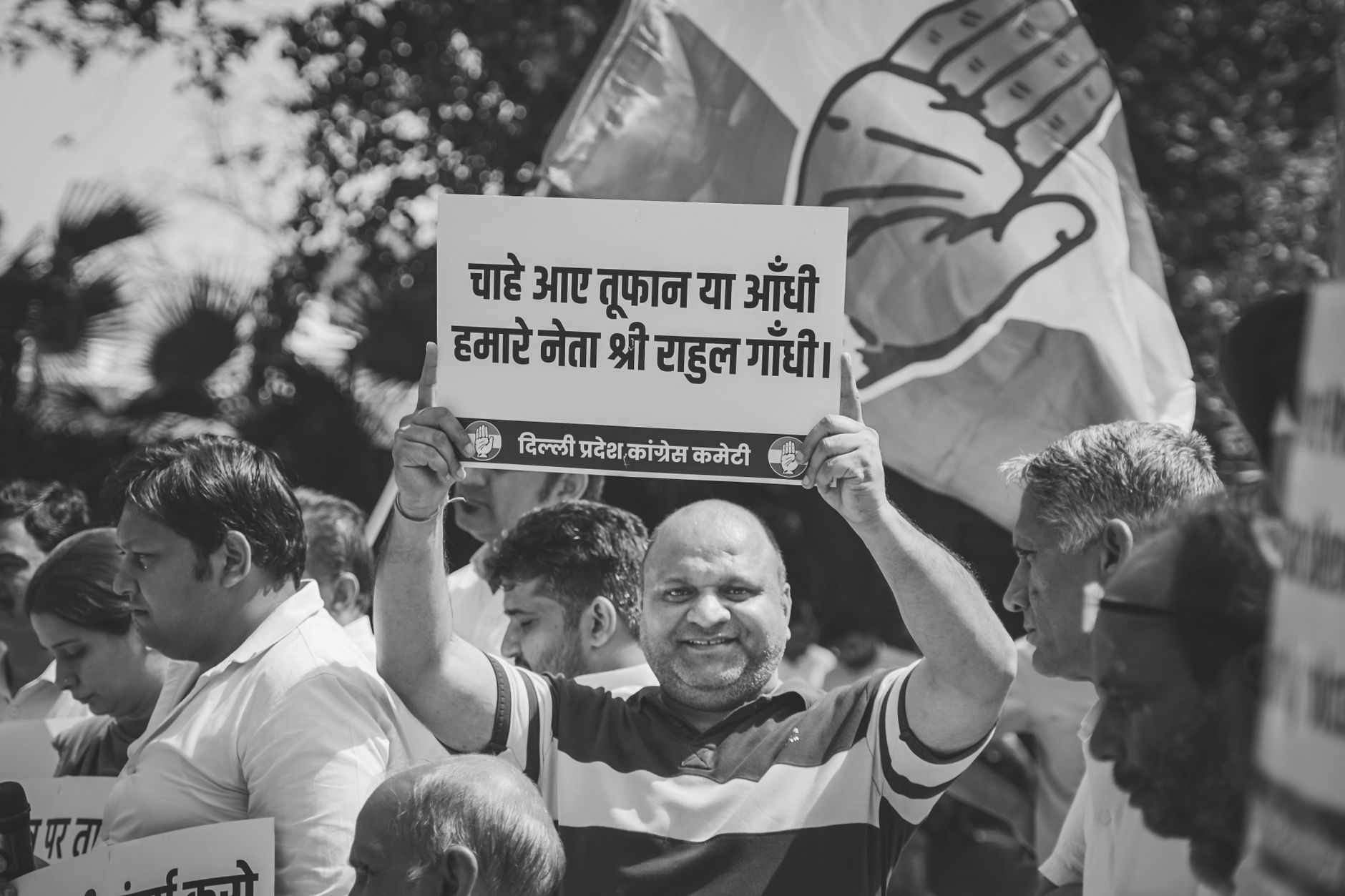
Rifts Emerge in Political Protest Theatre at Jantar Mantar
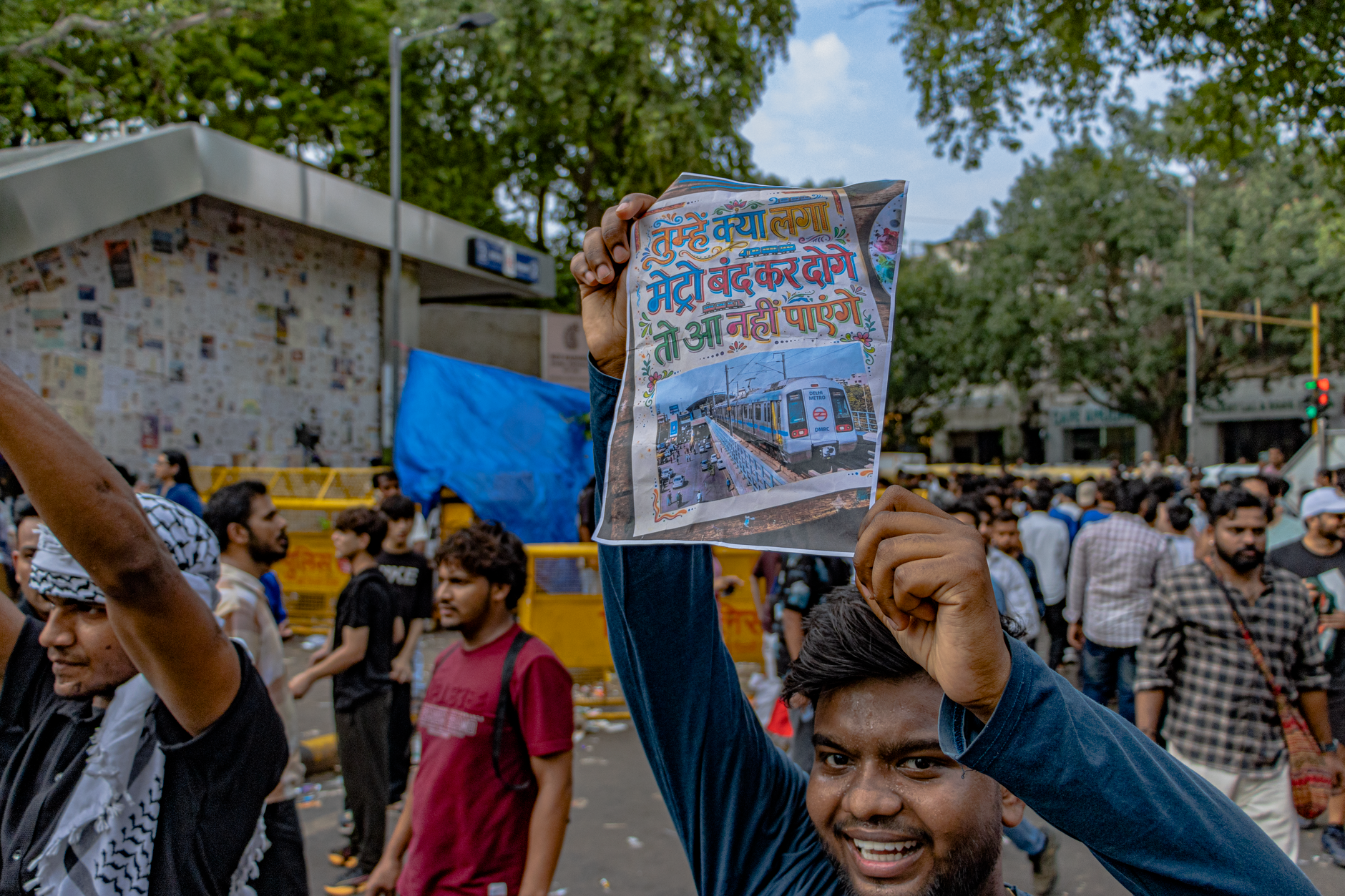
The air at Jantar Mantar has been thick with dissent, as the Cockroach Janata Party (CJP), Congress, and Left groups clashed over the direction and ownership of protest politics. At the heart of the discord lies Gyanesh Kumar's contentious behaviour, which has become a lightning rod for simmering tensions.
Recent demonstrations have seen the Congress and the Aam Aadmi Party (AAP) caught in a public squabble, each accusing the other of trying to hijack the narrative. Onlookers have been treated to a theatre of political brinkmanship, as leaders from each faction vie for the spotlight. The CJP, not to be outdone, has positioned itself as the true vanguard of dissent, leading the charge against perceived injustices.
For political observers, these rifts are not merely about individual ambitions but reflect a broader struggle for relevance and dominance. The Congress, already embroiled in internal challenges, has found itself squeezed by the assertive AAP and the ideologically steadfast Left. Meanwhile, the Left, wary of being sidelined, has cautiously engaged with the protest, keen to retain its ideological purity while remaining relevant in the changing landscape.
The protests, ostensibly about Kumar's conduct, have evolved into a battleground where political organisations seek to assert their credibility and leadership. The 'credit war' over legal victories and student protest support has only added fuel to the fire, with each party scrambling for the moral high ground.
As the dust settles, it is apparent that these protests have illuminated the fault lines within Indian opposition politics. The stage at Jantar Mantar, rather than uniting forces against a common adversary, has laid bare the competing visions and strategies of India's diverse political tapestry. Whether this cacophony of dissent will coalesce into a coherent movement or remain a patchwork of competing interests is yet to be seen.