Rising Political Momentum for Release of Sikh Prisoners in Punjab
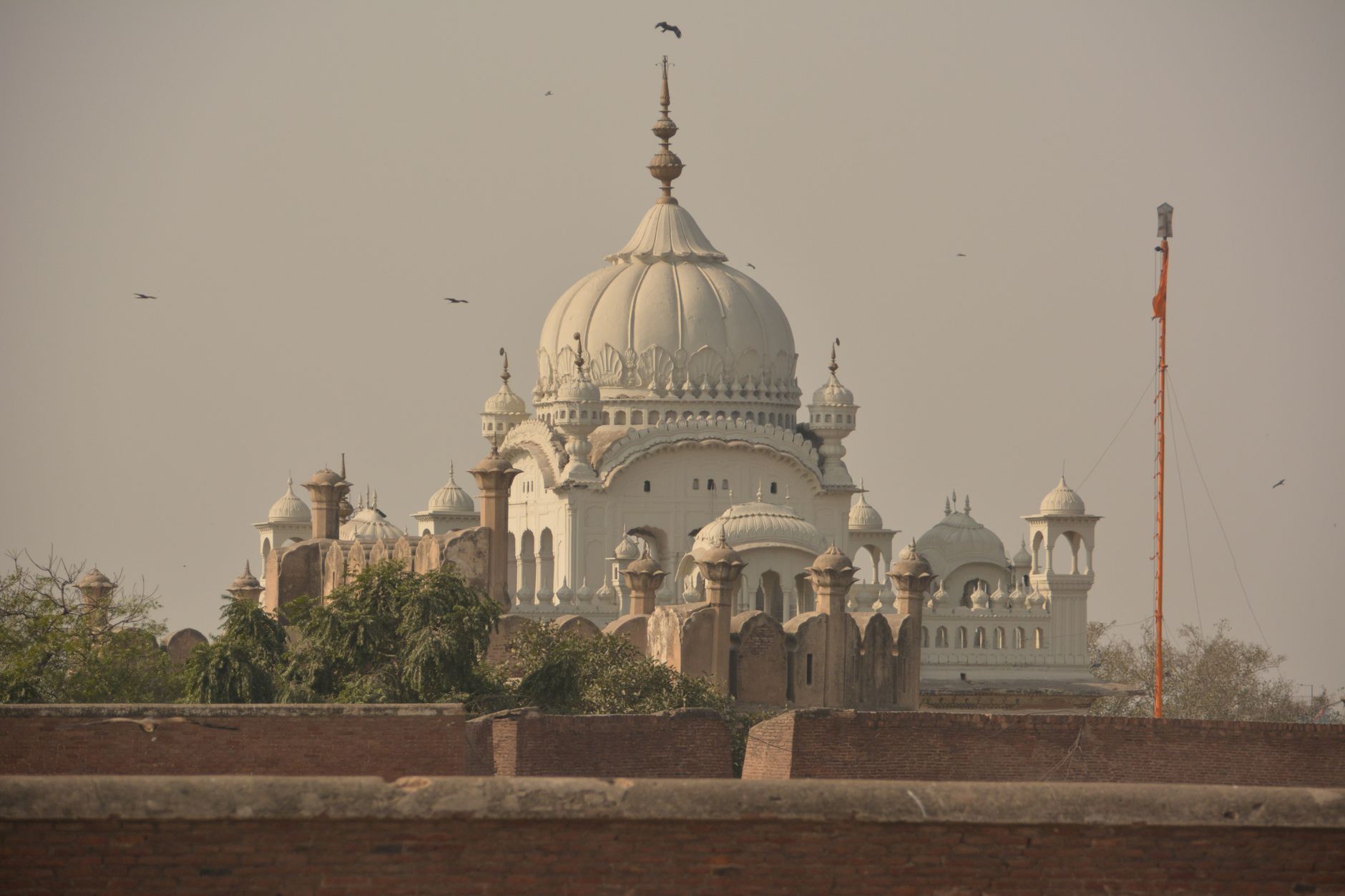
In Punjab, the cry for the release of Sikh prisoners, or 'Bandi Singhs', is reverberating with renewed vigour. Amidst chants of justice and freedom, the streets of Punjab witnessed a shutdown, a 'Punjab Bandh', orchestrated by a coalition of Sikh religious and political organisations. This demonstration reflects a decades-old demand that refuses to fade away.
The origins of this demand trace back to the turbulent 1980s, a period marked by civil unrest and demands for a separate Sikh state known as Khalistan. Over the years, the number of imprisoned individuals has dwindled from a significant 119 to just nine. Yet, for many in Punjab, these remaining prisoners symbolise unresolved grievances and unfulfilled promises.
Today, the issue has become a political hot potato for the Bhagwant Mann-led Aam Aadmi Party (AAP) government. Activists accuse the Chief Minister of 'theatrics', urging him to take concrete steps towards their release. The political landscape in Punjab is thus witnessing a curious mix of religious sentiment and political strategy, as various parties seek to capitalise on this emotive issue.
The Role of Farmer Groups
Interestingly, the movement has garnered support from farmer groups, a development not to be overlooked. These groups, having tasted political success in the recent farmers' protests, are potentially a formidable ally. Their involvement lends weight to the demand, signalling a coalition of interests that could sway political calculations.
The AAP government finds itself in a delicate balancing act, navigating between appeasing local sentiments and adhering to national security concerns. As protests continue, the administration's response—or lack thereof—will likely shape its political fortunes in the forthcoming elections.
A Complex Web of Sentiments
The call for the release of 'Bandi Singhs' is not merely a legal or political issue; it is deeply intertwined with identity and historical memory. For many Sikhs, these prisoners are seen as symbols of resistance and resilience against perceived injustices.
Whether these demands will translate into tangible action remains an open question. What is certain, however, is that the issue is galvanising public opinion in Punjab, pushing it to the forefront of political discourse. The coming months will reveal whether this groundswell of support will lead to meaningful change or remain a rallying cry for future generations.