Rising Temperatures Heighten Risks for Pregnant Women and Newborns
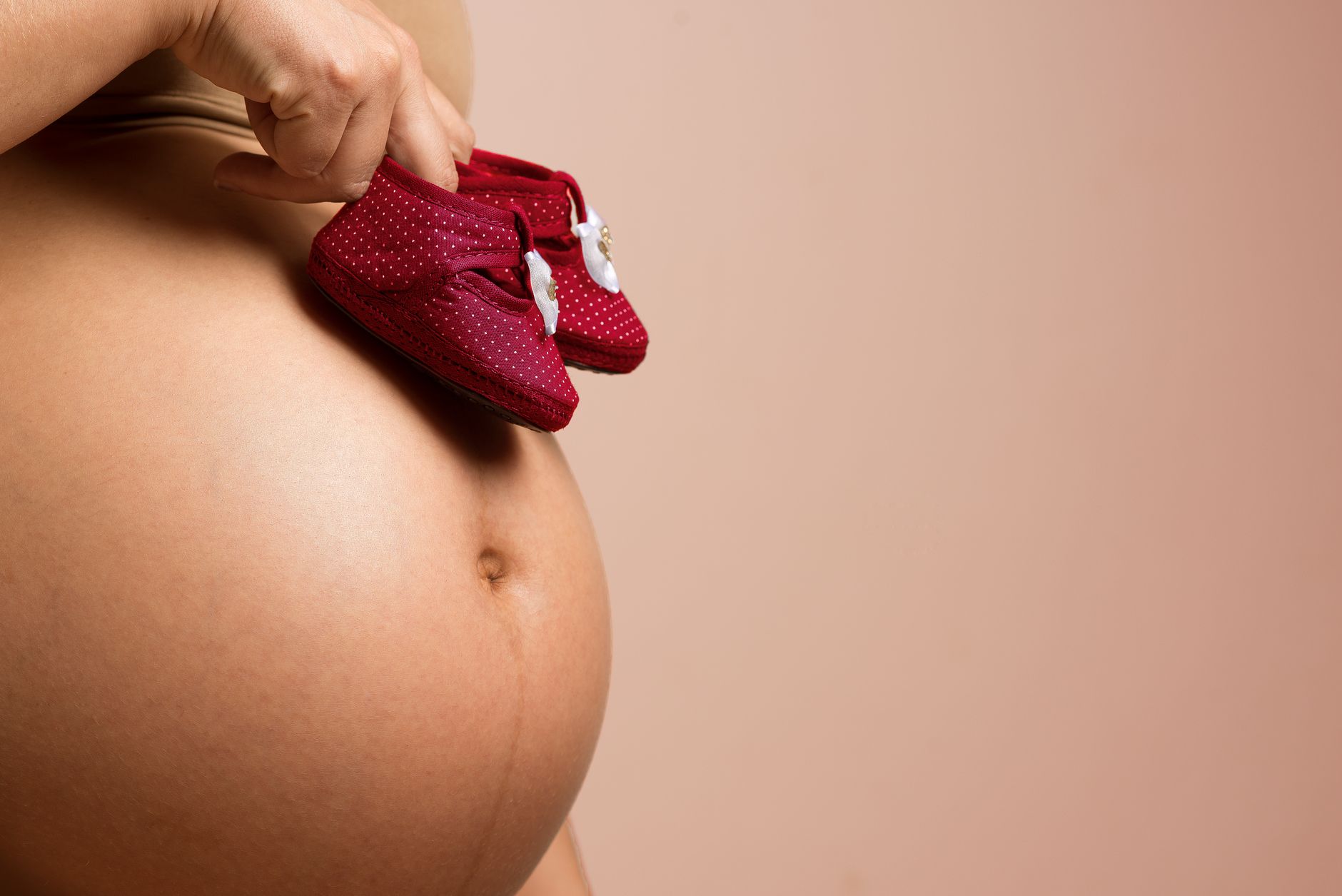
As the mercury rises, so too does concern for pregnant women and their newborns, who are increasingly experiencing health complications related to extreme heat. An international survey has revealed that nearly three-quarters of maternal healthcare professionals across five countries have witnessed a surge in heat-related cases over the past five years.
The implications are dire. Rising temperatures, a consequence of climate change, are not only uncomfortable but potentially dangerous for pregnant individuals. Heat stress can lead to dehydration, preterm birth, and other serious health issues for both the mother and the child, making it a pressing public health concern.
Global Warnings and Local Impacts
Climate experts are sounding the alarm. The United Nations climate chief, Simon Stiell, highlighted these concerns in a recent address ahead of the COP31 summit. He stressed the necessity of recognising pregnant women as a heat-vulnerable population, necessitating both clinical and systemic interventions.
In regions already grappling with high temperatures, the situation is particularly acute. Countries like India and parts of Africa are experiencing some of the most severe impacts, with healthcare systems struggling to cope with the increased demand for maternity care linked to heat stress.
Addressing the Challenge
To mitigate these risks, experts suggest a multi-faceted approach. This includes improving access to cooling solutions in healthcare facilities, educating pregnant women on the dangers of heat exposure, and integrating climate resilience into public health strategies.
As the world warms, the need for action becomes more urgent. Protecting pregnant women and their newborns from the perils of extreme heat is not just a matter of immediate health, but a question of long-term societal resilience. The solutions must be as comprehensive as the challenges are complex, ensuring that no mother or child is left vulnerable to the heat.