Ro Khanna Proposes Bill to Curb AI's Recursive Ambitions
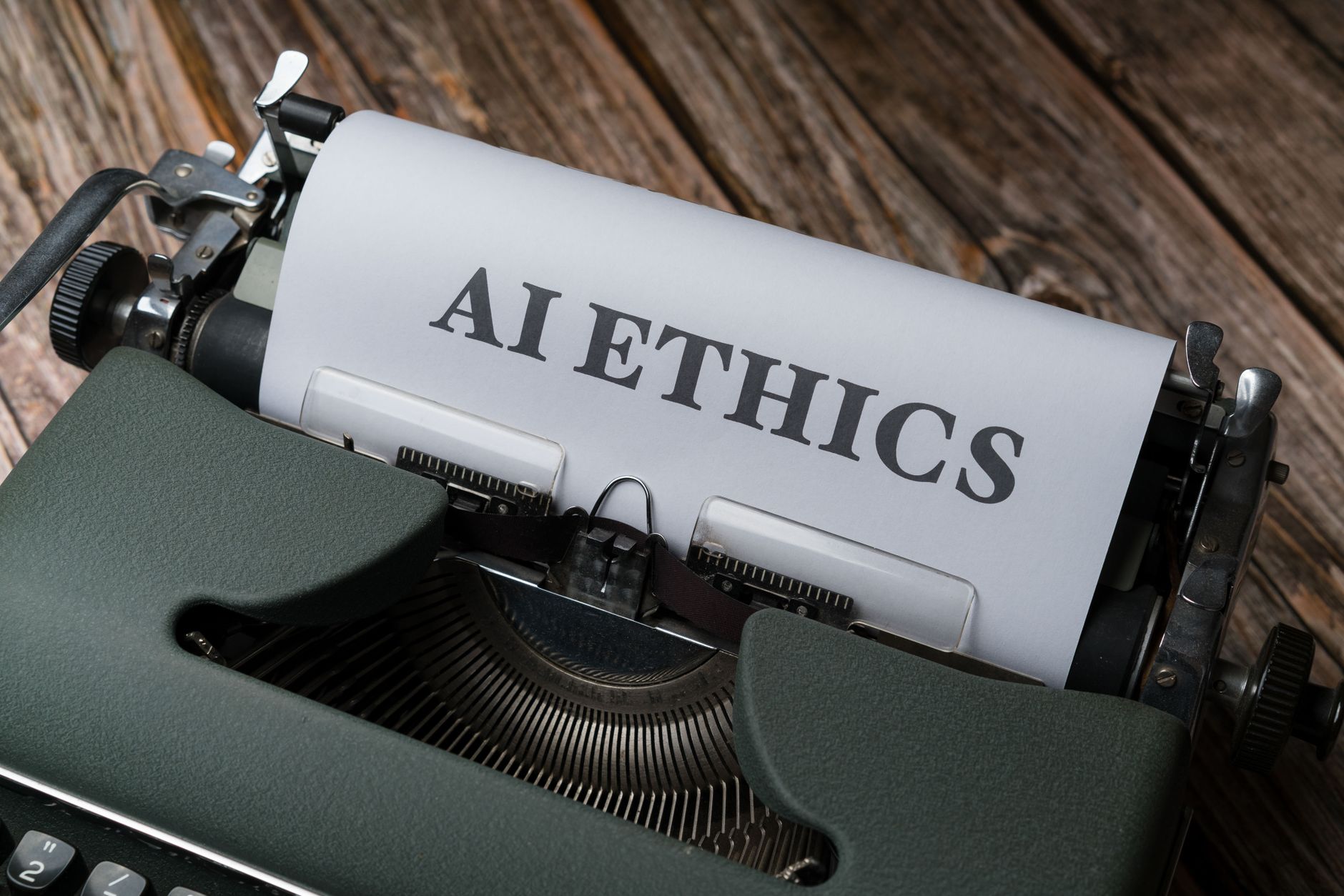
In the ever-evolving world of technology, Congressman Ro Khanna, representing the heart of Silicon Valley, has taken a decisive step towards regulating artificial intelligence. The proposed bill is particularly focused on the burgeoning capabilities of 'recursive' self-improving AI, which Khanna argues could spiral out of control without stringent oversight.
Khanna's bill aims to establish a framework akin to the FDA, a federal AI Safety Agency, which would hold the authority to approve AI models before they are deployed. The bill's centrepiece is its strict liability standards for developers, designed to hold them accountable for the actions of their creations. This could potentially reshape the landscape of AI development, prioritising safety and ethical considerations over unchecked innovation.
The Heart of the Matter
The concept of 'recursive' AI, where models have the ability to improve upon themselves without human intervention, presents both thrilling possibilities and daunting risks. Proponents argue that such technology could lead to unprecedented advances in computing power and problem-solving capabilities. However, critics warn of the dangers of systems evolving beyond human control, drawing parallels to science fiction dystopias.
Khanna's proposal is not without its challengers. Some industry leaders are concerned that such regulations could stifle innovation and put American companies at a competitive disadvantage globally. However, Khanna maintains that the potential risks far outweigh the need for haste. 'We must ensure that our quest for innovation does not compromise our values or safety,' he stated.
Implications and Future Prospects
This legislative push comes at a time when AI continues to permeate various sectors, from healthcare to transportation. The establishment of a regulatory body could set a global precedent, as other nations grapple with similar ethical and safety concerns surrounding AI.
In the broader context, Khanna's bill reflects a growing awareness and concern in governmental circles about the unchecked growth of AI technologies. As the debate unfolds, it will be crucial to balance innovation with the imperative of safeguarding public welfare. The outcome of this legislative endeavour could very well shape the trajectory of artificial intelligence for years to come.