Saharanpur Mosque Demolition Sparks Political Uproar in Uttar Pradesh
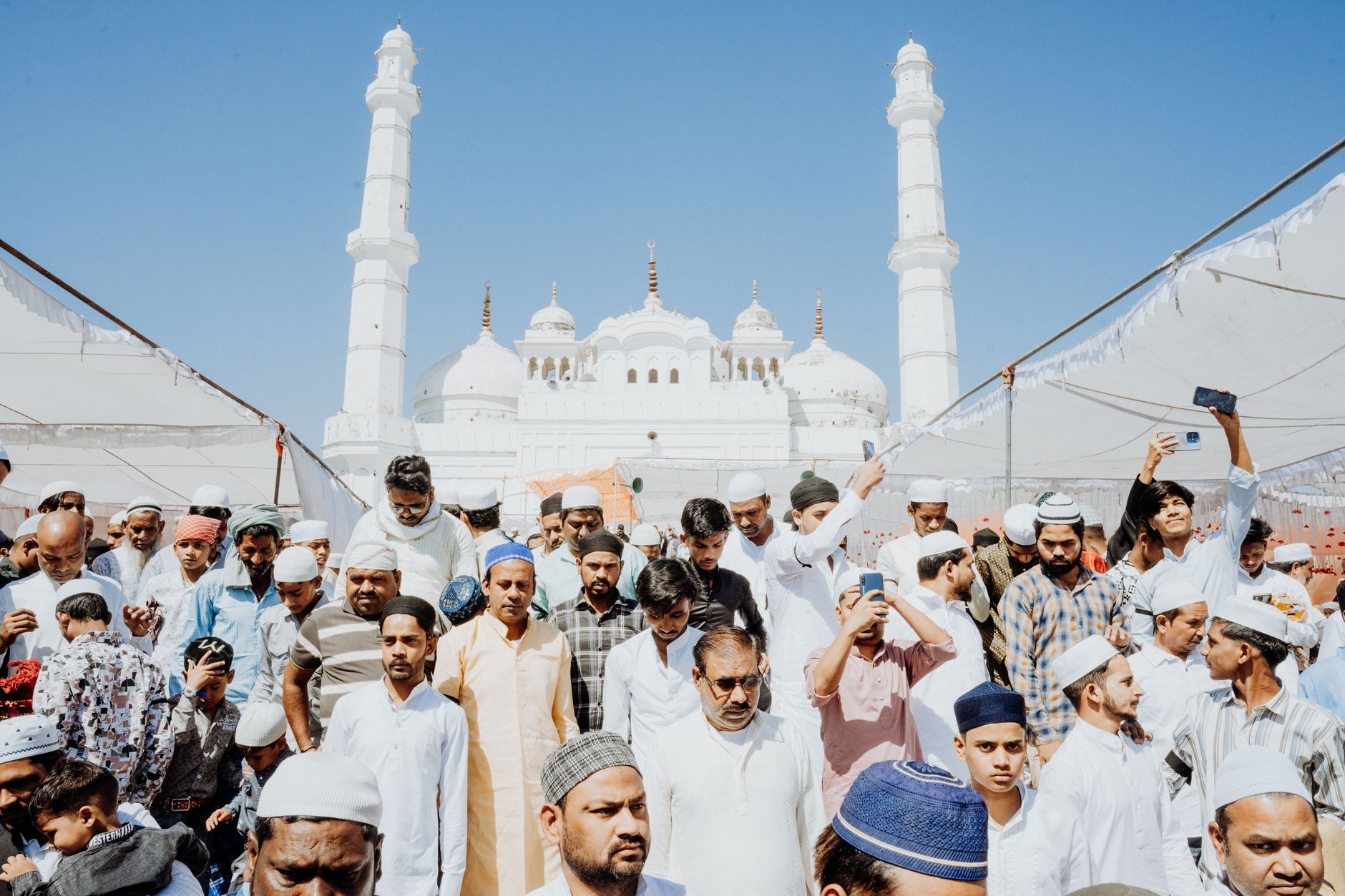
The sound of demolition echoed through the streets of Saharanpur, not just as the tearing down of bricks and mortar but as a clarion call for political debate in Uttar Pradesh. The old mosque, situated at the Saharanpur Collectorate, was reduced to rubble in an operation that has quickly become a flashpoint of controversy.
The ruling Bharatiya Janata Party (BJP) insists that the demolition was executed in accordance with the law, following a City Magistrate’s order. The directive had been upheld after an appeal by the mosque committee was rejected by the courts. However, this legal rationale has done little to quell the uproar from opposition parties.
Political Backlash
Opposition leaders, including Mayawati, Akhilesh Yadav, and Asaduddin Owaisi, have vociferously questioned the action. They argue that the demolition lacked transparency and due process, suggesting that it was a politically motivated move. "This is not about law; it's about politics," remarked Akhilesh Yadav, the leader of the Samajwadi Party, highlighting the perceived agenda behind the timing.
Adding fuel to the fire, critics have pointed out that the demolition could have been delayed to allow further legal recourse. Owaisi, a prominent voice in the All India Majlis-e-Ittehad-ul-Muslimeen, has called for an immediate investigation, accusing the state government of targeting minority communities under the guise of legal orders.
Legal Justifications Amidst Controversy
The BJP, however, remains firm on its stance. “This was a court-mandated action, and the law must take its course,” stated DIG Abhishek Singh. Yet, the timing and the manner of the demolition continue to cast a long shadow over the party’s legal justification. In a region already fraught with communal tensions, such episodes only serve to deepen divides.
While the legal battle over the mosque's land rights may have concluded in the courts, the political ramifications are far from over. The incident underscores a broader narrative of distrust and division that pervades the political landscape of Uttar Pradesh, where every action is scrutinised through a complex lens of legality, politics, and community sentiment.
As the dust settles over Saharanpur, the echoes of this demolition might reverberate much longer in the political corridors of the state.