
Satellite Data Reveals Pollution Hotspots in Madhya Pradesh
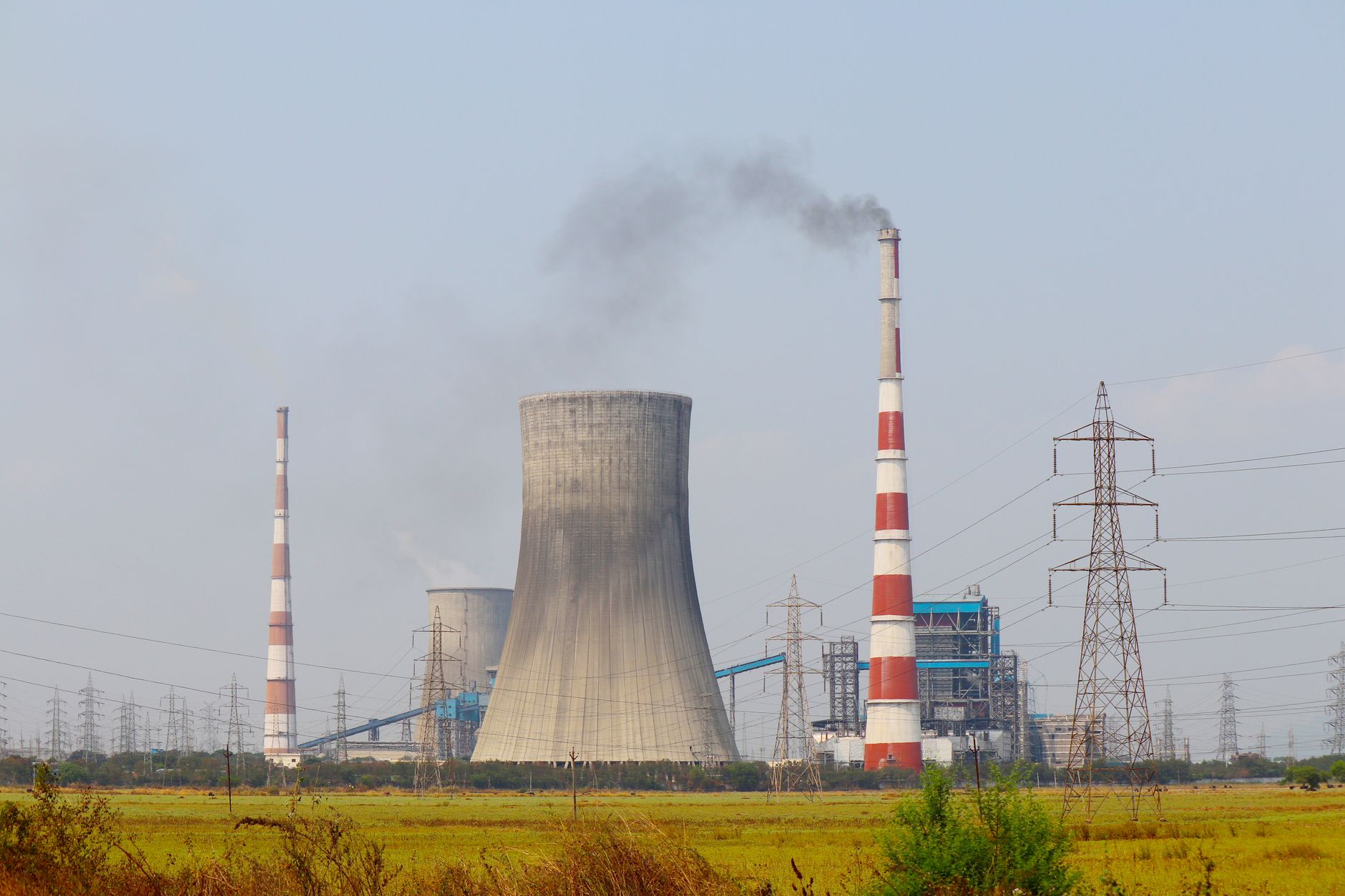
The heart of India, Madhya Pradesh, is now grappling with an environmental dilemma. Recent satellite data has highlighted four distinct pollution hotspots within the state, sparking concerns over the air quality in a region known for its vibrant biodiversity and cultural heritage.
Among the identified hotspots, Singrauli and Pitampura stand out due to their proximity to major industrial units. These areas, not surprisingly, contribute significantly to the state’s pollution levels, raising alarms about the impact of industrialisation on air quality. The Central Pollution Control Board (CPCB) has only a limited presence in the state, with just four monitoring stations. This is a stark contrast to other industrially prominent states like Tamil Nadu and Gujarat, each having only one CPCB station in their capitals.
Industrial Activity Under Scrutiny
The satellite-based pollution map has brought the operational practices of industries in Madhya Pradesh under the microscope. Local environmentalists argue that lax regulations and insufficient oversight have led to unchecked emissions. This is particularly evident in Singrauli, often dubbed the 'power capital of India', due to its numerous power plants.
Meanwhile, Pitampura's inclusion in the list of hotspots suggests that smaller, less scrutinised industrial clusters are also contributing to the problem. This revelation has prompted calls for a comprehensive review of the state’s environmental policies and regulatory frameworks.
A Wider Implication
The implications of these findings are not confined to Madhya Pradesh alone. They echo a broader issue facing India, where rapid industrialisation often overlooks environmental considerations. With global attention increasingly focused on climate change and sustainable development, these pollution hotspots serve as a stark reminder of the environmental costs of unchecked industrial growth.
Addressing this issue will require a concerted effort from both the government and private sector. Stricter enforcement of environmental regulations, investment in cleaner technologies, and an expansion of the CPCB’s monitoring capabilities are crucial steps forward. As the state navigates these challenges, the need for sustainable development strategies becomes ever more pressing.


