Satirical Party Faces Politics' Serious Side as Protests Gain Momentum

In the theatrical world of Indian politics, the Cockroach Janta Party (CJP) has emerged as an unexpected protagonist. Launched online by political strategist Abhijeet Dipke, the CJP initially appeared as a satirical jab at the establishment, borrowing its name from a controversial remark by the Chief Justice of India. But it has since taken on a life of its own, galvanising young Indians who are disenchanted with traditional political narratives.
Despite the buzz surrounding its recent protests, which saw participants clash with police in New Delhi, CJP leaders have made it clear that full-time politics is not on their immediate agenda. Instead, they are focusing on strengthening their grassroots movement, a strategy that reflects a long-term vision rather than a quick dive into the political arena.
A Movement, Not a Party
“Our aim is not to become another political entity but to drive change from the ground up,” Dipke told NDTV, stressing the importance of maintaining their independence from the traditional political framework. The CJP's approach is particularly appealing to the youth, who see it as a vehicle for real change without the baggage of established party politics.
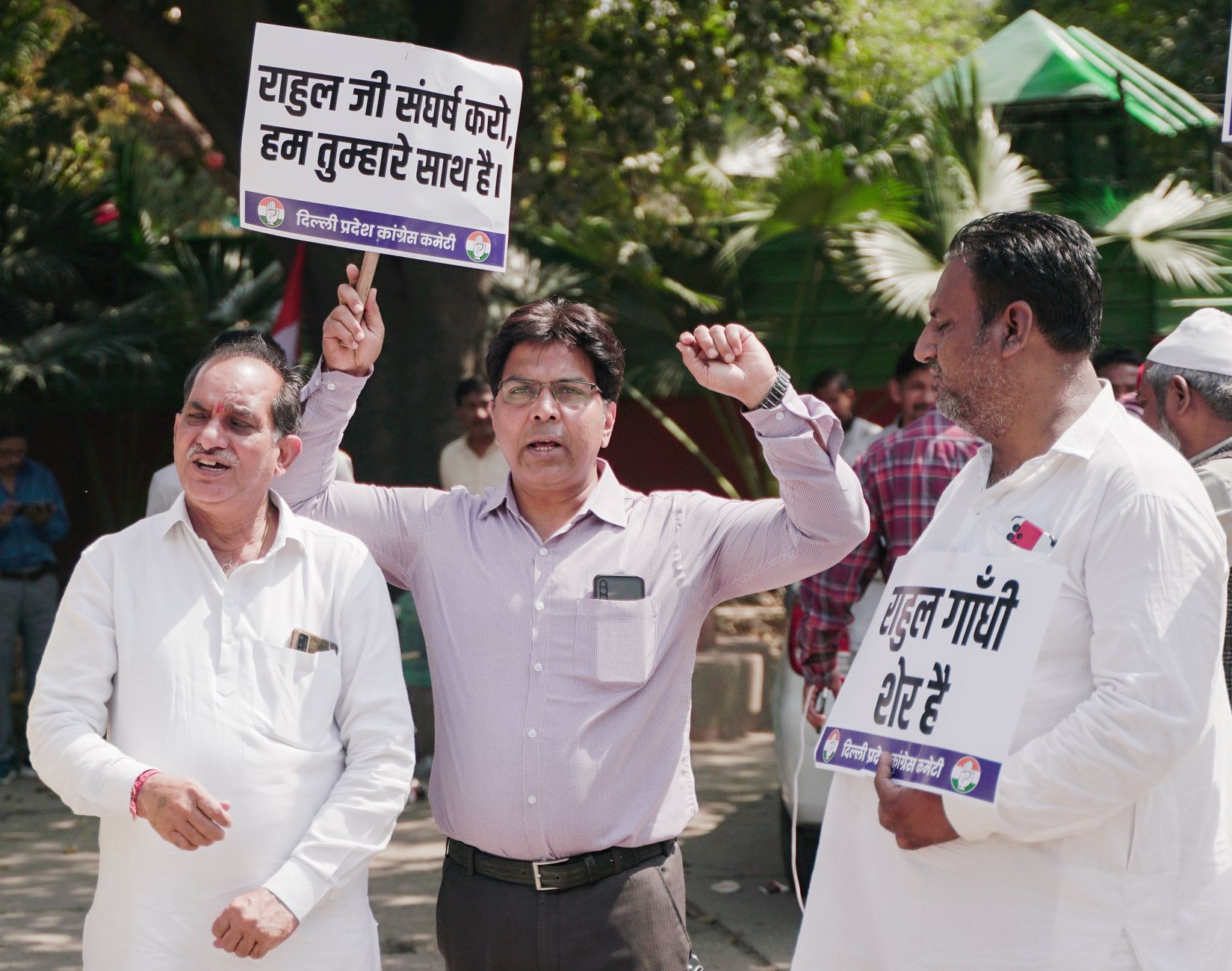
The recent resignation of a prominent government minister, which CJP leaders hailed as a victory for their cause, has emboldened the movement. However, the path forward remains fraught with challenges. This week's demonstrations, aimed at voicing dissent against the National Eligibility cum Entrance Test (NEET), were met with a heavy-handed response from the Delhi Police, who accused protesters of unruly behaviour after they allegedly violated prohibitory orders.
Grassroots Power
Vakil Yadav, a protester who was injured during the police crackdown, remains undeterred. “This is just the beginning. We will continue until all our demands are met,” he said, his voice echoing the sentiments of many young Indians who feel let down by conventional politics.
As the CJP continues to navigate its path, it raises questions about the future of political engagement in India. Can a satirical movement sustain itself and effect lasting change, or will it eventually succumb to the pressures of the political mainstream it critiques? For now, the CJP remains a symbol of youthful defiance, a reminder that sometimes it takes a bit of satire to stir serious conversation.