Satluj: A Cinematic Battleground of Politics and Memory
The Punjabi film 'Satluj', a project that promised to be a cinematic exploration of regional history, has instead become a flashpoint in India's ongoing discourse on censorship and political influence in art. Directed by the controversial filmmaker Gurvinder Singh and featuring popular actor Diljit Dosanjh, the film's turbulent journey from production to premiere has been nothing short of a political saga.
Union Minister of State for Railways, Ravneet Singh Bittu, has been vocal in his criticism of 'Satluj'. He accuses the filmmakers of distorting history under the guise of artistic freedom. Bittu's remarks have stirred a hornet's nest, especially with the Punjab Assembly elections looming on the horizon. The timing of the film's release and subsequent removal from the Zee5 platform has only fueled suspicions of political manoeuvring.
Filmmaker Gurvinder Singh, who describes his experience as 'dystopian', sees this as a clear-cut case of 'undemocratic censorship'. He argues that the Modi government's alleged interference is reshaping India's cinematic landscape, where political narratives overshadow creative expression.
The Historical Context
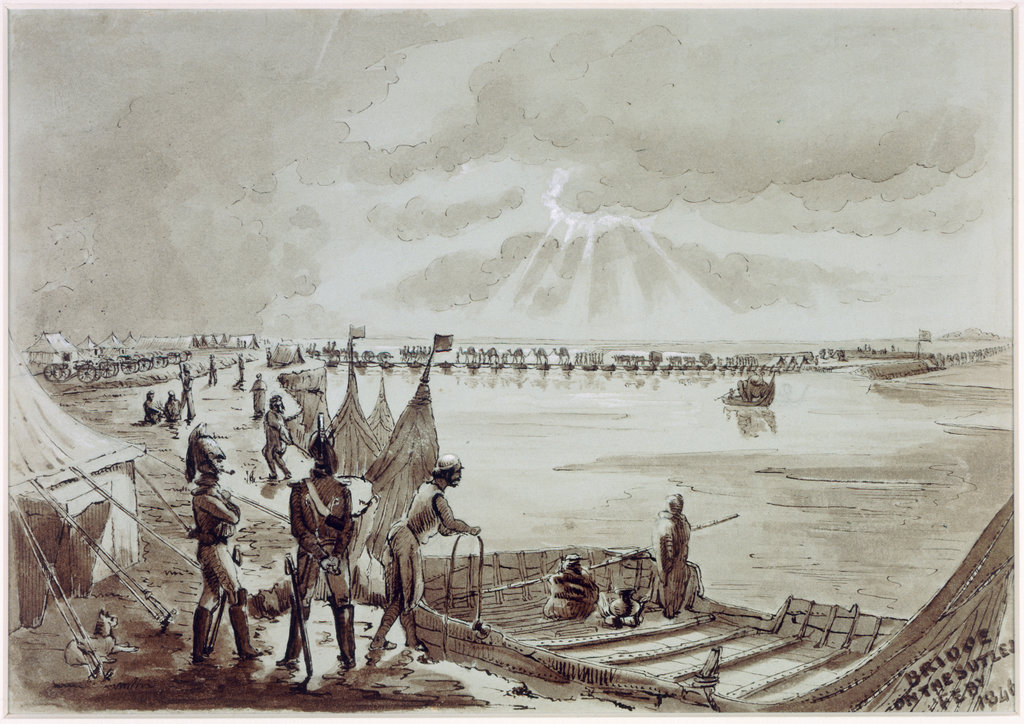
The film 'Satluj' attempts to delve into sensitive historical events tied to the Punjab region. It has drawn ire for presenting certain disputed claims as factual. This approach has sparked a wider debate on how history should be portrayed in cinema and who gets to decide what is acceptable.
Supporters of the film argue that cinema should be a space for exploration and discussion, not a battleground for political agendas. However, detractors claim that filmmakers have a responsibility to handle historical subjects with care and accuracy.
Memory, Politics, and Cinema
'Satluj' has inadvertently become a symbol of the struggle between memory and politics in modern India. The debate reflects broader concerns about freedom of expression and the role of government in regulating art. As the row continues, it raises fundamental questions about the balance between creative liberty and historical integrity.
As Punjab prepares for its assembly elections, the controversy over 'Satluj' is unlikely to die down soon. It serves as a reminder of how intertwined art and politics have become, with each vying for dominance in the narrative of national identity.