School Inspections Stir Controversy Amid RSS Criticism
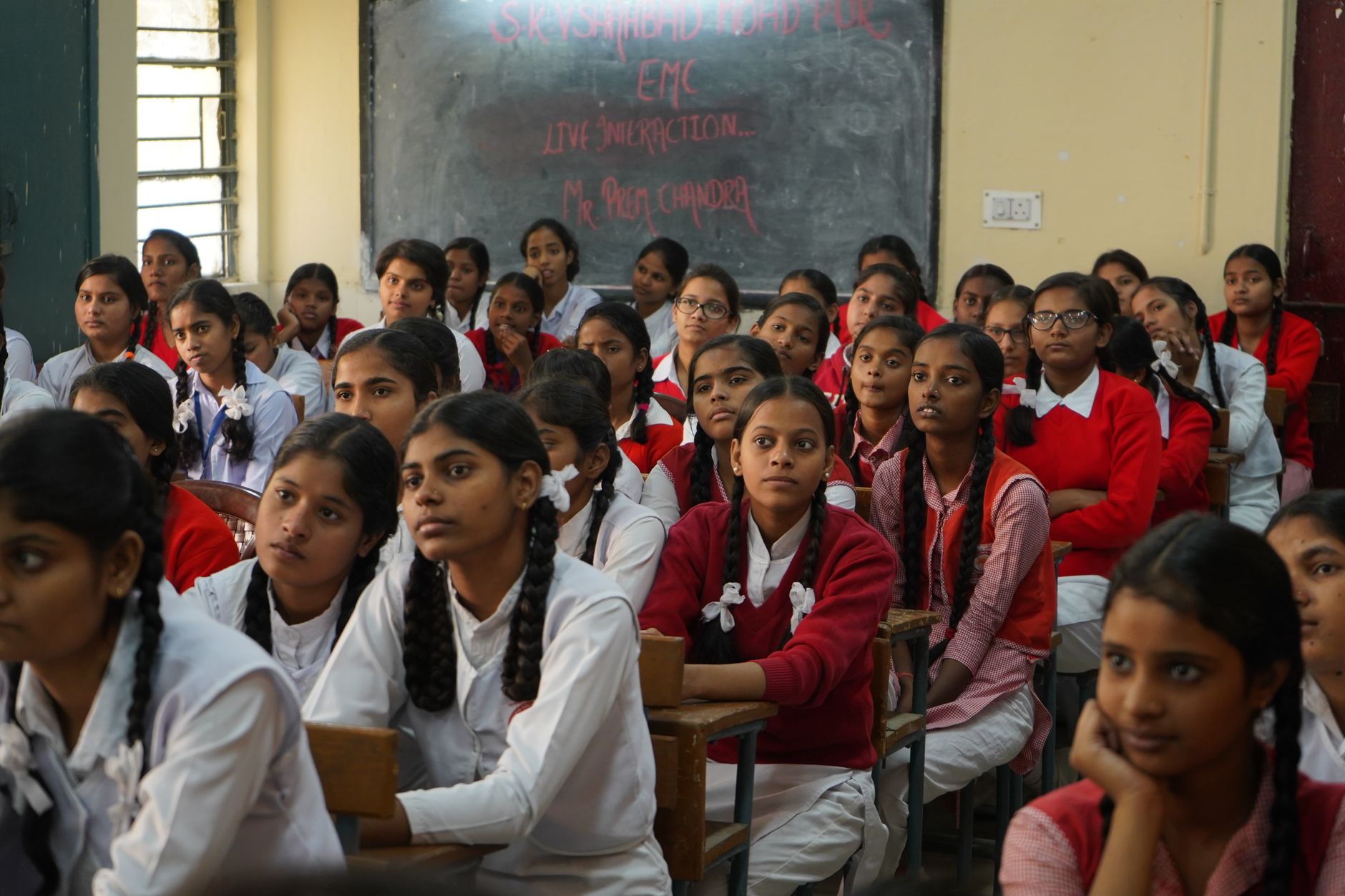
The sight of volunteers inspecting schools might initially seem a benign exercise, yet the recent wave of school visits by the Campaign for Judicial Protection (CJP) has ignited a fervent debate. An affiliate of the Rashtriya Swayamsevak Sangh (RSS) has decried these visits as 'political interference', a charge that has added layers of complexity to an already charged atmosphere.
Since mid-August, the CJP has mobilised between 1,200 and 1,500 volunteers to conduct inspections across the country. Their findings have been stark, revealing substantial infrastructural and staffing inadequacies that communities demand be addressed. In Rajasthan alone, government sources have admitted that over 600 schools lack buildings altogether, while more than 2,000 do not have basic toilet facilities.
This revelation, far from quieting dissent, has only stirred the pot further. Critics, particularly from the RSS-affiliated group, argue that the inspections are less about educational welfare and more about leveraging political clout. They accuse CJP of inciting unrest among the student body, a claim that has found traction amidst ongoing student protests.
Delhi University has called for calm, warning that vested interests might exploit student fears. Meanwhile, IIT Roorkee’s advisory to its students underscores the tensions simmering beneath the surface. The political undertones of these inspections cannot be ignored, especially as they coincide with a period of heightened political activity and upcoming elections.
While the CJP maintains its stance on improving educational infrastructure, the broader narrative suggests a clash between civic activism and political ideology. The question remains whether these inspections will lead to meaningful improvements or become another chapter in the saga of political skirmishes over education in India.