Schools Advised to Halt Sports Amidst Poor Air Quality in North India
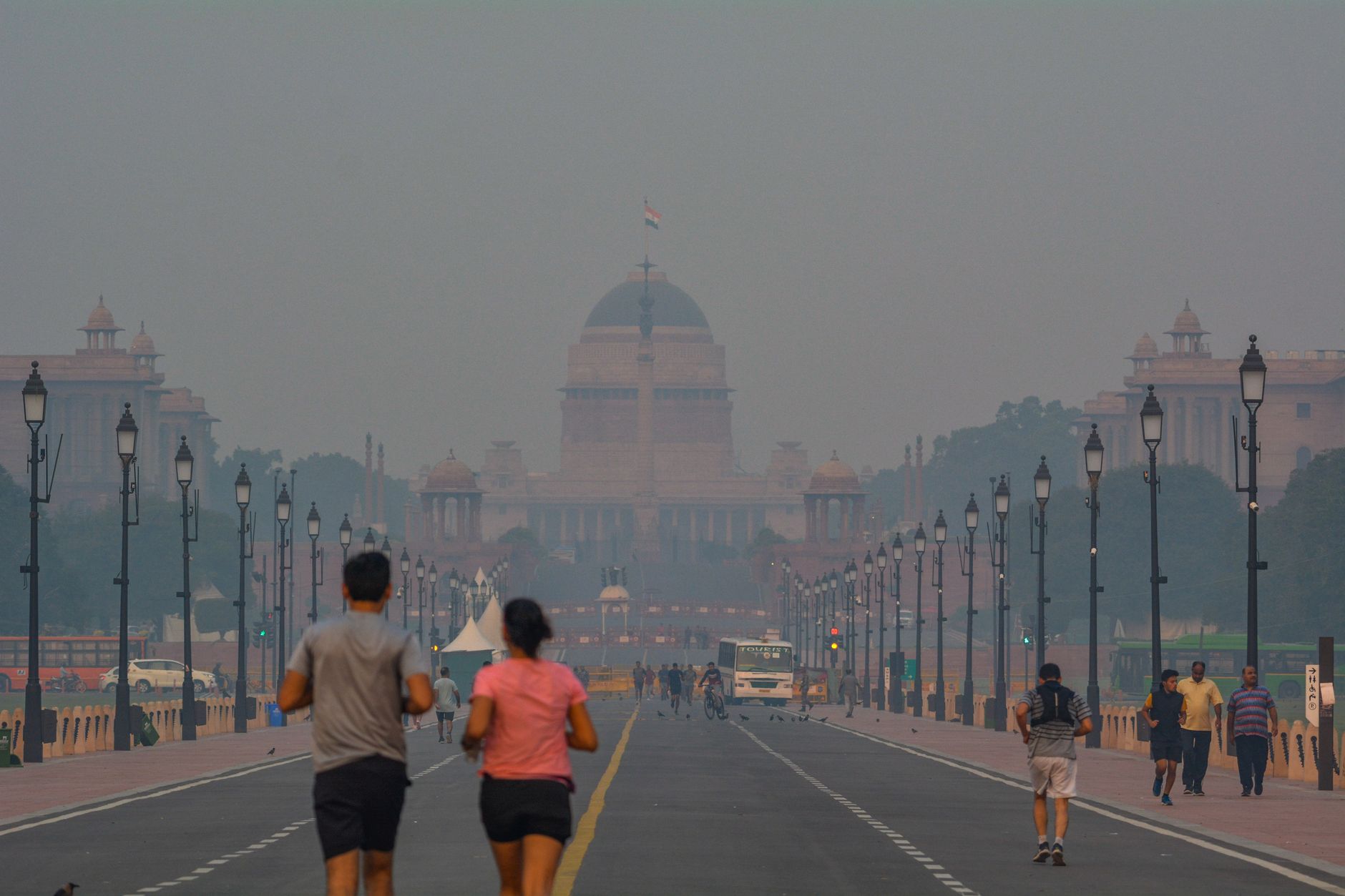
As the smog blankets the skies of northern India, a new directive has emerged from the Commission for Air Quality Management (CAQM), urging educational institutions to put a pause on outdoor sports activities. This advisory, targeting schools in Delhi, Haryana, Rajasthan, and Uttar Pradesh, prioritises the health of children amidst the rising air pollution levels.
The CAQM's recommendation comes at a time when the air quality index in these regions often hovers in the 'severe' category, a stark reminder of the environmental plight that has become an annual ordeal. The haze, largely attributed to vehicular emissions, construction dust, and agricultural stubble burning, poses significant health risks, particularly to the young.
A Necessary Precaution
While the prospect of curtailing physical activities might seem drastic, the decision underscores a pressing reality. The air quality during the winter months in these areas is notorious for reaching hazardous levels, capable of exacerbating respiratory issues and other health concerns in children.
"It is a difficult but necessary measure," said a spokesperson from the CAQM. "Our primary concern is the well-being of students who are particularly vulnerable to the adverse effects of pollution."
Implications for Schools and Students
This advisory poses a challenge for schools, which must now find alternative ways to engage students. Physical education, a staple of the school curriculum, is crucial for the holistic development of students. However, the health risks associated with exposing children to toxic air make this suspension a prudent step.
Parents and educators alike are urged to focus on indoor activities that promote physical well-being without compromising health. Yoga sessions, indoor games, and other creative activities could serve as substitutes, at least until the air clears.
A Broader Environmental Concern
This move by the CAQM also highlights a broader environmental concern that extends beyond the immediate health implications. It reflects the ongoing struggle to balance developmental activities with environmental sustainability. Despite numerous initiatives aimed at curbing pollution, the air quality in northern India remains a persistent challenge.
As the region braces itself for another season of poor air quality, the call to halt outdoor activities serves as a sobering reminder of the urgent need for effective environmental policies. Until then, protecting the health of the younger generation remains a priority.