
Scientific Breakthrough: Human Brain Cells Thrive in Mice
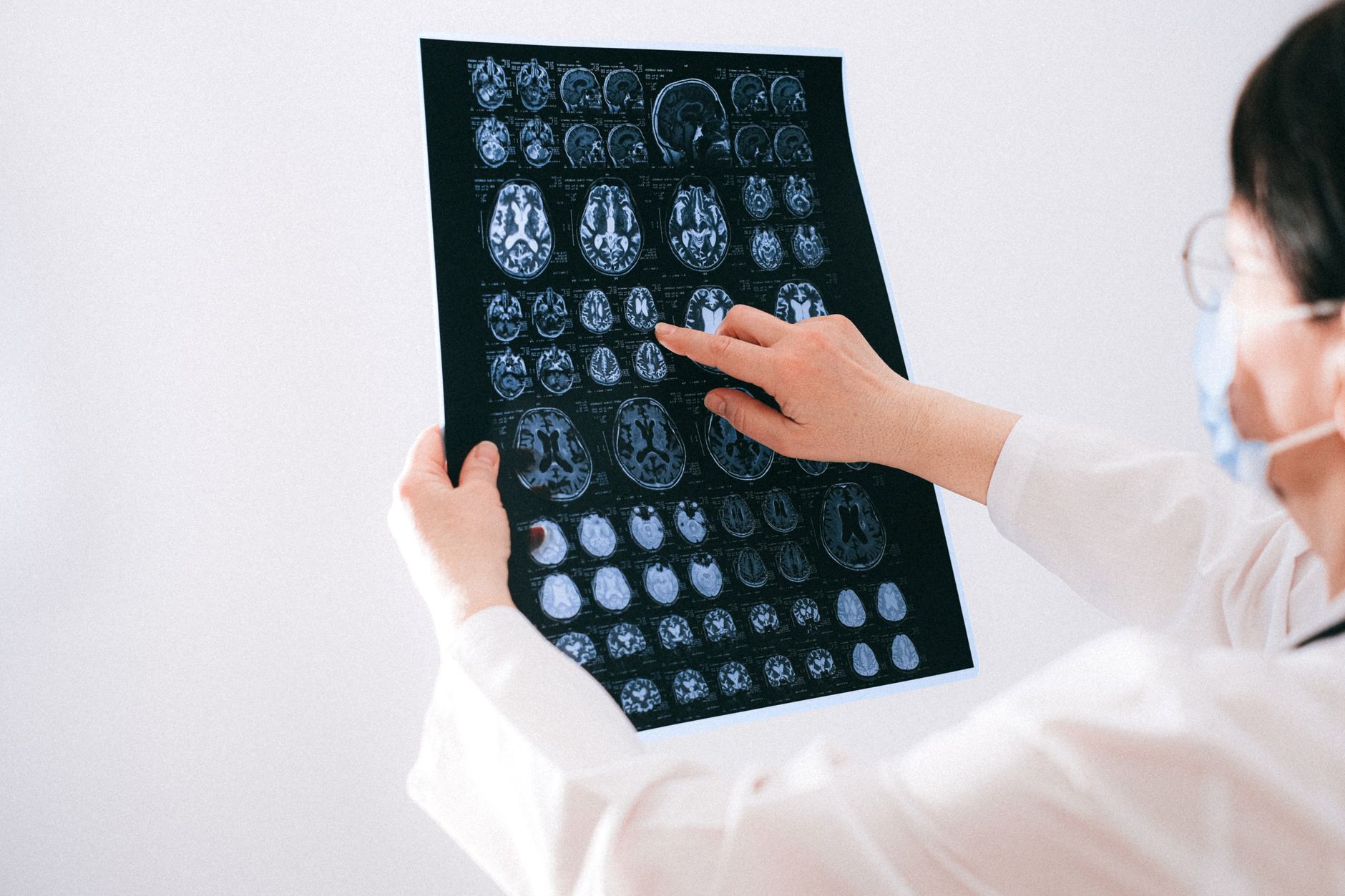
In a remarkable stride for neuroscience, scientists at Stanford University have managed to grow human brain cells within the brains of mice, offering an extraordinary window into the complexities of our own neural processes. This pioneering research, recently published, involved the transplantation of lab-grown human brain tissue into mice genetically engineered to lack certain critical brain structures, such as the cortex and hippocampus.
The absence of these regions in the mice provided researchers with a unique opportunity: the space created allowed human tissue to thrive, integrating itself into the rodent’s neural framework. By doing so, the human cells were able to extend nerve fibres within the mouse brain, a feat that could not only shed light on the intricate workings of human neurons but also provide a model for studying brain disorders.
The Implications for Neurological Research
While at first glance, the idea of a part-human, part-mouse brain might evoke images from science fiction, the reality is a significant leap forward in medical research. The hybrid brains enable scientists to observe the development and interaction of human neurons in a living organism. This could be instrumental in understanding diseases like Alzheimer's, schizophrenia, and autism, where the cellular mechanisms remain elusive.
By analysing how these neurons behave and connect, researchers hope to unravel the cellular miscommunications that underpin many neurological disorders. The approach could eventually lead to breakthroughs in treatments, offering hope to millions affected by these conditions worldwide.
Ethical Considerations and Future Prospects
Such advancements, however, do not come without ethical considerations. The blending of human and animal biology raises questions about the extent of genetic manipulation and its implications. Researchers are aware of these concerns and emphasise that the work is conducted under strict ethical guidelines.
As the scientific community continues to explore these hybrid models, the potential for new therapies and understanding of the human brain grows. This research not only pushes the boundaries of what is scientifically possible but also challenges us to consider the moral dimensions of these innovations.


